
Sports
Chelsea: No shots, no tackles for 30 minutes, out-run in 34 consecutive matches
Chelsea faces another defeat, losing 3-0 to Brighton, with no shots for 30 minutes.
Sky Sports1 min read
The Seattle Seahawks are set to select safety Emmanuel McNeil-Warren from Toledo in the 2026 NFL Draft. This follows their recent Super Bowl victory, marking their second championship win in franchise history.
INDIANAPOLIS, INDIANA - FEBRUARY 26: Emmanuel McNeil-Warren of Toledo poses for a portrait during the 2026 NFL Scouting Combine at Lucas Oil Stadium on February 26, 2026 in Indianapolis, Indiana. (Photo by Logan Bowles/Getty Images) | Getty Images
The Seattle Seahawks enter the 2026 NFL Draft coming off a Super Bowl victory, their second in franchise history. Their previous ultimate victory, which most probably do remember, was a blowout win over the Denver Broncos in 2014, or Super Bowl XLVIII, 43-8. While the newest win will settle the hearts and minds of Seattle fans for a while, at least until September, there are other things happening within the NFL offseason that require a team’s attention.
Under normal circumstances, teams enter the NFL Draft with an eye focused on the immediate future. Thirty-one teams, in fact, come into the draft with the intention of making a Super Bowl run, themselves. That one lucky team coming off a win in February doesn’t have the luxury of resting, necessarily, but they do have the luxury of some of that pressure to win entering a relaxation period. The burdens levied upon their backs to reach the apex of the sport are lifted. For now.
That said, the 2026 Seahawks come into the draft in a perhaps somewhat rare position. They are returning the vast majority of their championship squad for the next season. As we will see, a lot of personnel is due to come off their books in 2027, which positions this draft for Seattle as a rather important one looking into the short-term future. There are only so many opportunities to replenish the stockpile. While Seattle wasn’t required to do that during the most immediate free agency period, the future of their team, with its empty pages of payroll, beckons.
The Seattle Seahawks selected safety Emmanuel McNeil-Warren from Toledo.
The Seattle Seahawks recently won their second Super Bowl, following a victory over the Denver Broncos.
Before their 2026 victory, the Seattle Seahawks last won the Super Bowl in 2014 against the Denver Broncos.
Emmanuel McNeil-Warren plays the safety position.
Chelsea faces another defeat, losing 3-0 to Brighton, with no shots for 30 minutes.
Dolphins' new regime to showcase strategy in 2026 NFL Draft.
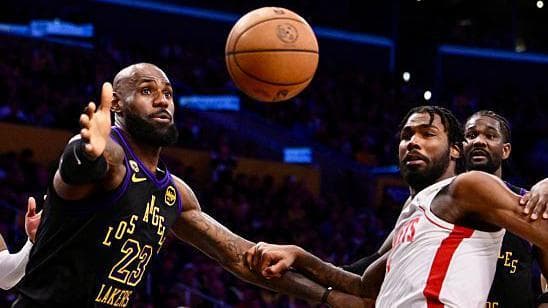
LeBron James leads Lakers to victory while Wembanyama suffers concussion
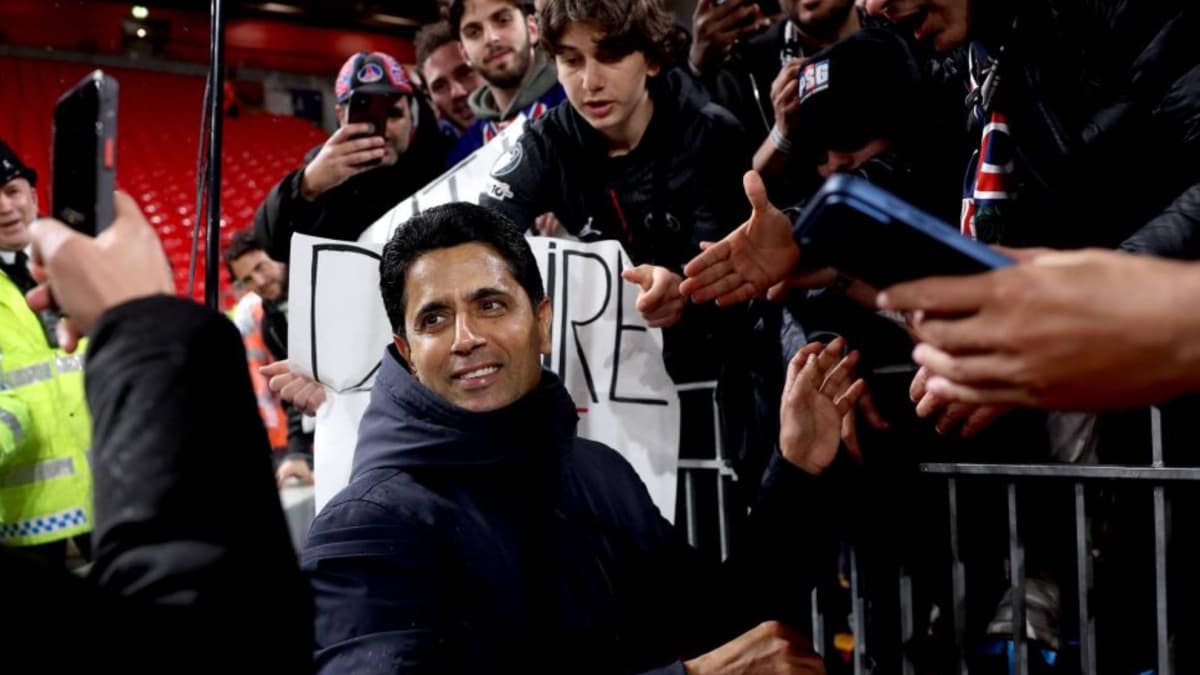
Hoy, Nasser Al-Khelaifi cumple 800 partidos al frente del PSG desde 2011.
Saints hope to draft Ohio State star Carnell Tate for Tyler Shough
Alec Ingold discusses his transition to the Chargers for 2026 after leaving the Dolphins.
See every story in Sports — including breaking news and analysis.
The most notable concern for Seattle might be a simple lack of draft picks, in total. They have only four picks, one each in rounds one, two, three, and then six. Those picks are numbered 32, 64, 96, and 188, respectively. So few selections will, on its face, hamper Seattle’s ability to plan around their roster needs coming into the not-too-distant future. One might expect, then, that Seattle will have to find alternatives. Those alternatives may mean trading single picks for multiples, or maybe even trading some of the expiring payroll for picks in return.
Stating the obvious, I’m not Seattle’s General Manager, so thankfully, it isn’t my job. What is my job, at least in this particular instance, is finding someone for Seattle to take at #32 that fits their needs, or better yet, is the best player left in the 2026 NFL Draft. If you’re not interested in learning more about Seattle as a team (or are already familiar), you can skip down to the “prospect pool” or “pick” sections and read more about the specific player(s) involved. If you want to hang in for the duration of this thesis, to better assess the Seahawks’ needs, let’s see how Seattle performed during the 2025 season.
Seattle’s offense in 2025 was, by most every measure, a Top-10 offense. They weren’t necessarily the flashiest or most prolific offense in the league, but they were easily above average and balanced enough to handle most situations. Seattle finished 8th in total yards at the end of the campaign. They were 8th in passing yards and 10th in rushing yards. They scored on 45.9% of their offensive drives, which was 6th-best in the NFL. By comparison, since I know many might be curious, the Eagles were 26th at 35%.
The Seahawks also managed the 3rd-most points in the league, behind only Los Angeles (Rams) and New England, their Super Bowl opponent (with their Charmin-soft schedule). Seattle generally did this with remarkable efficiency, as they were a mediocre 21st in total offensive plays but led the league in points-per-play. What really made their offense pop, though, was complementary football from the defense, as Seattle led the NFL in point differential at +191 through the regular season. Combined with wins in the playoffs, Seattle had a league-best +12.3 average scoring margin, almost +4 better than the next closest team (the Rams and the Patriots). The Seahawks also led the league in total DVOA at 41.2%, with the offense ranking 10th (8.5%) and the defense ranking 1st (-24.2%).
It wasn’t all “rainbows and sunshine” with the offense, however. There are places where Seattle can legitimately improve. One of the big sticking points was the turnover department, as the Seahawks’ twenty-eight (28) offensive turnovers was 2nd in the NFL. That included leading the league in fumbles lost with thirteen (13). The main culprit was, unfortunately, Sam Darnold. While his overall redemption story is captivating, he was beyond sloppy with the ball in 2025. He threw fourteen (14) interceptions and had eleven (11) fumbles, six (6) of which he lost.
Seattle also struggled in a couple other key areas: 3rd-down conversions and in the red zone. They were a rather pedestrian 16th on third downs at 39.6%, and their red zone TD scoring was good enough for 22nd in the NFL. The offense was quite efficient through the air with an EPA per pass of 0.11 (ranking 8th), but they were markedly less efficient on the ground, as their 4.1 yards-per-carry was tied for 24th (by comparison, they were second in net yards-per-attempt and first in yards-per-completion). Seattle’s marginal efficiency, overall, settled in at 15th in terms of Total EPA and EPA per play (0.02). It was mostly pulled down by said inefficient rushing attack that was ranked 29th in EPA per rush (-0.07), somewhat of a surprise given their personnel.
What likely helped Seattle in the passing game was the pass blocking up front. Darnold was sacked a mere twenty-seven (27) times during the season, the 4th-best rate in the league. Compare that to last year when Darnold was sacked forty-eight (48) times, and Minnesota’s offensive line has only gotten worse with sixty (60) sacks allowed this year, second-worst in the NFL. That’s a sack rate improvement for Darnold from 11% to 5%, and aside from the Super Bowl win with his new team, all the more reason to be happy he signed elsewhere. The low sack rate coincided with a low scramble percentage of 2.68% (6th lowest). Not too shocking.
In terms of production on the offensive side, Seattle is getting back the vast majority of their offensive statistical leaders. The aforementioned Darnold is coming back for at least one more season, on the books for another two. Backup Drew Lock barely played, and the rookie (Milroe) didn’t have to suit up once. At running back, Seattle did lose their rushing leader in Kenneth Walker, opting to let him do as his last name suggests – straight to Kansas City. He split duties with Charbonnet, who has a much different running style and injured his ACL in the playoffs. That leaves Seattle with almost zero returning rush production to start the season, absent some kind of advanced healing timeline for Charbonnet.
On the receiving side, everyone who caught a ball will return to the Seahawks, excepting Dareke Young, whose two receptions and three targets in 2025 will likely not be difficult to replace. He left for the gambling Raiders. The leading receiver, Smith-Njigba, was signed to a healthy extension. Old man Kupp is also set to return with another two years on his contract. Special teams ace Rashid Shaheed was likewise extended, and a number of depth guys were re-signed. The tight end position will look much the same, as well. Except for Saubert, who is 32, the average age of Seattle’s tight ends is 24, so they should be in fair shape for a while. Fourth-round pick from 2024, A.J. Barner, led the group in receptions and yards, which meant the rookie Arroyo didn’t have a lot to do.
With pretty much all the production coming back for another run, that leaves a gaping hole at running back, in comparison. Seattle did sign Emanuel Wilson away from Green Bay, and he’s the presumed starter for the time being, but that’s not his typical role. He was a backup to Josh Jacobs in Green Bay the past two seasons. He was a depth undrafted free agent his rookie year. He has had more than twenty carries and one-hundred yards in only one game, Week 12 of 2025 against Minnesota, when he nabbed 28 carries for 107 yards. That production was based on game flow and a missing Josh Jacobs. It is unlikely Seattle expects him to be the primary runner all season, which would require some level of projection.
All that means is Seattle will likely draft at least one rookie running back, and/or bring in an undrafted free agent or two to help matters. That said, the Seahawks may already be looking at a case of quantity over quality, so I’m not sure how much help they will get this route absent using a premium-rated pick on a back. There are some questionable names available still as free agents, but we’ll get to those ideas later. With the rest of the offense largely set, we’ll move on to analyzing how the defense performed in 2025.
Seattle’s defense is a major reason why they were the Super Bowl champs. The offense performed well in most areas, yes, but it was the defense that held things together when the offense wasn’t operating at full capacity. Like the offense, Seattle’s defense was also a Top-10 ranked unit under most measurements. They finished 6th in total yards allowed and takeaways. The eighteen (18) interceptions were good for 5th-best in the NFL. The defense was 10th in passing yards allowed and 3rd in rushing yards. As previously mentioned, they were #1 in DVOA and tied for second in “Havoc” rating (41.8%) with Denver, behind only the Texans.
Allowing only nine (9) rushing touchdowns all season was second-best in the league, behind only the eight allowed by the Rams of Los Angeles. The 3.7 yards-per-rush was number one, while the 5.1 net-yards-per-pass was second behind Denver. Those numbers against a backdrop of opponents passing the 5th-most against the Seattle defense, most likely because they were, more often than not, behind on the scoreboard. They had the 4th-fewest rushing attempts against, which seems to confirm that suspicion.
Of course, Seattle’s defense being their core strength shouldn’t be surprising. They hired Mike Macdonald in 2024, and he has quite the defensive background, coming from esteemed programs such as Georgia, Michigan, and the Baltimore Ravens. That philosophical pedigree clearly translates into one of the best defenses in the league. Only 28.7% of Seattle’s opponent’s offensive drives ended in a score, which again was second-best in the NFL. Naturally, the 292 points they allowed in 2025 was a league-leading statistic.
The Seahawks also led the NFL in opponent third-down conversion percentage at a mere 32.71%, which unsurprisingly translated to point scarcity for opponents over the course of the season. They were good for seventh on the fourth-down rate, which while isn’t as spectacular, it’s also a much smaller sample size, so it’s not quite as relevant.
Combing through the rest of the data and it’s difficult to find an area where Seattle’s defense truly struggled. As previously mentioned, they were Top-10 in almost every conceivable statistic. Seventh in completion percentage allowed. Ninth in total sacks. Sixth in pressure percentage. The list goes on and on in terms of accolades. There’s really no finding of a weakness here.
They had the 7th-lowest blitz rate, not surprising given Macdonald’s tendencies, and blitzing less while maintaining a high pressure rate is absolutely ideal, so this – again – isn’t a weakness. They were second in overall hurries, to boot. Finishing tied for seventh in sacks with forty-seven (47) might be considered a slight loss given their other defensive dynamics, especially when considering how many pass attempts they faced, but we’re really stretching to find somewhere to improve.
To be fair, Seattle did allow the second-most yards after catch on completions, a stat at least partially driven by pure volume. However, that’s legitimately one issue to resolve. Obviously, that alone didn’t hurt them much, if at all, but it’s an interesting outlying statistic given the strength of the defense in all areas. In contrast to that stat, Seattle didn’t really allow nearly as many air yards, finishing a middling 14th (but again adjusting for volume). They were fifth in opponent target depth, which merely confirms teams were throwing short and then running up bigger numbers after the catch. That could very well be a circumstance of playing deep zones with a lead and nothing more grievous. More context never hurts.
Seattle was also, negatively, 10th in missed tackles. Going against the 10th-most plays, you might say that’s a consequence of higher defensive volume. By comparison, however, the Eagles faced the 6th-most plays yet were tied for 14th in missed tackles. Seattle’s 9.68 ratio of plays-against-to-missed-tackles was actually 11th-worst, or expressed another way, they had a missed tackle on 10.3% of their opponents’ offensive plays. Plotted against the entire league, only one team in the bottom ten of that stat had a winning record – Pittsburgh at 10-7 – which puts Seattle next to some unscrupulous company.
If you’re curious, Cincinnati was by far the worst team in missed tackles at 16.2% (or a ratio of 6.16). Washington was the only other team above 12%. On the other end, Detroit, New England, the Giants, Kansas City, and the Rams all were below the 8% threshold (ratios over 13). The Eagles were in the middle at 17th. The stat clearly correlates to winning and losing, but there remain some distinct exceptions, such as Seattle and then the Giants on the other end.
Suffice to say, we have managed to find a couple real areas that Seattle can improve, despite their overall defensive prowess. They need to clean up the missed tackles and do a bit more to limit yards after the catch – two stats that are, perhaps unsurprisingly, closely associated. It’s likely no accident Cincinnati leads the league in YAC allowed and Detroit has the lowest YAC allowed, the worst and best in number of missed tackles, respectively.
In production terms, like on offense, Seattle does return most of their statistical producers. Still, they had two big losses in the secondary, which creates an obvious area of need. They lost two of their 47 combined sacks in Boye Mafe, and while he may have been a nice rotational piece, that’s not the biggest void to fill on paper. On the other end, Coby Bryant’s four interceptions flew to Chicago, and Woolen’s lone interception is now in Philadelphia. Woolen did, more notably, provide twelve (12) swats, a.k.a. passes defended, so his lack of true picks is slightly misleading in terms of his value. That was tied for the team high with starter Josh Jobe.
When you consider the players that have left as a percentage of total defensive tackles, Seattle lost 11.8% of their total tackles on defense. That’s not an insignificant portion, but it’s also feasible for Seattle to find that amount of production through the draft or through internal promotions and development. All-in-all, Seattle is poised to return one of the best defenses in the league at nearly the same strength it was last year.
With the current state of the team well covered, we look to what Seattle has done in free agency to address any outstanding needs heading into the draft. We can start with the offense, again, and truth be told, there hasn’t been a lot of movement or requirements. Let’s look at the state of the roster as it stands now:
As we’ve already partially discussed, the Seahawks didn’t lose a lot of players to free agency on offense. The biggest loss was starting running back Kenneth Walker. He signed with Kansas City after entering free agency, which wasn’t much of a surprise considering his talent. It didn’t make a lot of sense for Seattle to commit big money to either partner in a split-field rushing tandem. The only other mover was wide receiver Dareke Young going to Las Vegas. He had minimal production with Seattle, so that’s not a massive loss to overcome.
The biggest name they signed on offense was Emanuel Wilson to replace the departing Walker. He’s not figuring to be the guy in Seattle and is much closer in style to Zach Charbonnet. However, Charbonnet will miss at least part of the 2026 season, in all likelihood, because of that ACL tear in the playoffs. In the meantime, Seattle has a lot of names at the RB position, but not a lot of quality, and you’ll also notice – at present – they all come off the books at the end of next season, Wilson included. It is possible one or more of those players wows in 2026, but if not, Seattle gets a clean slate to re-work the position.
What does that mean for the draft at running back? Seattle figures to target one or two guys, I would presume, but given the depth they already have, it is fair to wonder what adding more unproven talent will really do for them. I think it makes more sense to target a premium talent at the position, and this draft isn’t loaded with those kinds of players, so it might require a premium pick. Kenny McIntosh does return from injury for this upcoming season, a draft pick from 2023 who has much to prove. There do remain some interesting names in free agency still, including Joe Mixon and Najee Harris.
Mixon, of course, missed all of 2025 with a foot injury, and the Texans released him outright. He ran for over 1,000 yards in 2024, so it is possible there’s still some decent production left in him, but who knows if he is the same player after that injury and missed time. Austin Ekeler and Antonio Gibson are two other guys that missed 2025 with injuries and are still available. Harris might not be the best fit for Seattle who is probably now looking for a contrasting style to Wilson and Charbonnet, someone more quick, agile, and top-end speedy. I’m not sure how any of the others might fit in, either, but they are there if Seattle wants a cheap veteran.
Seattle is pretty well set at quarterback. Darnold and Milroe are locked into for two and three more years, respectively. I am unsure if they consider Milroe the future, but this isn’t the best draft for finding a franchise quarterback, either. Elsewhere on offense, Seattle is well established, too. The tight end core is young and developing. Along the offensive line, Seattle played pretty well in 2025. They finished 5th in the league in pass blocking metrics, but a more modest 17th in run blocking, which is where they can seek clear upgrades. The used just three combinations last season, which meant they were fairly healthy, as well.
The biggest need is inside. Zabel at left guard was a premium selection in the first round just last draft. Cross at left tackle was another first-round pick for Seattle, and they extended his contract this offseason for another four years. However, there remain question marks at center and right guard. Jalen Sundell was a UDFA signing and played to a fairly average level last season (19th of 40 qualified centers according to PFF), better at pass blocking than in the run game. Right guard Anthony Bradford, however, played poorly on his accumulated 98% of offensive snaps. He finished 76th of 81 qualified guards in pass blocking (PFF), and 57th in run blocking. Bradford allowed 28 total pressures, and his 5% pressure rate was 22nd among starting right guards. That said, he improved significantly during the latter half from his atrocious start to the year, so it’s possible he can continue an upward escalation.
By comparison, both of the Eagles’ guards sat above 6% pressure rate on the season, Landon Dickerson at 30th (6.84%) and Tyler Steen at 29th (6.11%), which makes Seattle’s interior tandem sound amazing, relatively speaking. Zabel managed 11th as a rookie and should only improve, but Seattle does have some work to do along the line, either by developing their talent in-house, or finding other solutions in the draft. As you can see in the above graphic, it will be a final evaluation for Sundell as Bradford as they’re both set to be free agents next year. Maybe the rookie Bryce Cabeldue makes a push to start, instead.
Finally are the receivers. Seattle extended their head honcho Jaxon Smith-Njigba for a further four years, but beyond him, there is depth over pure quality. Kupp is no longer the premier receiver he once was, and Shaheed has always been more of a special teams’ producer than a relied-upon receiving threat. He had both a punt return and kick return touchdown last season, but his receiving production was limited to fifteen (15) catches and a tepid 188 yards on twenty-six (26) total targets. Horton was a rookie out of Colorado State that had some upward trajectory before missing half the year with injury. It’s possible he emerges as a #3 or even #2 threat in 2026.
Seattle has done well to limit an obvious need at these positions heading into the draft, but evaluating what they have as a #2 receiver is a bit more difficult. Most everyone is signed for at least another two years, so they don’t have a ton of flexibility, though it is possible Seattle looks for another young wide receiver to take over Kupp’s role in the future.
As for the defense, there likewise wasn’t much turnover relative to last year, and Seattle hasn’t made a lot of signings that move the needle. See below:
As you can tell from the graphic, a lot of money comes free after this upcoming season (much like the offense). Only two 2025 starters moved on to other pastures (one literally greener in Philadelphia), Woolen at corner and Bryant at safety. Seattle did sign a trio of safeties and one corner in free agency to help replenish some depth. However, none of these signings were major starters or contributors to their former teams’ defenses.
Bell and Thomas played more on special teams, 66% and 61% of their respective teams’ snaps. Bell played only 11% of the combined defensive snaps for Carolina and Seattle, while Thomas played 13% for Indy. Noah Igbinoghene was a bit more involved defensively for Washington, playing 37% of snaps, but that was down from 76% the year before. It’s possible Seattle projects one of these guys to spot-fill or maybe even start, but I think it’s more likely these are “just in case” signings as Seattle looks to find better talent in the draft. Certainly, none of those additions are as capable as the players that left.
Furthermore, Seattle utilizes a healthy rotation of defensive backs, and prizes positional versatility, so look for them to target players with that kind of profile in the upcoming draft. The top-six guys in this rotation all played at least 78% of the defensive snaps, with Bryant playing the most at 95%. That means they lost a considerable chunk of their secondary snaps and production. Even Ty Okada signed in for 66% of the defensive plays. Losing Woolen means they’ve lost a good bit of length on the outside, too, as backup Josh Jobe is listed at 5’11” to Tariq’s 6’4” frame, and fellow starter Devon Witherspoon is six feet even. That might mean the longer corners in the draft are higher priority for the Seahawks.
The only other personnel loss was backup outside backer and rotational pass rusher Boye Mafe going to Cincinnati. Seattle has not yet made an obvious signing to fill this role. Starter Uchenna Nwosu comes off the payroll in 2027, and he’s already a lean thirty years young, so it’s quite clear Seattle has a need to add to their rotational pass rush and linebacker depth. That is a possible target in the draft; there are a handful of players that could fill such a role at the end of the first round or into the second.
Elsewhere, given the upcoming need to add or re-sign players along the line, pretty much all the defensive line spots require attention. Lawrence has two more contractual years but is now thirty-four (34) years old. Williams and Reed along the interior are both 30+, while Seattle has a couple younger nose tackles. Seattle’s defense did share the load when it came to pressure with three players getting seven (7) sacks, then adding Lawrence with another six (6). The edge players didn’t provide as much production outside of Lawrence and Nwosu, however. Hall played 46% of snaps and added just two (2) sacks after having eight (8) the year before. Mafe had another two (2) on 50% of the snaps. Ivey played in all of two (2) games. None of this yet considers the injury history of these players and the potential of Lawrence retiring.
Even if Seattle decides it can afford to extend Williams another year or two, I think they need to look inside to find some younger talent besides Byron Murphy. They likely need to find more rotational pass rush strength, as well, as Lawrence is aging up, and the current edge talent outside Nwosu isn’t all that productive. Going back to that missed tackle statistic, Derick Hall had a missed tackle rate of nearly 19%, up from 5% the previous year when he also played more snaps. That could mean multiple things, but regardless of context, an opportunity is presented during the draft for Seattle to find upgrades here.
Ernest Jones and Drake Thomas look entrenched as the long-term starters at linebacker, and they were the team’s two leading tacklers in 2025. Drake Thomas had a missed tackle rate of 12%, which isn’t ideal, but he was a good find for an undrafted free agent and should continue to improve with more run.
With all that in mind, on both sides of the ball, Seattle perhaps has the most pressing need in the defensive backfield. They signed some depth, but no one with a history of heavy defensive usage outside Igbinoghene in 2024. It was an area where they lost two clear starters, while on offense, only one starter matriculated elsewhere, period. Eyeing the future, the defensive line and pass rush is the next place to start. Production and age are the biggest question marks for that group.
On offense, the needs are probably less urgent and less certain. I think they can improve on the inside of the offensive line, and with no obvious starter at center or right guard signed beyond this 2026 season, they’ll need to find answers soon. The next position of highest urgency is running back, where Walker’s departure will leave the biggest hole, and Seattle has a bunch of bodies but little in the way of qualified, premier talent. This isn’t the ideal draft for finding that sort of aptitude; nonetheless, Seattle may seek out one of the best in the group. Again, no one in the room is signed beyond this season, but it’s also arguably the most fungible of positions.
There are lesser needs at wide receiver and (eventually) quarterback. The long-term outlook at QB for Seattle is somewhat murky, but much like the running back position, this isn’t really the best draft to find pure talent. However, they could potentially find another QB to groom and compete with Milroe for the long-term spot. That said, Darnold is still only 29, and could find himself in the starting role for a while if he plays well enough. I think Seattle also needs a second receiver as Kupp ages out of that role.
I would categorize Seattle’s needs going into the draft as follows: defensive back (both corner and safety), defensive end slash rotational edge rusher, SAM linebacker, interior offensive line, interior defensive line, running back, wide receiver. (CB, S, DE, SAM, G, C, DT, RB, WR)
The next crucial assessment for Seattle is what kind of draft strategy they can employ. It’s important to note they have only four (4) picks in the upcoming draft, one in each of the first three rounds and then a pick in the sixth round (188 overall). Ignoring future picks for the time being, then, Seattle doesn’t have a lot of wiggle room to maneuver. That mainly refers to a move upward in the draft, which costs what it costs, and from the outset, I’d say that means it is more likely Seattle moves down, if at all. However, as we take into account future picks, Seattle does look to have twelve (12) in 2027, and given their payroll situation, they’ll need most of them.
The last pick of the first round is a typical trading post, though, as teams look to move up and snatch a player before day two begins. The 32nd pick has been moved three of the last four years, and with Seattle having only four picks this year, I could certainly see them moving down and getting some more tickets to the show. For this exercise, that’s not an option, and I’ll have to select the best available talent, regardless, but it’s something to consider for the real thing.
Seattle could choose to stand pat, of course. Maybe they move down from their second and/or third pick, instead. There is quite the premium on good pass rushing talent. Moving down may limit their options at that spot or take them out of the running for a guy they prize. The same usually goes for good cornerbacks, and with needs at those two positions, it may better suit the Seahawks to stay put and take the best of either spot.
As any general manager, you’re left to balance three primary tenets of drafting: (1) drafting the best overall talent; (2) drafting the best schematic fit; and (3) drafting the highest team need. How much weight the coach has in your personnel department can also factor into that equation, as they may prefer taking ready-made players to fit their individual scheme(s).
Seattle’s in a unique position coming off a Super Bowl win where the pressure for immediacy is reduced, and they can take their time to develop the right players. Given that circumstance, Seattle largely has the freedom of choice to do as they please. They could take the best pure talent or hedge a little and focus on a need/scheme combination fit. Of course, the balancing act of these three tenets is largely a subjective exercise, as opinions will vary on what aspect is the most important, especially when considering the surrounding context. Sometimes, you just can’t ignore the needs you have.
I think in real-time, Seattle has a high chance of moving down to accumulate more draft selections and quite low odds of moving up given their payroll situation and lack of picks in 2026. I’ll say a 55% chance of moving down, a 40% chance of making their 32nd pick, and a 5% chance of moving up in the first to nab someone they highly covet.
If Seattle decides to make their pick, as I have to do here, that leads me into the only remaining piece of analysis: what kind of schemes does Seattle run on both sides of the ball, and how will that influence the player they select, if at all?
Seattle has employed a variety of offensive and defensive schemes en route to the Super Bowl victory. On offense, at least in 2025, Seattle used a version of the West Coast offense under Klint Kubiak to great effect. Seattle was well balanced between the pass and the run (51.3% pass to 48.7% run), opting to snap mostly from under center (52.6%), the second-highest rate in the league. A great deal of what they did was predicated on play action efficiency, even though it wasn’t necessarily called with regularity (14.1%, ranking 22nd in the league). Kubiak learned under his father, of course, and spent time in San Francisco with his replacement in Seattle, Brian Fleury, as Kubiak has opted to take the head coaching job in Las Vegas.
Because Seattle will have a new, first-time offensive coordinator in 2026, we don’t yet know the exactitudes of the offensive layout. Fleury has promised to continue a lot of what Kubiak already established, and they do come from the same general coaching tree with heavy influence from Mike and then Kyle Shanahan. What that includes is a fair amount of outside-zone run with quarterback rollouts and pocket movement. With Seattle’s lack of efficiency in the run game despite an emphasis on it, this is one key area they’d probably like to improve, but I think we’d be remiss to not contextualize that run game, often used to close-out games when Seattle has the lead and the defense expects the run.
One area we might speculate, given Fleury’s history as a tight ends coach with San Francisco, is an emphasis on utilizing that position to its fullest. The 49ers, of course, had their own All-Pro tight end in George Kittle, who broke out back in 2018 while Fleury was still with the Dolphins. Seattle has a bevy of tight ends to employ in the various facets of a Shanahan offense, known for their prolific tight ends going back to the days of Shannon Sharpe. Seattle’s group all provide something a little different, so the personnel are already in place. Look out for a variety of 12 and even 13 personnel deployments. In 2025, Seattle was an 11-personnel based offense, as with most of the rest of the league. That was a shade above 60% of the time. They rounded that usage out with a good amount of 12 and 13 personnel, as you might expect, and not too much else of note.
Seattle is also one of the few remaining teams to roster and use actual fullbacks. Yes, some of you might remember those, the stout guys sitting in the backfield in front of the runner waiting to block, or in less common instances, carry and even catch the ball. As we know, Kyle Juszczyk has been a staple of the Niners offense since Kyle Shanahan came on as head coach. Seattle’s Russell mostly played on special teams, but the rookie Ouzts was involved in 27% of offensive snaps, and if they find a comparable athlete to Juszczyk, we could see real production from the position in the future.
On defense, Seattle is led by their head coach, a defensive mastermind, himself. They do have an independent defensive coordinator in Aden Durde, but it’s likely most of the defensive commandeering is done by Mike Macdonald. As we’ve already covered, Seattle’s defense was one of the best in the NFL last season, if not the best by composite. As for what makes Seattle’s defense great is a combination of elements, mostly led by a shell defense that wants to generate pressure through a front four. It’s a fairly familiar pattern across the NFL, nowadays, with an emphasis on the defensive line and limiting big plays via disguised zone, causing general confusion.
First, looking at what’s happening up front, Seattle relies on manipulating the protection schemes, and what happens there enlightens the rest of the defense. How do they do that? Using loaded fronts with mugs and/or alternate alignments, as well as the employment of stunts or games. As I mentioned, Seattle doesn’t blitz much (24.8%, 25th in NFL), so one of the ways they generate pressure is by maneuvering the opposing offensive line. They are 3rd in the league in stunt usage (24.5%). A couple concepts they use on stunts (or otherwise) include “pick” pressures and “tag” pressures, both of which involve drawing linebackers into gaps and using them to facilitate the defensive line’s involvement. Some of those pressures include late-read corner and safety blitzes, as well as defensive linemen dropping back into coverage.
The biggest issue Seattle had with pressures was open receivers. They led the league in Open Percentage at 47.2%, which means a receiver was open about half of the time when it came to Seattle’s true called pressures. However, the flipside of that was effective quarterback corralling, with a hit rate of 22.8% (tied for third) and a pressure rate of 50.3% (tied for first). Seattle’s eleven (11) sacks from blitzes led the league.
Second, on the backside, Seattle mostly relies on high shells such as Cover-2 and Cover-3. As is the trend, the Seahawks are a base Nickel defense now, to the tune of the second-highest rate in the league (77.3% last season). Their other primary alignment was Dime coverage 14% of the time, which meant Seattle was only in a more traditional “base” defense 6% of the time (excluding a couple percent for other alignments). Seattle used Cover-2 at 31% (3rd) deployment, Cover-3 at 24.8% (22nd), and Cover-1 at 17.4% (25th). Otherwise, they used little quarters or Cover-4 (27th in rate), but a higher relative rate of Cover-6 (8th).
Seattle did slightly favor more MOFO (middle-of-the-field open) coverages, opting to use zone defense at a 71.7% rate, but given that their usage rates of both zone and man sat towards the middle of the league (13th and 20th, respectively), they didn’t lean as heavily in either direction compared to other teams that were a bit more specialized. A lot of credit goes to the personnel being able to play, competently, both styles of coverage. Seattle’s EPA, however, in MOFO coverages wasn’t as impressive as one would expect, hovering around the middle of the league’s defenses (13th). Their MOFC coverages were much more efficient, with a 2nd-best EPA over a 29th-ranked usage rate. Perhaps a case of a smaller sample size leading to skewed results, but Seattle’s defense was, at times, quite boom or bust.
Looking more specifically, Seattle’s EPA was best in Cover-3 (4th) and Cover-2 Man (3rd), the latter being a variation on the more regularly run Cover-2 Zone consisting of underneath zone instead of the corners playing in man/press. Seattle was 9th in 2-man usage. The biggest area where the Seahawks can improve on defensive efficiency is in their most-used Cover-2 where they surprisingly rank 20th in EPA. Minnesota is one of two teams to run Cover-2 more often than the Seahawks, and they led the league in EPA in this category, so it’s not always the case of bigger samples correlating with less effectiveness.
Now that we understand what Seattle wants to do both offensively and defensively, it is time to look at the prospects and see the potential targets at the end of Round One.
In the past, I generally led off with the pick and then briefly touched on some alternative prospects that could fit. This time I wanted to try something different and look at the potential targets coming in at #32, at least the way this specific draft fell. Obviously, in real life, the draft results are going to be wildly different.
To quickly sum it all up, Seattle has needs to balance mostly along the defensive and offensive lines, in the secondary, and at running back (top priority). There are some other spots they can look to add, as well, like SAM or wide receiver. We now know on defense they mostly run a zone cover scheme with some man mixed in, and it’s a relatively even blend of MOFO and MOFC coverages. On offense, they’re mostly reliant on 11-personnel with some heavier tight-end packages thrown in (12 and 13), leaning solidly on a zone running scheme with play action and pocket movement.
This particular draft wasn’t as kind of the Seahawks as it could have been, but that’s somewhat expected when you’re drafting last in the first round. All the blue-chip and surefire first-round talents are gone. You’re left sorting through the bigger clusters of 1.5 and 2-tier prospects, absent any players falling for injury or character concerns. This is where drafting the “best player available” becomes trickier because you have stacks of guys that are harder to delineate from best to worst.
So we come back to the equation from earlier, balancing a duty to grab the “BPA,” a duty to fill roster requirements, and a duty to tie players to schemes.
I’m giving myself away here, but Caleb Banks was my initial pick in this spot before it was confirmed that McNeil-Warren remained available. Perhaps I’m guilty of overthinking in managing this pick, as I reckon there’s a case to be made of Banks having the highest upside of the remaining pool. Banks is a bear-sized defensive tackle out of the Gainesville swamps. He offers a highly intriguing size-to-speed element, bringing the NFL’s growing desire for pass rush out of the middle of the defensive line rather than from a wide end. He’s kind of a blend between Dexter Lawrence and Chris Jones in terms of his size and athletic profile, and the ceiling for him is very likely the latter of those two Pro Bowl players. Jones, of course, similarly fell in his draft because of concerns over effort and endurance.
And therein lies the rub with Banks. He has tape inconsistencies, himself, but perhaps the bigger concern is over his injury history. He’s injured the same foot on three separate occasions. Banks missed the Gasparilla Bowl in 2024 and a couple early games of 2025 due to an offseason foot surgery. He came back briefly in the early part of the 2025 season only to end up requiring surgery again. He returned once more near the end of the 2025 season and was healthy up until the combine, when he re-injured the same foot and had another surgery on it. At this point, you have to wonder if his case was managed properly or if there was ever a problem with the first or second surgeries. If not, then you get into the proposition that his anatomy is an issue. Maybe he’s still growing, and his body will eventually adapt to his size. Maybe he has a permanently damaged foot now. These are the considerations that NFL teams will have to weigh when deciding whether to draft Banks, move him down the board, or pull him off the board, altogether.
What makes this scenario interesting for Seattle is that, as I mentioned before, they are in the unique drafting position of having just won the Super Bowl and return the vast majority of that team. They don’t need an immediate fixer, even with what amounts to their most valuable pick of the draft. Seattle can slow play their rookies and let them develop over the next year (or two) depending on their position. That’s what makes Banks an intriguing choice for the Seahawks.
If the ‘Hawks believe Banks has the most potential upside of the remaining draft pool at 32, then I think they would pick him, unless the medical advice they have runs contrary to the belief that he will eventually heal. Because of Seattle’s position, they can draft Banks and let him redshirt his rookie season, using that time to simply get healthy and do all the things his foot needs to heal. Get him proper nutrition and physical rehabilitation. There’s no need to rush him. It also gets ahead of their defensive tackle needs a year early, with a player that offers a high-value skill (interior pass rush) and all-pro upside.
Banks reminds me a bit of Jordan Davis only with an inverted skillset. Davis was a run stuffer and gap specialist with limited pass rush, while Banks provides more value in pass rushing and needs to improve his run defense. Like Davis, Banks may need time to really acclimate to the NFL, rounding his body into shape for the rigors of the NFL schedule. Besides his foot health, Banks does need to improve his stamina, too, as he noticeably tires as games progress.
I do sense, then, that Seattle has an opportunity if Banks falls to 32 or beyond. There is a chance enough teams have removed him from their boards that Banks could fall even further, say into the late 2nd or 3rd rounds, maybe further. This is one of the reasons I decided not to draft Banks in this spot: a (perhaps misguided) belief that the Seahawks may still be able to get him later in the draft while nabbing one of the less risky prospects up front. One’s tendency towards risk-aversion will likely color how you view Banks as a first-round pick. While Seattle can likely afford to play a riskier game in this draft, the balancing act becomes difficult if other players you like, with less red flags, are still available.
Banks fills a lot of those buckets for Seattle. He can potentially solve their long-term defensive tackle issues. He can provide the up-front pass rush that Seattle needs for their defensive success. If you believe in his upside and talent, you may think he’s the best player available, too. But it’s a risk, perhaps a risk you’re more comfortable taking outside of the first round, especially if one of the other players you get has similar potential. Maybe someone like Peter Woods from Clemson could hit some of the same boxes as Banks without the long-term injury risks, but Woods isn’t quite the same athlete or size as Banks, and his pass rush ability is a bigger projection, which perhaps limits his overall potential compared to Banks. Nonetheless, he is another consideration for Seattle at pick thirty-two.
Another interesting layer to this draft is the rather congested group of corners taking up space around the borderline first-to-second tier of players. This group consists of Avieon Terrell, Colton Hood, Brandon Cisse, and Chris Johnson. They are clearly a half or full tier below the top two corner prospects of Jermod McCoy and Mansoor Delane, who were taken at 20 and 13 in this draft, respectively.
If Seattle preferred to target a defensive back that offered higher man-cover potential, or rather the more traditional cornerback skillset, this is another way they could go in the first round. I consider this cluster all around the same level of intrigue, but which player you prefer is more about parsing flavors rather than trying to decipher who is better. It’s a similar conundrum to the edge or defensive end class in this draft, which I’ll discuss later.
For Seattle, a big reason I didn’t choose one of the aforementioned corners is a lack of, in my humble opinion, ideal fit. With Tariq Woolen departing in the offseason, I’m of the expectation that Seattle will look to replace him with a similarly framed and tooled player. Really, the quartet here are not ideal substitutes if that’s the underlying assumption. There is mixed opinion on whether Terrell is a nickel only, and if you think he is, then I don’t believe he’s an ideal target for the Seahawks. His draft stock is likely bolstered a little by the bloodlines, too, but his size is tough to reconcile even if you think he can play outside, which Seattle has covered between Witherspoon and Jobe.
It is true that Jobe is around the same size as Terrell, but Jobe is locked into the boundary corner starting role because of his unique arm length and wingspan, which makes him play much bigger than his height suggests. Jobe’s arm length is in the 87th percentile, measuring 32 58 inches, which is a half-inch longer than even McNeil-Warren (who is four inches taller). Starter Nick Emmanwori played a good bit in the slot last season, and thus Seattle isn’t forced into looking for a pure nickel corner at the moment, unless they believe Terrell is the best player left. Terrell also feels a bit redundant in terms of size and athletics to another Seattle corner, Devon Witherspoon. Maybe having two of him isn’t the worst idea, really, but if Seattle wanted to diversify their corner profiles, Terrell isn’t an ideal choice.
Colton Hood is another flavor of corner, perhaps the most adept press-man corner of the lot. Seattle, however, doesn’t play much man coverage, and even less press, so drafting Hood would require a bit more projection into Seattle’s scheme than taking one of the other corners here. If they felt they needed more of this skillset in their defensive backfield, however, then it would make a lot of sense for Seattle to target Hood here. Perhaps grabbing a press corner offers them the potential to add extra diversity into the defensive scheme.
If not, that leaves Cisse and Johnson. If I was going to project a corner into Seattle’s fit, and the corner I considered the most here, Chris Johnson is perhaps the target. He already has experience playing in a 4-2-5 defense at San Diego State, and the Seahawks are basically using that formation (either nickel or the triple-safety version) as their base defense. Johnson is more at home in a zone-coverage scheme. He’s a little longer than the other three corners in this group, so he can probably offer more versatility in playing the field or boundary. He’s more than adequate athletically. If I had to pick one corner in this group, I think Johnson is it.
Ultimately, though, I shied away from taking a corner because of the lack of a clean replacement for Woolen, and I just didn’t believe one of these four was the best player available, at least not outright. I actually think Seattle might have better luck finding that replacement later in the draft, too. I thought Julian Neal (Arkansas) or Daylen Everette (Georgia) were more of a fit-for-fit, and so I didn’t feel forced into choosing a corner right now. There’s also a certain excitement factor in taking McNeil-Warren over Johnson. While both are competent players and even if considered even in terms of talent, McNeil-Warren offers something extra that feels a bit intangible.
As we all know, pass rushers have become a big component of NFL defenses. Their value in the draft has reached a critical mass of sorts. Like with the quartet of corners I mentioned, what you want from your defensive end is a bit like choosing your preferred flavor of ice cream. Some people like vanilla, some like chocolate, but deciding what the best flavor is – objectively – is a lot more difficult, if not impossible. This draft provides options for even the most discerning palate.
When Seattle comes on the clock at thirty-two, the true tier-one pass rushers will all be long gone. Akheem Mesidor “fell” to 31 in this draft, but a lot of people believe he’ll go much higher, even with his potential red flags. He’s probably a target for the Seahawks, regardless, but his selection made my decision tree have one less branch. In terms of which players remained, I think the clear target for me was Malachi Lawrence. Seattle lost Boye Mafe in free agency, but what he provided in pass rush was more along the lines of a twitchy, fast, finesse archetype. That fits Lawrence’s profile. He’s actually an interesting comp to Josh Sweat, which may mean he’s someone the Eagles target, but his athleticism is enticing, even if you think his tape doesn’t show enough, or his level of competition negates some of his production.
Another name that’s strongly linked to Seattle is R Mason Thomas, who is just about the only other pass rush specialist I would have considered in this spot. Thomas has some more detractions, however, that I think make him a better target for the second or third round rather than taking him over the arguably better, perhaps higher-tier potential players. It’s also possible Seattle could consider a linebacker-blend player like Anthony Hill Jr. and use them in a pass rush role with capacity for more variability in coverage. It’s not the most obvious fit or most pressing need, so you’d really have to feel strongly about them being the best talent waiting. Seattle’s MIKE and WILL linebacker roles are already quite established, and with them playing limited base (4-3 or 3-4) as it is, you’re drafting a would-be role player in the first round, and that’s not necessarily great value or strategy. I should mention, interestingly enough, that converting Hill to a defensive end creates a fascinating athletic and size profile comparison to Haason Reddick. Whether he can emulate that prototype is another question entirely.
Cashius Howell and Zion Young are two more pass rush options that could be available near the end of the first, but in this draft they were off the board at 29 and 25, so for me they were not viable considerations.
It’s not much of an accident I focused more on defense than offense thus far. With Macdonald at the helm, a defensive coach himself, odds quite favor Seattle choosing a defensive player off the starting blocks. There are a couple other reasons for that, as well, with the defense being a bit deeper on the front end of this draft, and Seattle simply has more needs on that side of the ball given their losses in free agency. With all else being equal, then, the Seahawks seem poised to favor grabbing a defensive player to replenish their depth and worry about the offense later. That said, there’s always the possibility the board falls a certain way, and there are a few places where Seattle can land on offense.
The most pressing needs here are certainly running back and guard. There’s a very clear number one running back in this draft and that’s Jeremiyah Love, who I’m sure Seattle will covet but has limited likelihood of landing at position thirty-two. After him, his running mate Jadarian Price is about the only back I would consider in this spot, but I believe selecting him here is more about reaching for a need than choosing the best player available. There is also the matter of positional priority, and with the running back position being as fungible as it is, you must consider players graded or valued along the same tier at positions of higher priority.
It isn’t to say Price is a bad player, but Seattle has a lot of quantity in their backfield. If they are going to add another player to that group, they must be certain it’s a player of real quality rather than just another guy to throw into the mix. Price could be that guy, but I’m not entirely sold, and not when there are similarly rated players available at more important positions.
That leaves us with the interior offensive line, which is another clear area of need for Seattle. Truthfully, there aren’t any centers to consider at thirty-two. You can always ponder the idea of converting a guard, but that’s not an ideal scenario. Beyond that, there are a handful of guards I would have considered here for the Seahawks. Most of them were off the board. Emmanuel Pregnon is one of the first names that comes to mind, taken at twenty-eight. He’s well-rated in zone blocking and one of the more athletic guards in the class, which makes him a fairly ideal fit for Seattle.
Along those lines I would also consider Keylan Rutledge and Gennings Dunker. Both players grade out strong in zone running schemes and have intriguing athletic profiles. However, I’m not sure either is the best potential player in this situation, so again you get into the circumstance of reaching for need. Dunker played tackle at Iowa, as well, so he’s more of a projection to the inside of the line, which isn’t always a perfect fit. The other name that might come up here, largely because of his impressive athleticism, is Chase Bisontis. While he’s an exciting prospect given his athletic profile, he performed rather poorly in zone at Texas A&M, which makes his fit seemingly much less certain. The question becomes whether he can improve in such a scheme, and although his athletic profile suggests he can, it is far from a guarantee. For that reason he’s not as clean of a fit in Seattle, but could be a potential developmental prospect.
The good news for Seattle is anyone that may take at this spot can relax for a year and learn, barring injuries, but the long-term future is a question. I personally think, seeing how much he improved over the course of the 2025 season after a comparatively disastrous start, Seattle wants Anthony Bradford to get another year to prove himself as the starting guard of the future. Certainly, there’s another wrinkle or two to ruminate over otherwise.
Now we finally get to the pick, and with Seattle on the clock, they select Toledo safety Emmanul McNeil-Warren with the final selection of the first round. He’s a combination of schematic fit, team need, as well as potentially the best player left in the draft. In determining how I came to this decision, we can examine each of those layers, individually.
The first and most pressing question in making this choice is determining whether McNeil-Warren is the best remaining player available. I’ll try to answer that question as objectively as I can, but as we all know, talent evaluation is a highly subjective exercise. One of the most efficient methods is looking at a consensus draft board that rates players based on an averaging of position across many such tables. The consensus big board places McNeil-Warren at #23 overall, making him the highest-ranked player remaining after Mesidor (21) was taken at 31st overall. The highest ranked players still available behind McNeil-Warren are wide receivers Kevin Concepcion (24) and Denzel Boston (27), and Clemson defensive tackle Peter Woods (29), which rounds out availability inside the top thirty.
Obviously, most draftniks and NFL teams won’t be able to parse players in a simple top-to-bottom format, and instead put players into tiers for ranking purposes, so this consensus big board has somewhat limited value. Another potential tool is checking out mock drafts around the draft sphere. I looked at fifty (50) mock drafts from all kinds of sources, and here is the result of those mocks for Seattle:
Based on the above table, you can see which players and positions were favored in these mocks. My pick was taken in only two mocks of these fifty, but that’s almost entirely because he was already off the board by the time Seattle was making their pick, so that greatly influences how often he can be selected. We can see corner was the favorite position, taken 19 times (38%), with Avieon Terrell leading the way. That makes some sense as a BPA (at corner) selection, at least in terms of consensus. The next favored position was at Edge, taken 15 times (30%), which again makes plenty of sense. Howell was not available in this draft exercise for BGN, and only R Mason Thomas was, but I didn’t think he was your best available at thirty-two.
Running back rounds out the favored positional targets with six selections (12%), almost entirely Jadarian Price, excusing that one off-the-wall selection of Jadyn Ott. Again, I put less value on the running back position, so for me – even if you think Price is on a talent level with some other guys – I don’t think that’s the best move in the first round. It was surprising there weren’t more offensive guards or defensive tackles taken, but I think the question of value with the former lingers, while the question of immediate need with the latter means most drafters look elsewhere. Team need emerges as perhaps the most relevant consideration for a lot of these mock drafters.
With McNeil-Warren not appearing as much in mocks, you might question fit or need, but the reality of him being off the board in all these mocks lends more validity to the idea that he was the best player available in this BGN draft. I might agree, actually, that isn’t the most pressing need for Seattle, but with the departure of Coby Bryant, Seattle lost 95% of their defensive snaps on the back end. Even if Ty Okada rotates into that snap count, that leaves another 66% of snaps unaccounted for, and it remains to be seen if Okada is an every-down type of safety. None of the players Seattle signed in the offseason at safety indicate an obvious long-term solution, either, as mostly special teams’ predicators or practice squad novices on one-year deals. Need remains an important consideration.
If we wanted to look at other sources for best player available assessment1, we could consider individual talent evaluators, as well. Daniel Jeremiah, for example, has McNeil-Warren as number sixteen (16) within his Top 50 players, while he has one of my other potential targets in Caleb Banks at number forty-two (42). McNeil-Warren was also among the best remaining graded players according to Lance Zierlein with a score of 6.39, a tie with four other prospects including Hill (LB), Terrell (CB), McDonald (DT), and Cooper (WR). PFF and ESPN have him as the #21 player on their boards, CBS at #22, and The Athletic at #23. That isn’t to say he’s this high on every individual evaluators’ board, of course, and there examples of him ranked lower (McShay at 32, Edholm at 33), but this analysis is truly more about a consensus of who is generally considered the best than individual opinions that vary. We can’t assess those opinions until much later in a player’s career.
1As an aside, I do want to acknowledge that group-think when it comes to talent evaluation is a possibility in a negative sense, but there are limited ways in which to objectively evaluate a player’s talent, and I think using a multitude of sources is one such way, even if the possibility exists some of the underlying analysis is corrupted by other variables.
With all that out of the way, I think there’s a decent case to be made that McNeil-Warren was the best player available, and I do think he fills both a team need and a schematic one for Seattle, so let’s dig into the player, himself.
Emmanuel McNeil-Warren has a variety of strengths. He was a good fit for Toledo’s 4-2-5 defense that relies a lot on quarters and MOFO alignments, both of which translate well into Seattle’s common two-deep zone looks, base 4-2-5/nickel defense, and higher dime deployment. Seattle did struggle a bit with effectiveness and efficiency in Cover-2 despite their usage rate, and I think drafting McNeil-Warren offers the upside of dramatic improvement in that area, even if some of the scouting of him requires a projection to a deeper-set safety alignment. The reasons for that are three-fold: his length, athleticism, and instincts.
McNeil-Warren boasts a 6’3”+ frame with a wide wingspan and instinctive ball-seeking profile. He’s not an athletic unicorn with an RAS of 9.01, to be clear, but he is well above average and has a similar athletic outline as Jessie Bates, a safety for the Atlanta Falcons that does well in his own right. Moving McNeil-Warren to strong safety actually increases his athletic relativity, which is why I think projecting him there isn’t purely speculative. A good example of his range is reflected in this interception against Central Michigan:
What McNeil-Warren does best, at least thus far in his career, is play downhill into the box. He’s a prolific “peanut puncher” with nine career forced fumbles, to go along with five interceptions. He’s highly effective against the run, an area where Seattle doesn’t need as much improvement, but he certainly won’t hurt the team in that regard. What makes McNeil-Warren stick out a bit more is his “hit-stick” like abilities, as he’s often showcasing a tendency to heat-seek ballcarriers or passing targets and lay the wood. He’s a bit reminiscent of C.J. Gardner-Johnson, in this regard. Because of Emmanuel’s abilities in the box, Seattle could use him as an extra linebacker or rover or mug him up along the line as they so often do with their linebackers and corners on the edge. He won’t be out of place there. I think he demonstrates versatility which Seattle almost requires, and they can rotate him off the field in man scenarios if they find him too much of a liability.
I think this combination of size and playing style makes McNeil-Warren an especially intriguing fit for Seattle given their “Legion of Boom” history. I alluded to this in the title, but essentially Schneider gets back to his roots under Pete Carroll with this pick, and Seattle fans are sure to love the idea of a large, dominating defensive backfield, even if the recent Super Bowl win means they don’t really need to relive any glory days of old. Consider the culture or legacy here as a bonus point in Emmanuel’s favor regarding his fit in Seattle.
Emmanuel McNeil-Warren is not a perfect prospect, and certainly you won’t find such a thing at the top of any draft board, much less this late in the first round of a weaker graded draft. Most of the consternation with Emmanuel comes from the analysis of his coverage traits and abilities. Going back to his athletic profile, for instance, he doesn’t have truly high-end speed running a 4.52 40-yard dash, and his tape doesn’t belie his athletic testing in this regard. The rest of his testing profile is good but it’s not necessarily great, and it’s certainly not exceptional, so you must adjust expectations a little. Compare his RAS to Nick Emmanwori, for instance.
I don’t say that to minimize what McNeil-Warren can do, but it is important to understand he’s not the same athletic unicorn that Emmanwori is, and thus you probably can’t expect the exact same things from him. There are elements that can reasonably be improved, though. Same as with his weight, which is another concern for evaluators. He does have a long, thin frame, and so there’s a question of exactly how much mass he can add while also maintaining his general range. As a strong safety, for example, his weight would be considered below average. He’ll need added strength to maintain his tackling abilities at the next level.
Speaking of which, the level of competition is another concern for Emmanuel. Playing in the MAC isn’t exactly the most rigorous collegiate test. There aren’t a lot of examples of Toledo defenders making noise in the NFL. The counter to that, however, is the recent success of Quinyon Mitchell. His success bolsters the expectations for players coming out of that same secondary, and McNeil-Warren spent all four years at Toledo, starting for three of them. He was invited to the Senior Bowl, but he unfortunately missed out because of a lingering injury.
Despite his prowess around the box, McNeil-Warren may need to do more to clean up his tackling technique, especially for a Seattle team that already has a slight problem with missed tackles. The departing Coby Bryant was not a great tackler, in truth (18.7% missed tackle rate in 2025), so when considering his replacement, you can’t necessarily do worse. The shoulder lunges and ankle swipes from Emmanuel are less than ideal and are likely what caused him to miss time his junior season with a shoulder injury. The ten missed tackles as a senior were higher than the previous two years, however, so it’s possible his mechanics can adjust as he builds strength, and he will need to get stronger.
As another bit of paradox, McNeil-Warren shows quick hips and a looseness in roaming the field, but his man coverage acumen remains a mystery. Among the safeties in this class, for example, he received a grade of 59.0 in man coverage, second-to-last among the group of safeties in this class.
Granted, he played a lot less man coverage than most at just 25%, and while his skills in this area are more raw than polished, he looks like he has the movement skills to unlock a higher level of play. This is where Seattle may be an ideal landing spot to teach him up, much like had Nick Emmanwori playing in the slot – where he performed quite admirably. That said, there could be some debate about whether McNeil-Warren is redundant to Emmanwori, or rather if they’re too much the same kind of player to co-exist.
As we can see, McNeil-Warren at Toledo had a lot of the same defensive responsibilities as Emmanwori did at South Carolina. Both played heavily in the box (>50%) in run support. Both spent about a quarter of their deployment at free safety in run defense, and then closer to 40% in pass coverage. Nick did have a lot more slot experience in college, in part due to his absurd athleticism, and that’s where I think the overlap generally ends. Seattle doesn’t need Emmanuel to occupy the slot, though, because they already have a player that can do that in Nick, and Seattle would prefer the former to occupy open space further back, allowing his downhill instincts and range to cover more of the field. Think of a basketball team prioritizing defense with length and you get the general idea of what he can do for Seattle.
If he were to fall in the draft, I think the athleticism flags are the biggest problem, with scouts, coaches, or personnel departments concerned over strength and speed and an ability to add weight given his frame. Your concern about playing him deep is getting overrun by faster players, and your concern about playing him low is getting blocked out or run-through by bigger, denser backs. He’s also not a typical NFL prototype, and teams always prefer those kinds of players that fit neatly somewhere, but it is a copycat league, and teams may value the idea of copying what the Seahawks did with Emmanwori and trying McNeil-Warren in similar fits. Say, maybe, Chicago that lost a facsimile in Jaquan Brisker.
This isn’t a knock on Emannuel, specifically, but a secondary reason that he may not appeal to Seattle is the idea of taking another safety this high in the draft back-to-back. Especially after last year when Seattle traded up to select Nick Emmanwori at 35th overall. There’s a pretty good chance, if the board fell this way, I’d be trading back and out of the first round. The Seahawks’ history of trading back in the first round is limited, but it happened on a few occasions:
It’s not a guarantee you win on those trades, either, but it is another option. The
Seahawks have also favored going to the trenches on their first picks in drafts under Schneider. Over sixteen drafts, a lineman has been selected first in ten (10) of them (63%), although a couple of those picks were in the second round rather than the first. Nonetheless, there’s a clear lean towards the trenches for Seattle in the early stages of a draft. That may sway Seattle were Emmanuel still on the board along with some other line players they value equally.
Unfortunately, I once again didn’t get time to cut my own highlights, but I wanted to look at various tape to illustrate McNeil-Warren’s strengths and weaknesses. If you simply want some quick highlights, pick out any of the videos below:
These videos provide plenty of examples of McNeil-Warren’s ability to support the run, with tackles in and along the line of scrimmage. His ability to range in the defensive backfield, cover ground, and make plays on the ball. His ability to take the ball away from offensive players, period. He shows good willingness to mix it up and engage, refusing to shy away from contact, as well as the ability to make big hits and jar the ball loose from would-be receivers. You also see his ability to read-and-react to a quarterback’s eyes as he looks for a receiver downfield. His length means it’s a bit easier to recover from misreads and over-pursuits, as well.
We do see some good cover-man reps in there, as well, even out of the slot, but he’s going to pair better going against tight ends and backs as opposed to twitched-up or full-speed receivers, especially if he’s not affording any kind of cushion in coverage. The first rep in this video is good context for his range:
He initially follows an inside post with a backpedal, but he reads the QB’s eyes and bails towards the outside corner where the ball is thrown and makes the interception. You can see an effortless flip and transition, the way his hips open up as he changes direction. In the second clip, he gets underneath and anticipates a block to make a play on the running back.
Here’s a longer-format video, with commentary, of his entire game film against Kentucky, which is product I don’t have access to as a nobody:
The video does have analysis attached, and most of that I would agree with. The big critiques are McNeil-Warren’s long speed and idle movement that’s less constructive. I wouldn’t say I love his tackling all the time, but he does show willingness which is a first important step. Truth is, a lot of defensive guys lack proper tackling technique in the modern game, so you kind of need to adjust expectations.
Here’s an interesting breakdown from a Philly-centric source:
Barrett Brooks thinks he’s a third-round pick, so here’s an example of an outlier opinion on Emmanuel McNeil-Warren. I do think he’s more of a 1.5-to-2-tier player as opposed to a traditional blue-chip or pure 1-tier player, but that’s generally what you find at the back end of the first round, anyway.
Whether you agree with Brooks on that specific point or not, and it is certainly possible McNeil-Warren falls because of some of the weaknesses I discussed, it’s not hugely important. Where I do agree is I’m not sure if he’s the right fit for Philadelphia, and I think Seattle is a much better spot for him to land. He can play comfortably in a zone-heavy scheme, roaming the field, or sitting back and covering for deep threats and then running downhill when he needs to make a play or support. It also would give him the freedom to make plays on the ball around the field rather than one-to-one, and I think that’s an ideal role.
As I continue to do for these writeups, I would like to examine what Seattle’s draft may mean for our hometown Eagles. This is generally based on any prior trade history between the two teams and present general managers, how they may overlap in terms of positional need and scheme fits, and any other implications that Seattle’s draft may have on how the Eagles can approach their own.
Initially, we might look at prior trade history. John Schneider has been with the Seahawks almost as long as Howie Roseman has been with the Eagles. Schneider has held the GM role since 2010. He’s been part of three Super Bowl victories now, his first when he was a scout with the Packers back in Super Bowl XXXI, and then twice with the Seahawks. His trade history with the Eagles is much shorter than you may think. The first trade occurred not long after he was hired in March of 2010, when the Eagles traded Chris Clemons and a 4th-round pick for Darryl Tapp. Later that same year, the Seahawks traded a 7th-round pick to the Eagles for Stacy Andrews.
The next notable trade occurred during the 2012 NFL Draft, when the Eagles traded up into the 12th spot for Fletcher Cox. Seattle moved down three spots to select Bruce Irvin and added 4th and 6th-round picks in the process. Another pick-related trade wouldn’t happen for another five years, when the Seahawks traded a 5th-round pick for Matt Tobin and a seventh-round pick. The following March, the Eagles would trade Marcus Johnson and a 5th-round pick for Michael Bennett and a seventh. And that’s it in terms of draft-related trades between the two teams – just four total trades.
Next, we can look at both teams’ positional needs. The Eagles have had a good bit of attrition this offseason, a continuation from the prior season after winning the Super Bowl, themselves, and an unfortunate reality of their cap and contracts situation. Philadelphia has a lot of similar needs on defense, including most notably at safety and along the defensive line. Pass rushers will be targeted extensively by both squads. The other clear defensive position of overlapping need is safety, but it’s possible the Eagles and Seahawks won’t value the exact same kind of safety based on their specific schematic needs.
There are probably three potential safety targets in the first round. The 3rd-ranked safety we already discussed with the Seahawks’ pick, while Caleb Downs of Ohio State and Dillon Thieneman of Oregon are both more likely to be selected earlier, perhaps even before the Eagles make their selection. I do think McNeil-Warren could fit for either team, but it’s possible, given the Eagles propensity for using man coverage and true nickel (three corners), they may not value him in quite the same way. That said, I do think either team could teach him as more of a center field strong safety type, it’s simply that his already demonstrated zone capabilities will be more attractive to Seattle. The Eagles led the NFL in man-coverage rate at 44.1% and did most of that damage out of the true nickel base (74.9%, or 4th in the NFL).
There’s not as much overlap elsewhere on defense. The Eagles are pretty well set at starting cornerback now, not that their current personnel preclude them from trying to find more depth. It is necessary to note that Woolen’s contract with the Eagles is only one year, so the team is still on the lookout for a long-term option there. I think Seattle also has their starting outside corners, but they rotate Witherspoon both in and out, and while Emmanwori has shown himself to be a capable slot/nickel, Seattle may be looking to add at least one more corner that can either stick outside or flex inside to rotate Emmanwori around the shell.
Defensive tackle for the Eagles is settled with their youth in tow. Jalen Carter is likely to get an extension before too long. Where they diverge is Seattle’s issues beyond this upcoming year, with Williams and Reed both over thirty, and Pili getting just a one-year extension at nose. Williams also comes off the books, so the Seahawks need to find longer term answers on the inside of their defensive line. The same is partly true at SAM for Seattle, with Mafe’s move to Cincinnati and Nwosu, at thirty years old, set to be a free agent next year. They don’t have much long-term security. The Eagles are younger and have more depth here.
On offense, both teams are probably in the hunt for guard talent. Seattle needs long-term answers at right guard, and while they have them potentially on the roster already, it is possible they look to add more depth. The Eagles suddenly find themselves looking to improve their line, as well, and Dickerson may not be around much longer. Steen isn’t as consistent on the right, but the Eagles have a higher priority, in many ways, at right tackle. Seattle might have more desire to improve in the center, but this isn’t necessarily the best draft to fulfill that need.
There’s not too much overlap on offensive needs, otherwise. Both teams are settled at quarterback. Seattle needs a true number one running back, while the Eagles do not. Wide receiver is a bit murkier for both squads. I still think Seattle could look to improve their number two and/or three receiver situation. The A.J. Brown rumors keep swirling for Philly, but thus far there’s no movement, and the Eagles have signed a couple more guys for insurance. Seattle is much more settled at tight end long-term, whereas the Eagles will have to eventually find their tight end(s) of the future.
In summation, it looks like the Eagles and the Seahawks have primarily overlapping needs at defensive end (edge), safety, and guard. While both teams will probably look at the same kinds of players at end to meet pass rushing needs, and perhaps even at guard, Seattle’s lighter zone coverage defense and more variable alignment structure may value a slightly different kind of safety than the one the Eagles are after. Given the teams’ light trade history between Roseman and Schneider over the last sixteen years, it appears more probable that trend will continue, with the odds of the two teams trading on draft day on the lower end. The Eagles don’t have a huge need to move back and add more picks, and Seattle doesn’t have a lot of picks to move up with, given their relative positions in the first round.
If you managed to read all this, first I want to say congratulations! You certainly earned a prize and are likely one of a few. Then I want to say thanks for sticking with me. My goal with this was to essentially make you an expert on the Seattle Seahawks heading into next season. As a member of the NFC, Seattle will be a hurdle the Eagles have to jump over if they want to return to the Super Bowl. No matter what Seattle does in the draft, they have the league’s attention as reigning champions. Certainly, it appears, their defense is going to be a tough out for some time to come. And to whichever team drafts Emmanuel McNeil-Warren: you’re getting a ready and willing defensive menace.
Now it’s YOUR TURN to vote for who you think should be selected with this pick.