
Crypto
Jamie Dimon Says AI Will Impact 'Virtually Every Function' at JPMorgan Chase
Decrypt
Bitcoin (BTC) is trading within a bear flag pattern that projects a breakdown toward the sub-$50,000 area, or roughly 30% below current levels. However, Michael Saylor’s Strategy could spoil the bears’ plans.
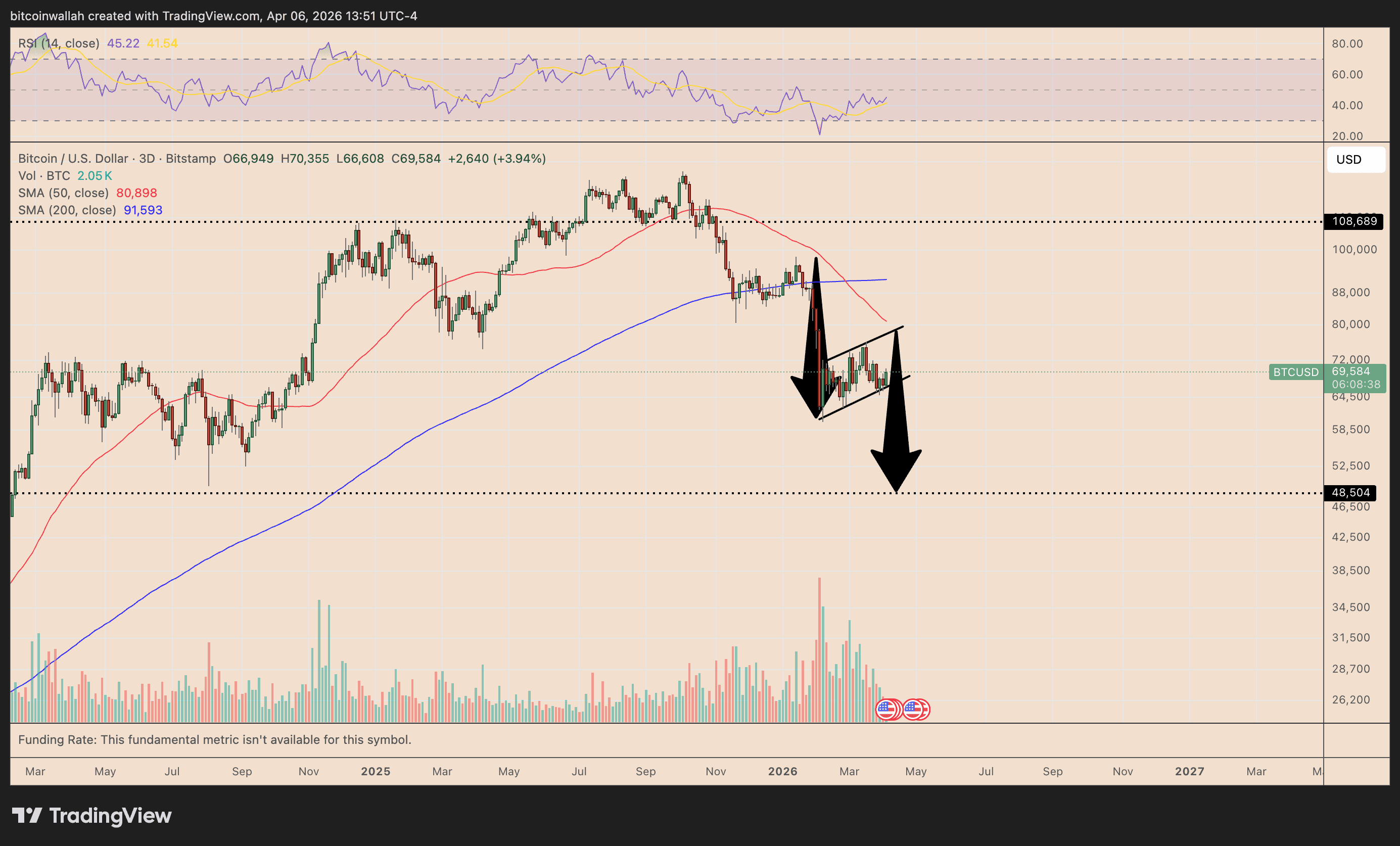
BTC/USD three-day price chart. Source: TradingView
Key takeaways:
Normally, a bear flag remains a bearish continuation pattern because there is not enough demand to overcome the broader downtrend.
In Bitcoin’s case, however, Strategy has been taking supply off the market faster than miners can replace it.
Since March 2, Strategy’s Bitcoin holdings have risen by 46,233 BTC, while miners have produced only about 16,200 BTC over the same period, meaning it has absorbed nearly thrice the new supply.
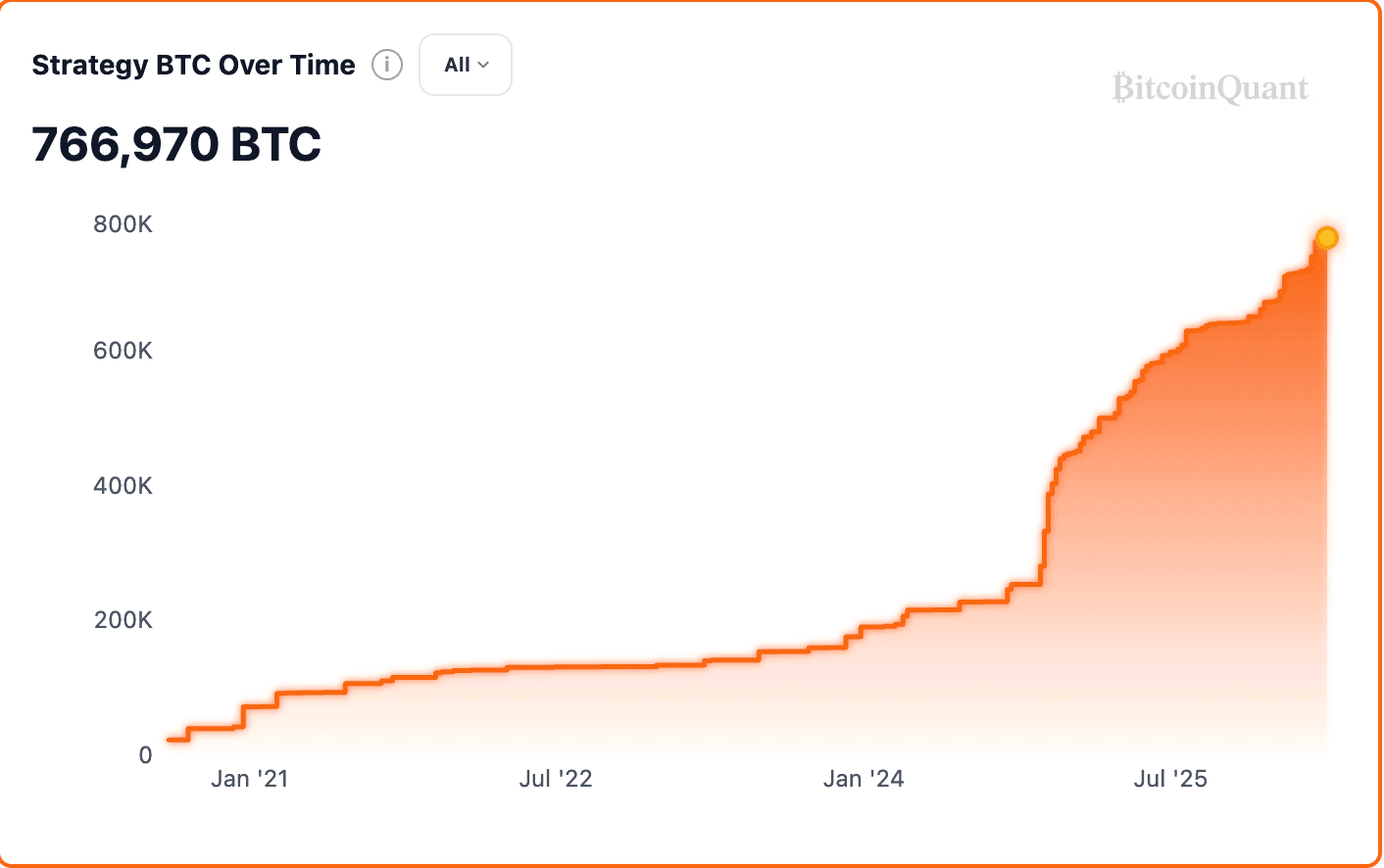
Strategy’s BTC holdings chart. Source: BitcoinQuant.CO
Much of that demand has come through STRC, Strategy’s variable-rate preferred stock. When STRC held near or above its $100 par value, Strategy kept issuing shares and accumulating BTC.
For instance, last week, Strategy raised $102.6 million through STRC sales to help fund a Bitcoin purchase worth over $330 million. BTC’s price has jumped by over 6.65% ever since.
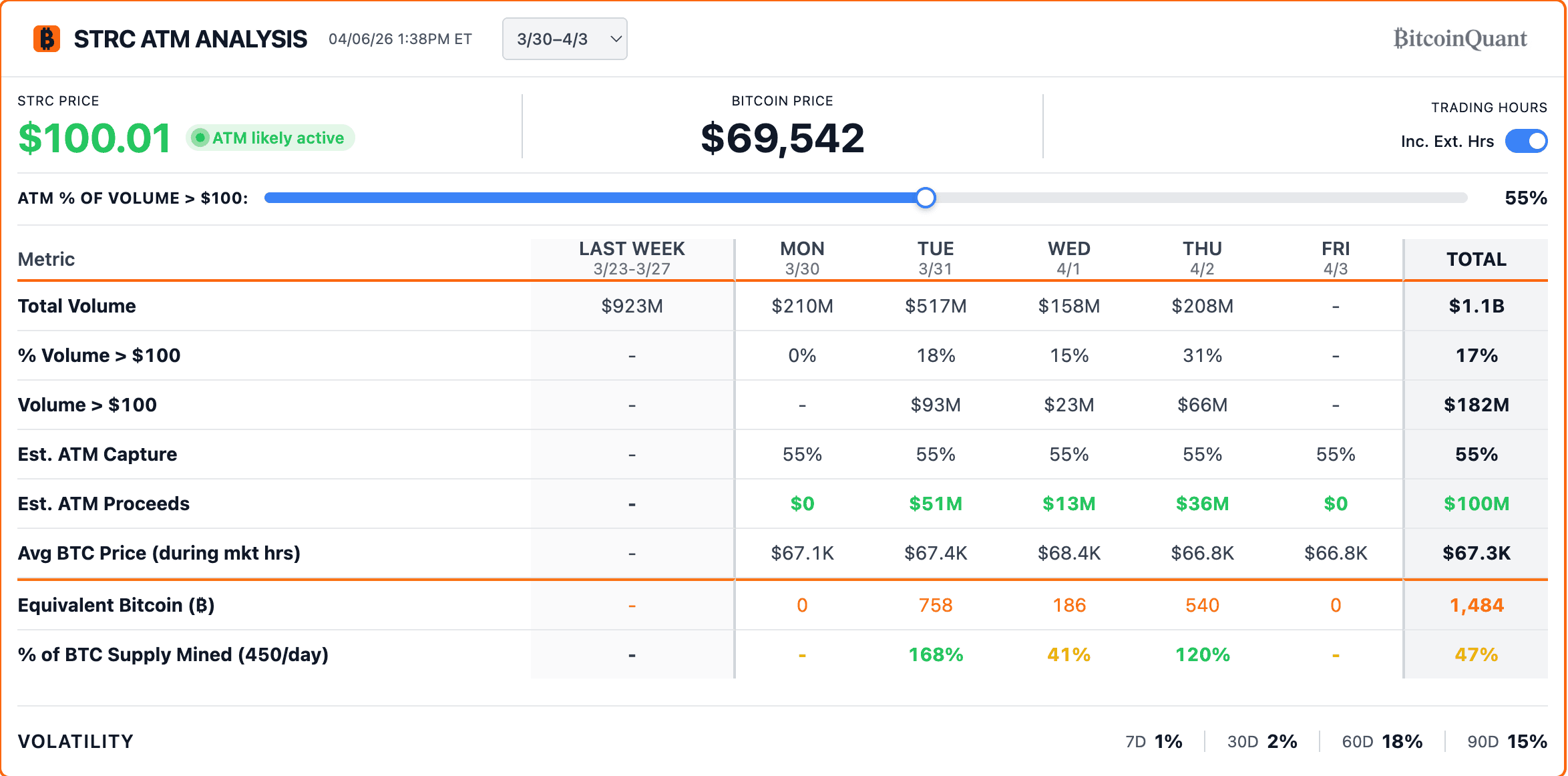
STRC at-the-market sales analysis. Source: BitcoinQuant.CO
During March 9–13, STRC sales raised about $776 million, enough to buy over 11,000 BTC, while Bitcoin rose more than 7% even as the S&P 500 fell 1.6%. The same period saw BTC’s price rising over 10.5%.
But when STRC slipped below par in mid-March, issuance slowed. Earlier below-par episodes had coincided with 25%–40% BTC pullbacks, including a nearly 40% drop over three weeks after a January pause.
Bitcoin’s long-term holders and whales drove much of the selling.
Bitcoin remains inside a bear flag after a sharp decline, but the pattern would begin to fail if price breaks above the upper trendline near the mid-$70,000 area.
That breakout would invalidate the immediate bearish continuation setup and shift focus to the bullish measured-move target near $108,000-$110,000.
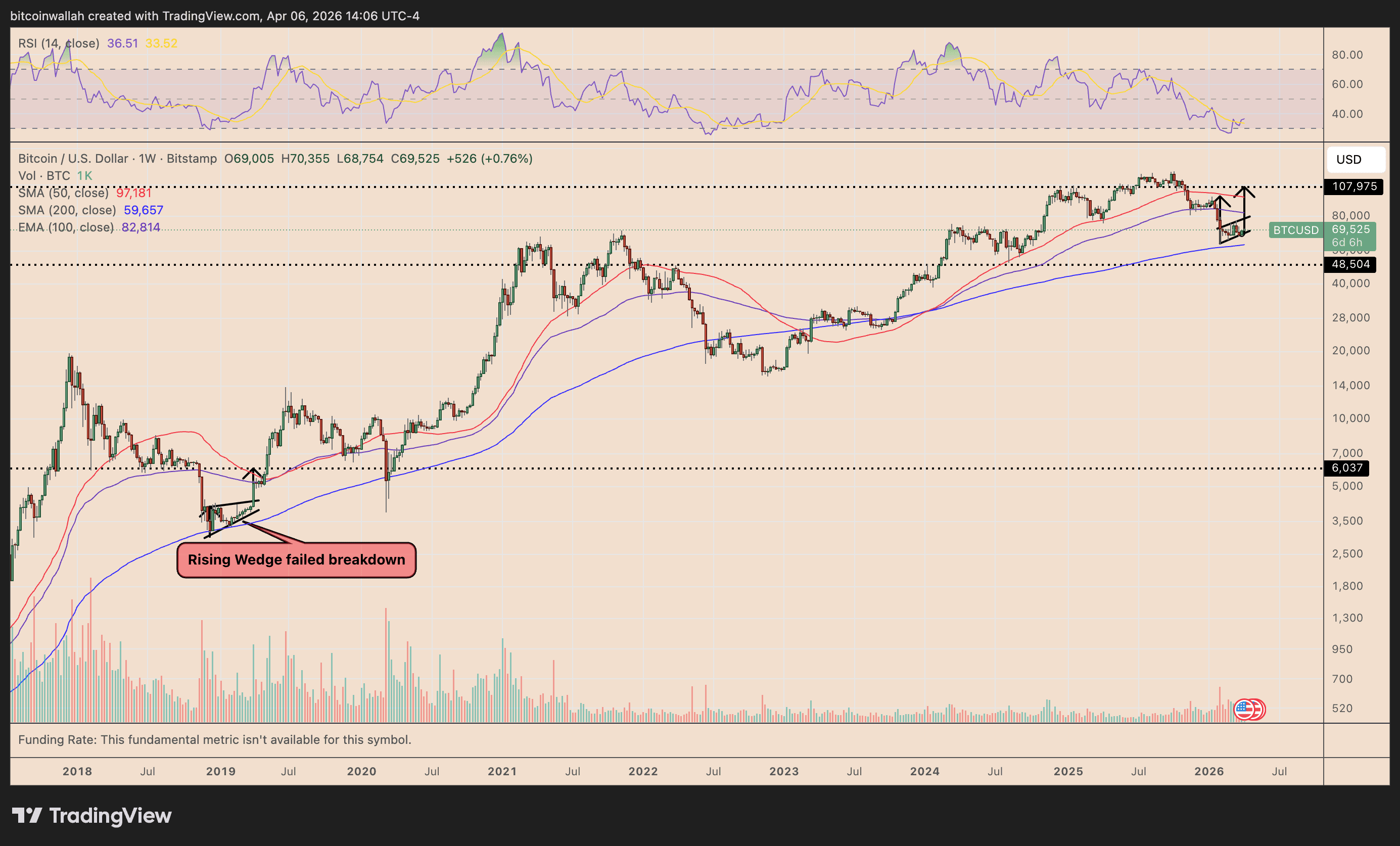
BTC/USD weekly price chart. TradingView
A similar pattern failure occurred near Bitcoin’s 2018 bottom, when a rising wedge pattern led to a breakout instead of a breakdown.
Another factor supporting the upside case is Bitcoin’s position near its 200-week simple moving average (200-week SMA, the blue wave). In 2018, Bitcoin bottomed out near this level and rose by over 1,975% afterward.
As of 2026, the 200-week SMA has capped Bitcoin’s downside attempts successfully, raising the odds of a 2018-like bottom formation.
Related: Strategy’s STRC stock trading surge: How much Bitcoin can Saylor buy?
Some analysts anticipate BTC to rise to $400,000 if Strategy continues buying BTC at its current rate.
Share this article
Strategy could support Bitcoin prices because it has been absorbing supply faster than miners are creating new BTC. Since March 2, Strategy’s holdings increased by 46,233 BTC while miners produced about 16,200 BTC, meaning the company absorbed nearly three times the new supply.
STRC is Strategy’s variable-rate preferred stock, and it has helped fund the company’s Bitcoin buying. When STRC trades near or above its $100 par value, Strategy can issue more shares and use the proceeds to accumulate BTC.
A break above the upper trendline near the mid-$70,000 area would begin to fail the bear flag pattern. That move would invalidate the immediate bearish continuation setup and weaken the case for a drop toward lower levels.
The article says a breakout could shift attention to a bullish measured-move target near $108,000 to $110,000. This target comes from the bear flag pattern failing instead of continuing lower.
The 200-week simple moving average is important because Bitcoin is trading near it and the level has helped cap downside attempts. The article notes that in 2018 Bitcoin bottomed near this average before rising sharply afterward, which supports a similar bottoming scenario now.





See every story in Crypto — including breaking news and analysis.