Sports
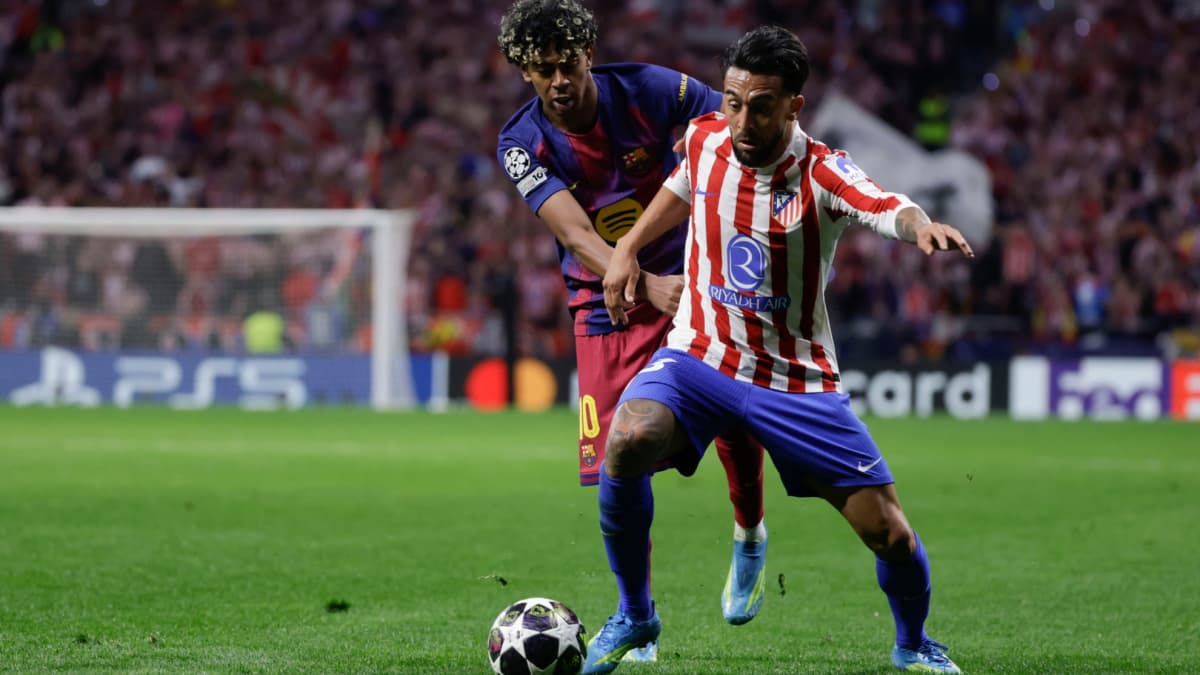
¡Nico se rompe!
Nico Gonzalez se rompe y no jugará las semifinales de Champions contra el Arsenal.
Marca1 min read
The Broncos' draft review highlights the significant impact of acquiring Jaylen Waddle from the Dolphins, which shaped their overall strategy. The team focused on adding depth and addressing weaknesses during the 2026 NFL Draft.
Joe Cavaretta/South Florida Sun Sentinel/Tribune News Service via Getty Images
Jaylen Waddle is a big part of how this class gets graded. The Broncos had already invested in a proven wide receiver and spent the rest of the 2026 NFL Draft adding depth, addressing weak areas, and giving Sean Payton more flexibility.
The best way to overlook the Broncos’ draft class is to focus only on the players they took over the weekend. Their biggest move came earlier, when they brought in Jaylen Waddle from the Dolphins.
That trade set up everything else. Denver gave up picks 30, 94, and 130 for Waddle and pick 111, which meant their top selection was already spent on a proven player.
Photo by Kenneth Richmond/Getty Images
That means more than just draft-night buzz. A late first-round receiver would have been a bet on potential, but Waddle gives Bo Nix immediate speed and experience to work with in an attack that needed more firepower.
Waddle is signed through 2026 as well, so this wasn’t just about a single season. Denver added established talent early and then used their remaining picks to fill out the rest of the roster without chasing needs.
The trade for Jaylen Waddle influenced the Broncos to focus on depth and flexibility in the 2026 NFL Draft.
The Broncos aimed to add depth and address weak areas in their roster during the 2026 NFL Draft.
Jaylen Waddle is a proven wide receiver whose acquisition significantly impacted the Broncos' draft grading and overall strategy.
The Broncos' approach involved investing in a proven wide receiver and making strategic selections to enhance their team depth.
Nico Gonzalez se rompe y no jugará las semifinales de Champions contra el Arsenal.
Manchester City frustrated by fixture pile-up and scheduling delays
Munetaka Murakami makes history with 12 home runs in his MLB debut!
Texans strengthen defense with Kayden McDonald pick in NFL draft
Jacob Beetham has signed a new contract with Cardiff, continuing his versatile role in the team.
Mike Francesa returns to podcast, confirms he is alive after two-week absence
See every story in Sports — including breaking news and analysis.
Mel Kiper Jr. handed Denver a C-plus, and it wasn’t a surprising call at first glance. The Broncos didn’t have picks in the first or second rounds, and only made one selection inside the top 100.
Without any top-tier prospects to headline the class, it makes sense that Denver’s haul wouldn’t stand out if the focus is on instant excitement over roster needs.
The Broncos weren’t looking to start from scratch. Sean Payton and George Paton already had their core pieces in place and needed to find affordable depth behind those starters.
That’s why judging this class on missing premium picks doesn’t tell the full story. It overlooks the reasons those picks weren’t there in the first place.
Not everyone viewed it the same way. NFL.com gave Denver an A minus, USA Today had it at B plus, and CBS Sports came in with a B.
That range of opinions tells the story. This wasn’t a class built to impress with big names or highlight picks—it was about filling gaps and adding depth.
If you were hoping for a future star from one of the top selections, that was never really on the table. But if you look at it as a way to strengthen the roster around the edges after landing Waddle, it starts to make more sense.
The Broncos took Tyler Onyedim, Jonah Coleman, Kage Casey, Justin Joly, Miles Scott, Dallen Bentley and Red Murdock. It’s not full of big names but those picks spread across defensive line, running back, offensive line, tight end and safety help.
Jonah Coleman was the clearest example. Sean Payton said the Broncos were looking for a specific type of runner, which explains why Coleman made sense even with J.K. Dobbins already on the roster.
He gives Denver physical early-down insurance, pass protection value, and a back who can survive contact. That is useful for a team trying to protect its quarterback and avoid leaning too hard on one veteran runner.
Payton also praised Coleman’s ability on third down. That matters because rookie backs do not earn trust in this offense by running hard alone.
They have to block pressure, understand protections, and keep the offense on schedule. Coleman’s fit is the point of the pick.
The Broncos’ 2026 class was never meant to generate buzz. It was about filling gaps and providing insurance for a team that had already made its splash by trading for Waddle.
This is where outside grades can miss the context. Teams chasing top-tier talent need headline picks. Teams with established cores are looking for injury cover, affordable backups, and prospects who can develop quietly behind veterans.
Onyedim adds depth to the defensive line rotation. Casey offers flexibility as a developmental lineman. Joly and Bentley bring competition at tight end, while Scott and Murdock provide fresh options on defence and special teams.
No one expects all of them to become long-term fixtures, but it’s clear there was a strategy in place that matched the roster’s needs post-trade.
This wasn’t a class built for instant excitement. The Broncos made their big move early, then focused on filling out the depth chart—something that won’t grab headlines but fits what they needed at this stage of their build.
Read more: