Sports
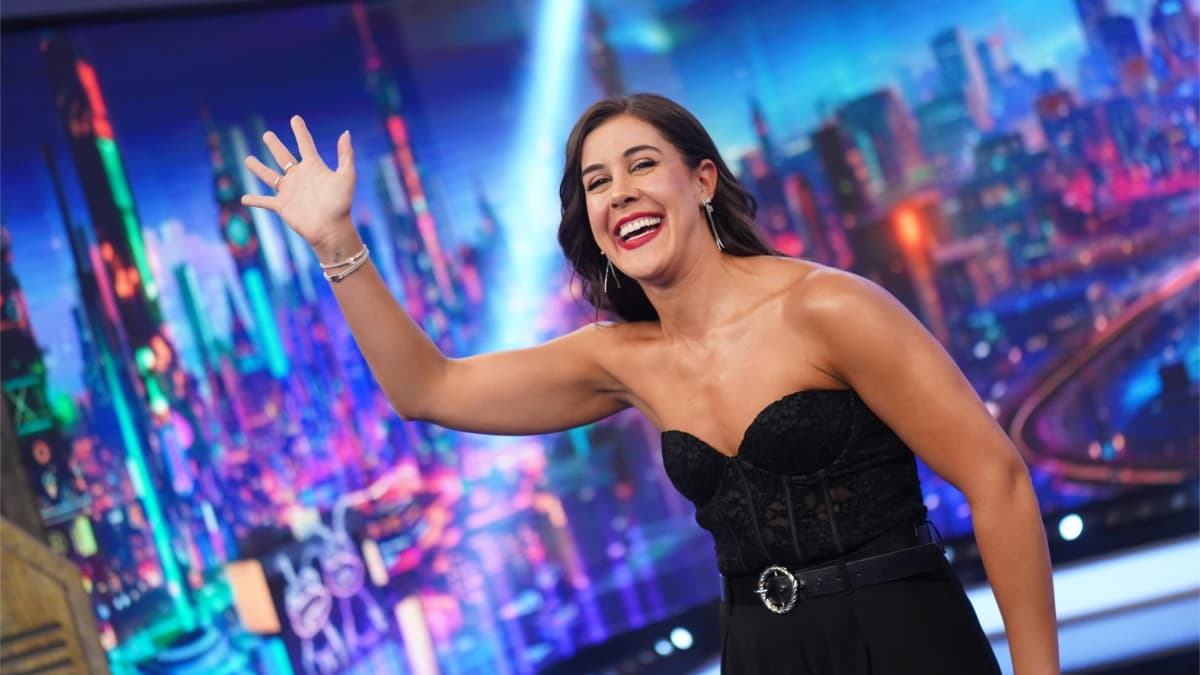
Carolina Marín, sobre su retirada: "Es la mejor decisión que he podido tomar en toda mi carrera deportiva"
Carolina Marín: 'Es la mejor decisión que he tomado en mi carrera'
Marca1 min read

The NCAA is considering extending athlete eligibility from four to five years. This follows recent changes allowing athletes to profit from their name, image, and likeness, and granting immediate eligibility for transfers.
May 11—Changes have hit college athletics at a dizzying pace in recent years.
In July 2021, the name, image and likeness era started. For the first time, athletes could make money by, for example, promoting products or hosting sports camps for kids.
In April 2024, the NCAA granted immediate eligibility to all transfers, ending a long-standing rule that forced transfers to sit out a season at their new school.
In July 2025, the revenue-sharing era began. The University of Dayton could, for the first time, pass money earned from ticket sales onto its athletes.
Another change that will have a major impact on college athletics could be coming soon. The NCAA is considering giving athletes five years of eligibility instead of four.
Neil Sullivan, the University of Dayton's director of athletics, said it's a needed change.
"I think we've had inconsistent application of waivers for six-year, seven-year, eight-year players in some cases," Sullivan said, "and it's tough to figure out who gets a waiver and who doesn't. You find yourself not knowing which way to go. So I think anything that could bring clarity and consistency to rosters I'm in favor of, because our business right now is based on rulings of federal judges across different federal court districts, depending on what state you're in, and that's just not a good way to do business."
The NCAA's Division I Cabinet met in April to discuss the topic and will revisit it on May 22.
"Division I is currently undergoing an extensive review of all eligibility rules to determine what makes the most sense in the current era of college sports," said Jon Steinbrecher, commissioner of the Mid-American Conference and vice chair of the Division I Cabinet, in a press release. "These changes are the first phase of that process and are intended to provide immediate clarity for schools as they finalize rosters for the upcoming academic year, and the Cabinet will continue its work on broader eligibility discussions in the coming months."
The concept, if proposed and adopted, would eliminate "seasons of competition" and implement an "age-based model."
The new rule, according to the NCAA, would allow "student-athletes to be eligible for Division I competition for a window of five years, starting the academic year immediately after a prospective student-athlete's high school graduation or 19th birthday, whichever occurs first. There are possible exceptions considered under that model, including pregnancy, military service and religious missions."
Dayton basketball: 'A military-type operation' led to Flyers landing six commitments in six days
The current rule — four years of eligibility in five years — has included many exceptions. Dayton Flyers forward Keonte Jones was a sixth-year player last season, for example. His career started at the junior college level, and the NCAA stopped counting JUCO years against an athlete's eligibility in recent years.
Another player who committed to Dayton this spring, Cincinnati transfer Jalen Haynes, has already spent five seasons in college basketball. He has played three seasons but sat out one season as a redshirt and missed last season with an injury. He will, presumably, need a waiver to play for Dayton in the 2026-27 season.
Some athletes who exhausted their eligibility this year, such as Dayton guard Javon Bennett, put their names in the transfer portal in hopes the rules would change in time for them to play a fifth season, but the NCAADivision I Council recommended in April that the "new rules are not expected to retroactively apply to student-athletes whose eligibility is or will be completed by the spring of 2026."
For Dayton coach Anthony Grant, the uncertainty means he and his coaches have to continue recruiting as they always have.
"We have to operate based on the information that we know today," Grant said. "Sometimes it changes on you midstream. It used to be that if you were a one-time transfer, you could play. If you were more than a one-time transfer, you couldn't play. In the middle of the year, that changed. Then, if you had pro experience, you weren't eligible. And then, in the middle of the year changed to where, okay, well, if you have pro experience, you can play now. For me, to sit here and say I know what's coming, that'd be misleading at best."
The NCAA is considering extending athlete eligibility from four years to five years.
The NCAA began allowing athletes to profit from their name, image, and likeness in July 2021.
In April 2024, the NCAA granted immediate eligibility to all transfers, eliminating the requirement to sit out a season.
Starting in July 2025, the University of Dayton will be able to share money earned from ticket sales with its athletes.
Carolina Marín: 'Es la mejor decisión que he tomado en mi carrera'

Stuani salva un punto para el Girona en el último minuto, pero el Oviedo desciende.

Key trends and contenders for the 2026 PGA Championship at Aronimink Golf Club.
Vanderbilt basketball announces new coaching staff additions
Predicted Manchester City Lineup: Gonzalez and Khusanov to Start vs Crystal Palace
Knicks dominate Sixers in Game 3, revealing critical flaws.
See every story in Sports — including breaking news and analysis.