
SoccerPreview
Arteta: Arsenal ready to take final step in trophy hunt
Mikel Arteta calls on Arsenal to take a crucial step towards the Premier League title against Burnley.
Sky Sports1 min read
Pickleball is transitioning from a trend to a structured system as it matures. The growth includes new facilities and a surge in first-time players, indicating a solidifying infrastructure.
Mentioned in this story
Mineola, N.Y.: People playing pickleball at the newly-opened Pickleball Prime facility in Mineola , New York, on March 19, 2026. (Photo by Thomas A. Ferrara/Newsday RM via Getty Images)
Newsday via Getty Images
Pickleball’s meteoric rise has been well documented. What’s more interesting now is what comes next.
After years of explosive growth—new courts, new brands, and a flood of first-time players—the sport is entering a more mature phase. The noise is settling. The real infrastructure is taking shape. And the signals suggest something bigger: pickleball isn’t just a trend—it’s becoming a system.
At the center of that system is something deceptively simple: measurement.
If you want to understand where pickleball is headed, look at DUPR (Dynamic Universal Pickleball Rating).
DUPR CEO Tito Machado, who helped build tennis’ equivalent rating system (UTR), sees it as foundational to the sport’s evolution.
“We’ve created a language. It’s a metric that allows people to understand where they fit, regardless of where they are in the world,” Machado told me.
That framing matters.
Because DUPR is doing for pickleball what the handicap system did for golf: making the game more inclusive, more competitive, and more sticky over time.
In golf, a handicap doesn’t just measure skill—it enables participation. It allows players of different abilities to compete fairly, track progress, and stay engaged. It creates a lifelong journey.
Pickleball is now building that same scaffolding.
Without a universal rating system, the sport risks fragmentation—players unsure where they belong, games mismatched, and progression unclear. With it, players gain clarity. A 2.5 knows what it takes to get to 3.0. A 3.5 can find the right games anywhere in the world.
The growth of pickleball in 2026 is driven by the establishment of new courts, brands, and a significant influx of first-time players.
Pickleball is evolving from a trend to a system as it develops a more mature infrastructure and community, indicating its long-term viability.
The new Pickleball Prime facility is located in Mineola, New York.
The future of pickleball looks promising as it continues to grow and establish itself as a significant sport with a solid infrastructure.
Mikel Arteta calls on Arsenal to take a crucial step towards the Premier League title against Burnley.

Emery expresses concerns about Villa's status and relegation fight

Can Arne Slot regain Liverpool fans' support next season?
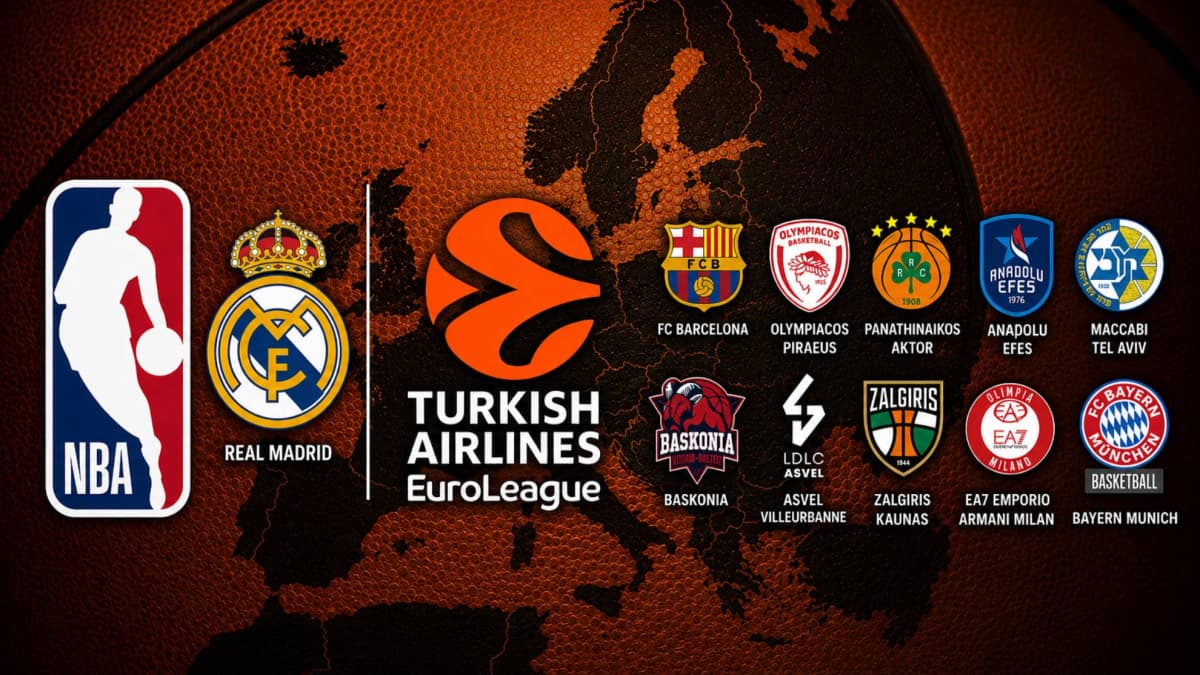
El Real Madrid se queda solo en un proyecto de la NBA que no convence en Europa.

Un joven de 18 años restaura la cruz de 35 kilos en el Aneto tras su desaparición.
USC Trojans edge Oregon Ducks 2-1 in thrilling extra innings!
See every story in Sports — including breaking news and analysis.
That last point is critical. As Machado notes, DUPR creates a shared standard “whether you are in Columbus, Ohio, or Ho Chi Minh City.”
That’s not just a feature—it’s the backbone of a global sport.
Pickleball’s early growth was fueled by accessibility and social connection. Anyone could show up, paddle in hand, and join a game.
That hasn’t changed—but it is evolving.
“The social side is exactly why the sport is what it is,” Machado explains. “People show up, meet new people and play.”
But as the player base grows, so does selectivity. Players want better matches, more competitive games, and more curated experiences. DUPR enables that shift without losing the sport’s social DNA.
In other words, pickleball is moving from open play to organized play—from casual connection to structured community.
That’s a familiar pattern in successful sports ecosystems. And it’s a sign of staying power.
While ratings systems help players understand where they are, another innovation is helping them get started in the first place: ball machines.
If pickleball’s growth has a barrier, it’s not cost—it’s confidence.
New players often hesitate to jump into open play. The learning curve, while gentler than tennis, can still feel intimidating in a social setting.
Ball machines are quietly solving that problem.
They allow beginners to practice serves, returns, and dinks without the pressure of holding up a game. They give players a way to build muscle memory before stepping onto a crowded court. And for more advanced players, they offer a way to refine technique in a controlled environment.
In many ways, ball machines are the on-ramp to the DUPR journey.
They bridge the gap between curiosity and competence.
And that matters because the long-term health of pickleball depends not just on attracting new players—but retaining them.
What makes pickleball unique is that its infrastructure is being built in real time.
Unlike legacy sports with decades of governance and standardization, pickleball is evolving from the ground up—driven by community first, then formalized systems.
That’s messy. But it’s also powerful.
Machado describes an industry that has moved from hype to reality—where early chaos is giving way to consolidation and clarity.
And while the U.S. market is normalizing, global growth is accelerating—particularly in Asia, where existing infrastructure (like badminton courts) and strong sports culture are fueling rapid adoption.
The implication: pickleball isn’t just an American phenomenon. It’s becoming a global platform.
At its core, pickleball’s success isn’t about paddles, leagues, or even media rights.
It’s about the player journey.
DUPR gives players a way to measure progress. Ball machines give them a way to improve. Social play gives them a reason to return.
Together, these elements create something deeper than a sport—they create a habit.
And in today’s experience economy, habits are everything.
The next chapter of pickleball won’t be defined by how fast it grows. It will be defined by how well it retains, engages, and develops its players over time.
In that sense, pickleball isn’t just chasing tennis or golf.
It’s learning from them—and, in some ways, reinventing the model for a new generation.
This article was originally published on Forbes.com