MMAPreview
Chimaev vs Strickland: UFC 328 start time, undercard and how to watch fight
UFC 328: Chimaev vs Strickland Fight Time & How to Watch
Yahoo Sports1 min read
Formula 1's shift towards electric power may be reversing as FIA President proposes a return to traditional V8 engines by 2030. Recent changes have limited electrical influence, promoting pure driving skills.
Mentioned in this story
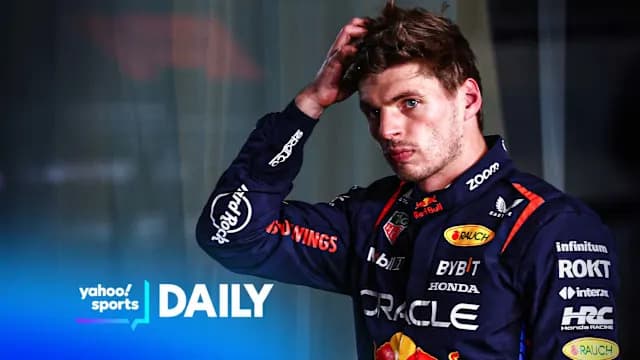
When FIA President Mohammed Ben Sulayem first proposed a return to big, noisy traditional engines last year, some F1 figures thought it was an election tactic, and it fizzled out in a meeting with manufacturers. Now with Ben Sulayem in office for another term, and following a backlash to electrical power from some key drivers and fans, his push for V8 engines by 2030 or 2031 seems much more serious. The F1 world typically plans out new regulations years ahead of time. “You get the sound, you get less complexity and then you’ve got the lighter weight, you hit all the boxes,” Ben Sulayem said Saturday in Miami. “You will hear about it very soon and it will be with a very, very minor electrification, but the main one will be the engine.” F1 has used V6 engines with electrical hybrid power since 2014 and a big step up in the amount of electrical power for this year has made it central to how drivers go racing. Timing the electrical boost and recharging is the key to tactical racing. Four-time champion Max Verstappen loathes it so much he's in F1. A return to bigger V8 engines would be a nostalgia trip for older drivers and fans, with a distinctive screaming engine noise. They're relatively rare in modern vehicles outside of expensive sportscars. Using sustainably-sourced fuel, as F1 does already from this season, would be one concession to environmental goals.
The FIA President believes a return to V8 engines would enhance the sport by providing distinctive sound and less complexity, responding to backlash against electrical power.
The 2026 regulations initially featured a 50-50 power split between traditional engines and electrical systems, but recent tweaks have reduced the role of electrical power in favor of driving skill.
Political changes, such as tighter rules on electric vehicle infrastructure and shifts in EU regulations, have led the FIA to reconsider the future dominance of electric vehicles in F1.
If successful, the push for V8 engines could mark a significant shift back to traditional racing, appealing to nostalgia while potentially altering the competitive landscape of F1.
UFC 328: Chimaev vs Strickland Fight Time & How to Watch
Akanji's loan to Inter Milan becomes permanent after Serie A title win!
Bournemouth's Tavernier praises 'world-class' Rayan and Kroupi Junior for future moves
Three Premier League players have scored and assisted 10+ goals this season.
Dutch Eredivisie could be scrapped as 133 matches hit by court case!

Odegaard no se entrena antes del duelo crucial contra el Atlético de Madrid.
See every story in Sports — including breaking news and analysis.
There's a lot of politics behind the decisions on F1's future, from the White House to the racing paddock. Electrical vehicles no longer seem as certain to dominate the roads in key F1 markets as they did when the FIA and teams began drawing up the regulations in the early 2020s. The Trump administration has put tighter rules on the charger network that electric vehicles depend on, and the European Union is rethinking a planned ban on new internal combustion-powered cars from 2035. “The political landscape has changed,” the FIA's top F1 regulations official Nikolas Tombazis told reporters last week. “Back when we discussed the current regulations, the automotive companies, who were very involved, told us that they’re never going to make another internal combustion engine again, a new one, that they were going to phase out and by whatever year they were going to be fully electrical. Obviously, this hasn’t happened.” Ben Sulayem said the FIA would need engine manufacturers' agreement to push for V8 engines for 2030, ahead of the agreed five-year schedule for the current cars, but would be more free to act without their agreement for 2031. The F1 world has long appealed to automakers by promising innovation relevant to their road cars but now the FIA seems less keen for F1 cars to resemble daily drivers. The boom in F1's popularity around the world over the last decade could give it more leverage. “We do need to protect the sport from the world macroeconomic situation, meaning we cannot be hostage to automotive companies deciding to be part of our sport or not,” Tombazis said. “We want them to be a part of our sport, absolutely. That’s why we’ve worked so hard to secure new ones to participate. But we can also not be in this position where if they decide they don’t want to be, we’re simply left vulnerable.” \\\_ Alanis Thames in Miami Gardens, Fla., contributed to this report. \\\_ AP auto racing: