SoccerRecap
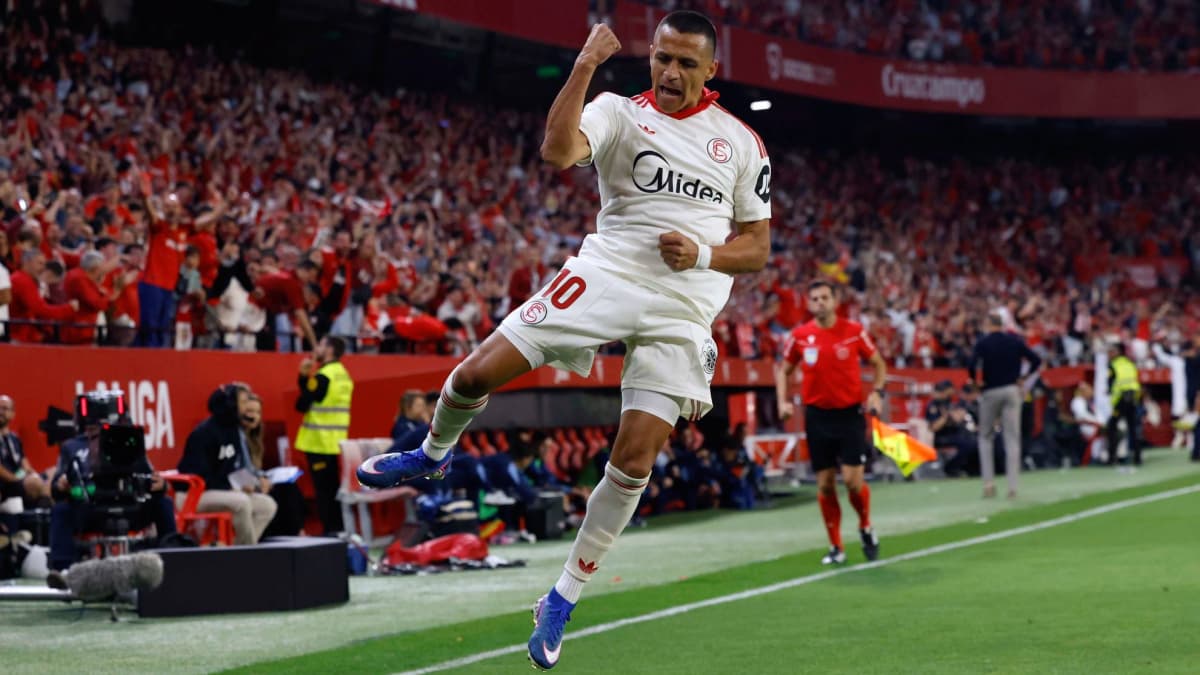
Alexis saca al Sevilla del descenso
Con un gol de Alexis, el Sevilla vence a la Real Sociedad y sale del descenso.
Marca1 min read
The NBA faces a significant fouling issue, with players using tactics like foul-baiting and intentional fouls to manipulate game outcomes. Techniques such as 'Hack-a-Shaq' are employed to exploit opponents' weaknesses at the free-throw line.
Apr 29, 2026; Cleveland, Ohio, USA; NBA referee Scott Foster (48) runs on the court in the first quarter of game five of the first round of the 2026 NBA Playoffs during a game between the Toronto Raptors and the Cleveland Cavaliers at Rocket Arena. Mandatory Credit: David Richard-Imagn Images
The NBA has a foul problem.
Players foul-bait to get to the free-throw line or get opponents in foul trouble. Players also intentionally foul for multiple reasons. They send the opposing team’s worst free-throw shooter to the line intentionally if his free-throw percentage is bad enough. This is called the “Hack-a-Shaq” technique.
In addition, teams use intentional fouls when up by three late in a game to prevent the trailing team from ever attempting a potential game-tying three.
Fouls, no matter the time of the game, slow the game down, as play always stops. Either someone gets to shoot free throws, or someone has to inbound the ball. Fouls provide loopholes in the game that ruin it for the fans and turn it into a flopping and free-throw shooting contest.
The NBA must patch these issues so they don’t continue to poison basketball.
Foul-baiting has gone on long enough that one can now trace a lineage of players who have fully taken advantage of foul-baiting. It started with Chris Paul, who would jump into defenders and rip through defenders’ arms on purpose on his way into a shooting motion. James Harden took it to a new level, and Shai Gilgeous-Alexander is building on their legacies.
CP3 was teammates with both Harden and SGA. Coincidence? Probably not.
The punishment for foul-baiting needs to be harsh. The NBA should implement a rule that gives players free throws for foul baiting, but also issues a technical foul. This lessens the benefit of foul-baiting, but also discourages that player from trying it again. The second time they do it, they’ll be out of the game, and a teammate will have to shoot the free throws for them.
Some players may then “save” the free foul-baiting attempt for a crucial moment at the end of the game. To stop this, if a foul-baiting attempt occurs in the final two minutes of the fourth quarter or an overtime period, the player should be ejected and get a technical foul. His team will retain possession of the ball, but the other team will get a technical free throw.
In college basketball, once a team commits at least seven fouls in a half, the other team enters the bonus, meaning they shoot a one-and-one at the free-throw line for each foul. Once the team reaches 10 fouls, the other team enters the double bonus, or “Bonus+.” This means the player who gets fouled shoots two guaranteed free throws.
In hockey, each penalty results in a power play for the other team. The penalized player goes to the penalty box for two minutes, and the other team gets a five-on-four advantage.
The NBA should merge these two concepts. Currently, starting whenever a team commits its fifth defensive foul of the quarter, the other team enters the bonus and shoots two guaranteed free throws.
The league should lower the bonus trigger to the fourth foul, as FIBA does. Starting with the fifth foul, the fouling player must sit out the rest of the defensive possession, creating a power-play scenario.
The fouling player would stand at least 10 feet behind his team’s own baseline to prevent any interference or safety hazards. He wouldn’t be allowed back in until his team has full possession of the ball.
To further discourage excessive fouling, for each defensive player who commits a foul during a power play, he, too, will sit out with his teammate for the remainder of that possession. This would create a larger advantage for the offensive team. In extreme scenarios, there would be five-on-zero scenarios.
Under these rules, excessive fouling won’t slow games to a crawl. In fact, it could spice things up. And it would discourage fouling in general, which should keep games running at a good pace.
Flopping has become widespread in the modern NBA. Dillon Brooks, Marcus Smart, LeBron James, and Shai Gilgeous-Alexander have been some of the headlining floppers in the past several years. A simple rule change could immediately halt any embellishment.
Flopping should result in an automatic point for the opposing team and a technical foul. Of course, that technical foul comes with a technical free throw. The automatic point will be credited to the player who committed the foul. Players will think twice before flopping with this rule in place, as it would more often than not cost their team a two-point swing.
The “Hack-a-Shaq” method ruins basketball games. Nowadays, it’s most commonly used on New York Knicks center Mitchell Robinson.
While the NBA has taken action against it, the punishment remains short of a full ban. “Hack-a-Shaq” is a terrible way to measure which team is better, and no fan paid to see that. Intentional fouls off the ball should result in a technical foul AND a power play for the opposing team—no free throws for the fouled player.
Intentional fouls by leading teams with under two minutes remaining would receive the same penalty. No longer will they be fouling trailing teams to wreck their chances of a comeback.
The highest penalty will occur if the leading team commits an intentional foul with under 10 seconds to go. In this scenario, the punishment would be a technical foul and ejection of the fouling player, along with a technical foul on the coach and the second-closest defender. The trailing team would get three technical free throws and retain possession.
The fouling loophole for teams leading by three is absurd and must be trashed from the game immediately. And just for good measure, the NBA should not only implement all the rules in this article, but also make them stackable when applicable.
Referees hold a lot of power in the NBA, and they have never been properly held accountable. The league fines players for speaking out, even when they’re right. Recently, Devin Booker let out his frustrations after Game 2 of the Phoenix Suns’ playoff series against the Oklahoma City Thunder.
The league said his technical foul in the third quarter was “improperly assessed,” yet he was punished and not the ref.
For the new rules against fouling and flopping to work, referees must know that their jobs are not guaranteed if they do it poorly. If a referee consistently makes poor calls, they should be banned from refereeing at the NBA level for 5 years.
Having top-of-the-line officials will ensure the new rules are implemented smoothly and improve the game for decades to come.
The post How Can the NBA Fix Its Fouling Problem? appeared first on The Lead.
Foul-baiting is a tactic where players intentionally draw fouls to get to the free-throw line or to put opponents in foul trouble.
'Hack-a-Shaq' involves intentionally fouling a poor free-throw shooter to exploit their low shooting percentage, often used to gain an advantage late in games.
Teams use intentional fouls late in games, especially when leading by three points, to prevent the opposing team from attempting a game-tying three-pointer.
Excessive fouling can disrupt the flow of the game, lead to higher free-throw counts, and affect the overall strategy and outcome of matches.
Con un gol de Alexis, el Sevilla vence a la Real Sociedad y sale del descenso.
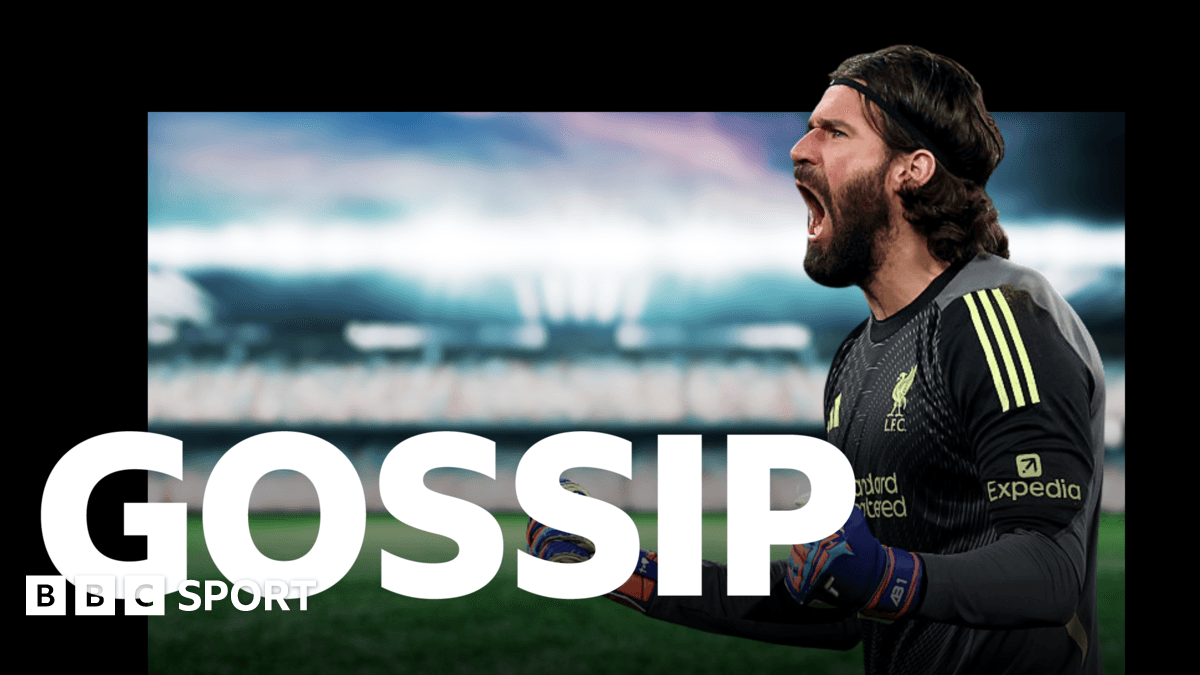
Juventus have made Liverpool's Alisson their top target for the summer transfer window.
Neymar's alleged slap of Robinho Jr. leads to Santos contract issues

Jorge Masvidal supports Carlos Prates for a UFC championship fight!
Maeser Prep defeats American Heritage 4-0, heads to 2A final against Rowland Hall.
![Chael Sonnen: Sean Strickland is UFC's 'last hope' from 'having to watch [Khamzat] Chimaev' with the belt](/_next/image?url=https%3A%2F%2Fs.yimg.com%2Fny%2Fapi%2Fres%2F1.2%2FJFwuDoH7yYGB1We.asq.6Q--%2FYXBwaWQ9aGlnaGxhbmRlcjt3PTEyMDA7aD04MDA7Y2Y9d2VicA--%2Fhttps%3A%2F%2Fd29szjachogqwa.cloudfront.net%2Fimages%2F2026-05%2Fdc0353f5-302b-4e0d-bdee-f346c8687d3d&w=3840&q=75)
Chael Sonnen claims Sean Strickland is the UFC's last hope against Khamzat Chimaev's reign.
See every story in Sports — including breaking news and analysis.