
SoccerTransfer
Mainoo signs new Man Utd contract
Kobbie Mainoo signs new five-year deal with Manchester United until 2031.
Sky Sports1 min read
Texas Tech quarterback Brendan Sorsby reportedly wagered on his team while at Indiana in 2022, prompting potential NCAA punishment. The situation raises questions about the integrity of college sports and gambling regulations.
Mentioned in this story
Before we get into dissecting the latest round of self-inflicted stupidity from the NCAA, there has to be a red line somewhere.
If Texas Tech quarterback Brendan Sorsby wagered on his team while at Indiana in 2022 — whether he played or not, and no matter how much he won — it’s going to be be extremely difficult for the NCAA to ignore some form of punishment.
A suspended percentage of the season, or a complete loss of eligibility, something must happen. You can’t have players gambling on their own teams, no matter the amount of money.
ARMOUR: Brendan Sorsby's gambling addiction a symptom of our broader illness
The integrity of the game, and future of the sport depends on it.
With that out of the way, it’s here where we introduce the remarkably ironic and brazen embrace of gambling by an NCAA member institution: the University of Arizona’s football stadium is named after a casino.
That’s right, Casino Del Sol paid Arizona $60 million over 20 years for naming rights to Arizona Stadium. The Tucson casino and resort has a sports book, five betting windows and 15 self-service kiosks.
But we’re not done yet with this wildly inappropriate dalliance of the NCAA and gambling, not by a long shot.
Three years ago, the Big Ten began announcing weekly injury reports of its football teams. A stunning move from the conference that holds itself higher than all others. Legends and Leaders, no less.
Brendan Sorsby may face a suspended percentage of the season or a complete loss of eligibility due to gambling on his team.
The NCAA typically imposes penalties for gambling violations, which can include suspensions or loss of eligibility for players involved.
Sorsby's gambling incident raises serious concerns about the integrity of college sports and the NCAA's ability to enforce gambling regulations.
The gambling activities of college athletes highlight a growing issue within sports, reflecting a potential addiction and the need for better regulations and support.
Kobbie Mainoo signs new five-year deal with Manchester United until 2031.
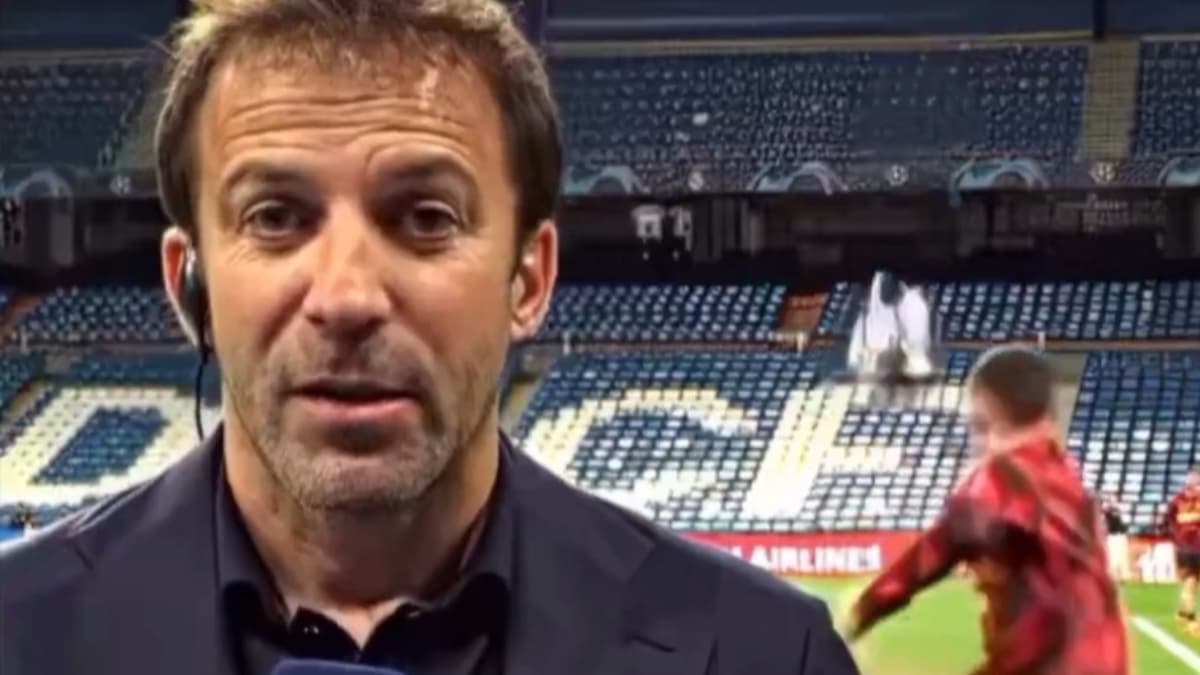
Del Piero, impresionado por la atmósfera del Metropolitano: 'El suelo temblaba'
Diego Pavia signs with Baltimore Ravens, a perfect fit for his NFL journey.
Declan Rice says Atletico Madrid fans provoked referee to overturn penalty for Arsenal
Jack Della Maddalena and Carlos Prates engage in a fierce staredown at UFC Perth!
Auston Matthews of the Maple Leafs is facing trade rumors as the team seeks improvement.
See every story in Sports — including breaking news and analysis.
A year later, the SEC followed, and a year after that, the Big 12 and ACC joined the club — and college football had officially let the wolf through the door.
I ask you, why do the conferences release injury reports? Why does the NFL, the largest money-maker in professional sports history, have injury reports?
And if the train is barreling down the tracks, why stop it? The NCAA has all but locked up its longterm dream of expanding the annual men’s basketball tournament to 76 teams, and as much as hoop purists want to believe, it’s not about more teams, more access. It's about gambling.
Embrace it when you need to, decry it when you have to.
The Big Ten last July held its annual Media Days ― a four-day celebration of the ascending football Power conference ―at the monstrous Cosmopolitan resort and casino in Las Vegas. And if all that doesn’t do it for you, here comes the hammer.
The College Football Playoff national championship game will be played this season in — wait for it — Allegiant Stadium in Las Vegas. It takes some stones to be that ridiculously two-faced.
Meanwhile ― and I know this will shock you (sarcasm font) ― the 2028 Final Four will be played in Allegiant Stadium, too.
Hey kids, don’t gamble, but you're going to play the most important games of NCAA sports competition in the gambling capital of the world!
At the very least, the NCAA has dialed back the zero tolerance narrative of gambling to avoid the obvious 12,000-pound gorilla in the room. What used to be a mortal sin — Rick Neuheisel was once fired by Washington after participating in an NCAA tournament pool — is now just an oddly structured agreement between the NCAA and gambling.
You scratch my back with millions, and I won’t say you’re the devil. And I’ll throw in a couple of championship events, you know, for the effort.
The hypocrisy is enough to make you puke.
So one member institution of the NCAA knew of Sorsby’s gambling problems, and another found out months after he transferred there. But only after someone — just some random someone, I’m sure ― informed the NCAA police of the problem.
Gee, I wonder how that happened?
The Southwest Conference has come full circle, everyone. From the renegade conference that ate itself alive in the late 1980s by siccing the NCAA on each other for recruiting violations, to the revamped, rebranded Big 12 that began by adding a handful of former Big Eight teams, and eventually survived by adding from the Group of Five.
And now all the way back to the Southwest Conference.
When the NCAA used the dreaded death penalty on a football program for the first and only time, SMU was forced to cancel the 1987 season (and couldn’t play a home game in 1988) — and the resulting carnage was the beginning of the end of the SWC.
The only person who loses this time around is Sorsby. Depending on the severity of the penalty.
Because, you know, integrity.
Matt Hayes is the senior national college football writer for USA TODAY Sports Network. Follow him on X at @MattHayesCFB.
This article originally appeared on USA TODAY: NCAA hates gambling. Except when it cashes the checks