Sports
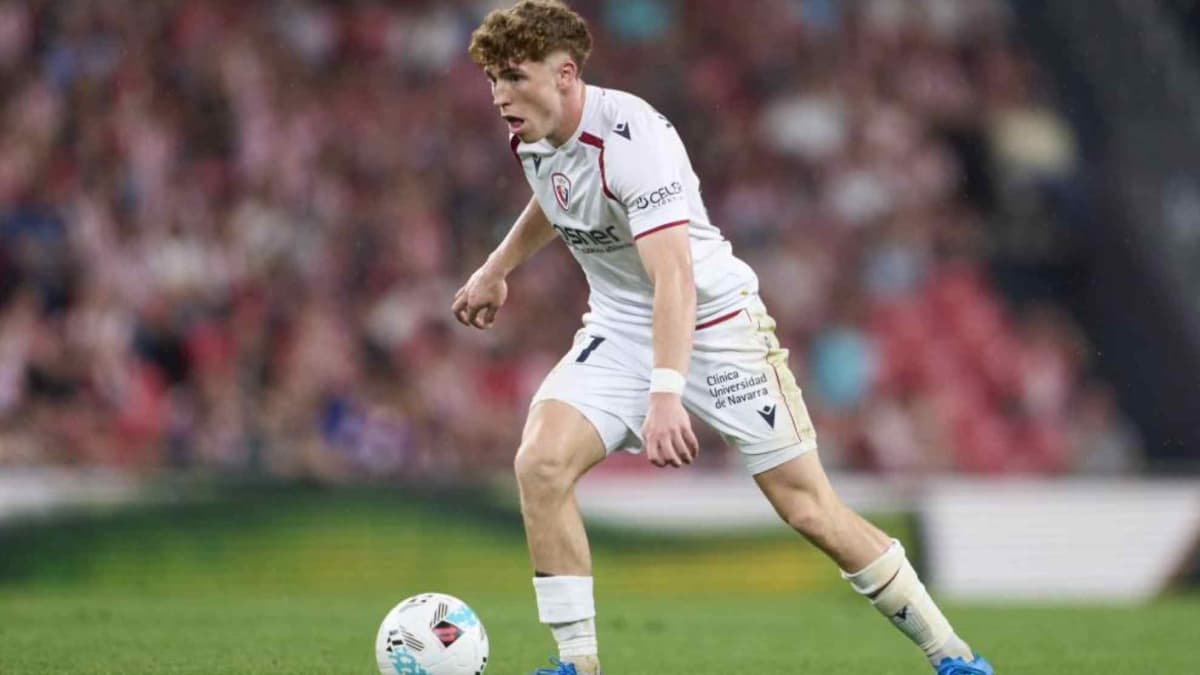
Víctor Muñoz sufre una lesión en el sóleo que le 'complica' el Mundial
Víctor Muñoz sufre una lesión en el sóleo que complica su Mundial
Marca1 min read

Luka Dončić faces ongoing scrutiny regarding his body and conditioning, reflecting a broader trend in the manosphere that equates male worth with physical appearance. This scrutiny has intensified since he joined the NBA in 2018, overshadowing his on-court achievements.
Mentioned in this story
In Louis Theroux’s Netflix documentary Inside the Manosphere, he interviews podcasters, streamers and influencers from across the Red Pill ecosystem. But the most profound moments are when he speaks with their followers. Regular, everyday American men who struggle to make a living, find love, get laid and start a family.
One of them is a Latino man in his 20s living in Miami. He explains that Andrew Tate’s message helped pull him out of homelessness. What stuck with him wasn’t Tate’s aggressive bravado or rampant misogyny, but a simple idea: as a man, you start with no inherent value – you have to build it. On its face, it sounds like basic self-help. Beneath it is something harsher: a belief among those in the manosphere that worth is conditional, something that must be earned through performance, discipline and visible results. Under their logic, a “successful” man has a harem of women, luxury cars and a body bulging with muscles.
That message doesn’t just live online. You can see it in sports, especially in how we talk about athletes’ bodies. This kind of scrutiny isn’t new in sports. For decades, female athletes have lived under a similar microscope. Evaluated not just for what they do, but how they look while doing it. Now, men are being pulled into the same dynamic. The standards aren’t identical, but the mechanism is.
Luka Dončić has become one of the clearest subjects of the scrutiny. Ever since he entered the NBA in 2018, it’s been clear that the Slovenian is a Hall of Fame talent. But for all his ability, conversation around him has drifted away from what he does on the court and toward what his body – Dončić has never had the ripped physique of the stereotypical athlete – supposedly says about him.
In Dallas, he led – some would say carried – the Mavericks to the 2024 NBA finals. But long before then, the whispers had started about his “conditioning” and “durability”. It began with chatter about his love of hookah and fluctuating weight while in Dallas, before being used as the raison d’être for the since-fired Mavericks general manager, Nico Harrison, trading him to the Los Angeles Lakers.
Luka Dončić's body is scrutinized due to societal expectations that equate male worth with physical appearance, a trend amplified by the manosphere.
Andrew Tate's message resonated with men in the manosphere by promoting the idea that a man's value must be earned through performance and discipline.
Discussions about Luka Dončić's body image have overshadowed his performance, shifting focus from his skills to his physical conditioning and appearance.
The manosphere shapes perceptions of male athletes by promoting a narrative that emphasizes physical appearance and success as indicators of a man's worth.
Víctor Muñoz sufre una lesión en el sóleo que complica su Mundial
FIFA introduces new red card rules for World Cup players covering mouths and protesting.
Babar Azam joins elite list with his fourth PSL century!
IPL 2026: Vaibhav Sooryavanshi is the 15-year-old batter breaking records and drawing comparisons to Sachin Tendulkar.
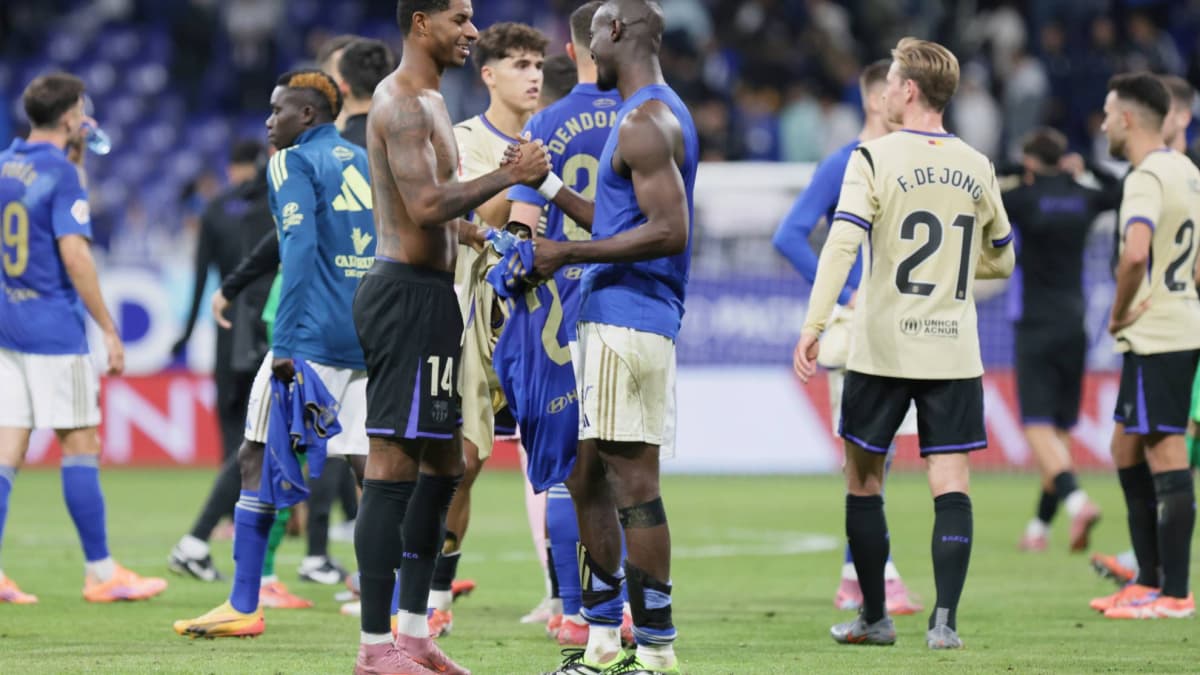
Condenan a un aficionado a 9 meses de prisión por insultos racistas a Rashford
Tennessee baseball will face Kentucky in a three-game series starting Friday at Kentucky Proud Park. The series coincides with the Kentucky Derby, with Game 2 scheduled just before the race on Saturday.
See every story in Sports — including breaking news and analysis.
Dončić is far from a perfect player. He argues with refs, confronts opponents, is suspect on defense and has a propensity for hero-ball and, yes, is prone to niggling injuries. But the extra weight he carried – for an athlete mind you, not for a guy off the street – was seen as a symbol of his flaws. Just like the manosphere influencers, the basketball world portrays his supposed physical imperfections as proof of some internal failing.
But the Red Pill race is unwinnable: there’s always one more bodybuilding supplement to buy, one more luxury car to show you’ve made it to the top of the pyramid. And this twisted logic is played out more widely in how Dončić is viewed. At the start of this season, there was a frenzy after he appeared on the cover of Men’s Health displaying the kind of body we were told he should have had all along. He went on to play like a demon, leading the NBA in points per game.
But even then, Dončić could not win. In February, on The Hoop Collective podcast, Tim MacMahon discussed the Lakers’ problems this season, saying: “If there’s a ‘blame pie’, [Dončić] can have a slice of it, but there’s plenty to go around.” His co-host, Brian Windhorst, joked: “Luka likes pie.” There was still gossip about a custody battle with his former partner over their children. Then, when Dončić strained his hamstring as the playoffs approached, and reportedly scoured Europe for a cure, the narrative flipped from “he’s lazy” to “he’s too driven”. The injury brings the vultures back to the carcass. If he rushes back and fails, they will blame his “conditioning”. If he stays out to protect his future, they will blame his “heart”.
Which brings us back to the man in Miami. He is attracted to figures like Tate because he wants to be seen. He is told he can gain worth and value if he just works hard, gets ripped and keeps grinding. But even a millionaire athlete can’t win that war in the modern landscape. In sports, out of sports, people are drifting apart. To make it worse, we don’t even have a common language to talk about any more. Everything has become a political statement. Look at Dončić. He can weave through double teams and control the entire court, yet we get stuck arguing about his body fat. Yapping about his relationship troubles.
In that sense, the manosphere and the sports mainstream are not so far apart. In both, value is something that must be constantly demonstrated – and is just as easily called into question.