
SoccerTransfer
Mainoo signs new Man Utd contract
Kobbie Mainoo signs new five-year deal with Manchester United until 2031.
Sky Sports1 min read
Chic Anderson, a renowned horse racing announcer, made a significant mistake during the 1975 Kentucky Derby by misidentifying the winning horse. His error occurred as he announced the race to a national audience.
Mentioned in this story
EVANSVILLE – Most people were nice to Chic Anderson after he made the biggest mistake of his life.
It was May 3, 1975, and the public address announcer at Churchill Downs was doing what he did every spring: watch giant thoroughbreds churn down the backstretch in a whirl of mud and screams at the Kentucky Derby. It was a close race, and as many as four horses had a solid shot.
Then one of the beasts came sprinting from the outside. Squinting in the booth, Anderson thought its jockey was wearing dark brown and tan silks, making the new leader Prince Thou Art. He excitedly relayed the message to the national television audience, but just a few paces before the finish line, something caught in his throat.
"Prince Thou ... no."
He looked again. Those silks weren't tan and brown. They were black and white. He had the wrong horse.
"It's Foolish Pleasure," he said.
The latter went on to win. And even though Anderson righted himself just in time – and the flub was barely noticeable to a casual fan swilling a julep and listening to the broadcast at home – the brief misidentification became national news. It even saddled poor Prince Thou Art with a nickname that would follow the horse for the rest of its life: Prince Thou Ain't.
Anderson fielded more than 100 letters in just a few short days, he later told New York Times sports columnist Dave Anderson, with one woman calling him the most terrible race caller she'd ever heard. But the overwhelming majority were positive. A little girl from Vermont told him she was a huge fan of Prince, and for a few brief seconds, Anderson made the Derby more exciting than it ever had been.
"The amazing thing to me," he said, "is that some people actually thought I couldn't make a mistake."
That's because Anderson rarely did. Across a multi-decade career that saw him call three Triple Crown winners and coin a lasting description of the greatest horse who ever lived, he eventually became the most memorable voice in horse-racing history. And it all started in Evansville.
Chic Anderson
Charles David Anderson was born in the city in 1931, the son of Francis Anderson and Evansville Press sports editor Dick Anderson. After graduating from Bosse High School and enduring stints at Wabash College and the Navy, he followed dad into the family business, taking a similar position at WEHT.
Chic Anderson mistakenly identified the winning horse as Prince Thou Art instead of the actual winner due to a misinterpretation of the jockey's silks.
Chic Anderson is a legendary horse racing announcer known for his work at major events like the Kentucky Derby, particularly for his memorable calls and the infamous mistake he made in 1975.
During the 1975 Kentucky Derby, Chic Anderson misidentified the winning horse while announcing the race, leading to a notable moment in horse racing history.
Chic Anderson hailed from Evansville, Indiana.
Kobbie Mainoo signs new five-year deal with Manchester United until 2031.
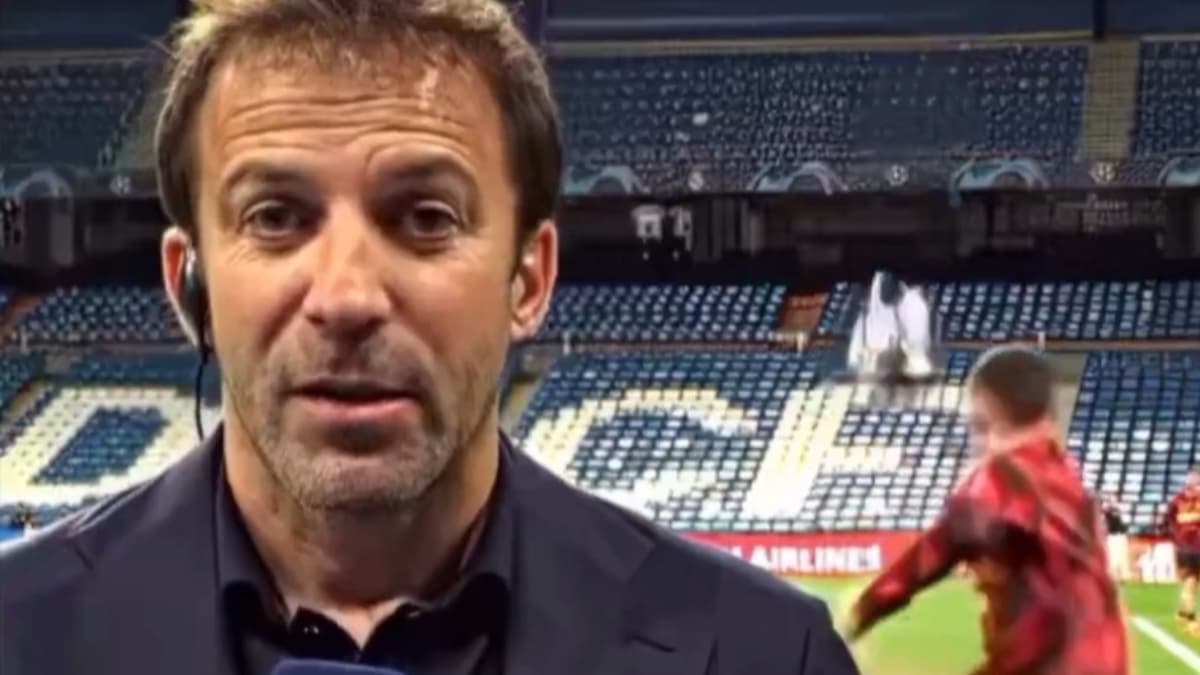
Del Piero, impresionado por la atmósfera del Metropolitano: 'El suelo temblaba'
Diego Pavia signs with Baltimore Ravens, a perfect fit for his NFL journey.
Declan Rice says Atletico Madrid fans provoked referee to overturn penalty for Arsenal
Jack Della Maddalena and Carlos Prates engage in a fierce staredown at UFC Perth!
Auston Matthews of the Maple Leafs is facing trade rumors as the team seeks improvement.
See every story in Sports — including breaking news and analysis.
The station eventually assigned him to call "the race of the day" at Ellis Park.
"His effort was so outstanding that when the position of track announcer became vacant, the track hired Anderson for the job," the Courier & Press wrote years later. "He was an instant hit, and it wasn't long before famous Churchill Downs, home of the Kentucky Derby ... sought his services."
His first Derby came in 1961. But he'd call hundreds if not thousands of races per year, not only at Churchill Downs but at Keeneland in Lexington, Santa Anita in California, and Rockingham Park in New Hampshire, among many others. It left him living out of an assortment of suitcases and racing back to Evansville on off times to catch glimpses of his beloved family.
In 1969, the work paid off. CBS hired him to be the TV voice not only of the Derby, but of the entire Triple Crown run. He eventually watched legends like Seattle Slew and Affirmed complete the gauntlet.
His greatest, and most historic, call came in 1973.
Secretariat stormed through the Derby and Preakness that year. By the time the Belmont rolled around, the giant horse looked like Shaq lined up next to a bunch of eighth-graders. Only one foe stood in his way: Sham.
The 3-year-old could have been a racing legend had he born any other year. Sham's 1:59.8 time at the '73 Derby still stands as the second-fastest finish ever. There was only one other racehorse in the history of the world who could have beaten him – and in a case of horrific luck, that horse happened to be standing right next to him.
As the Belmont leapt off, the two were shoulder-to-shoulder. They shot ahead of the rest of the field with ease, a pair of Harleys against a sea of mopeds.
Then it happened. As if a mechanic dropped out of a helicopter and strapped an engine to the horse's hide, Secretariat vanished. His lead ballooned so much that the cameramen had to pan back to catch a glimpse of the other animals.
Nothing like that had ever happened in such a prestigious race, and Anderson described it with a quip that became part of sports history: "Secretariat is widening now. He's moving like a tremendous machine!"
That call rang in Belmont officials ears, and in May 1977 the New York Racing Association made Anderson their official track announcer. That allowed he and his family to settle down for the first time in years, buying a house in Long Island.
On March 24, 1979, while shaving in front of his still-new bathroom mirror, he suffered a heart attack and died later that day. He was only 47 years old.
He was survived by his wife Marsha and their five children. Eventually they brought him home to be buried in Evansville. The back of his tombstone shows horses thundering through Churchill Downs.
"World's greatest thoroughbred racing announcer," the inscription reads. "Husband, father."
Information from the Evansville Courier & Press archives.
This article originally appeared on Evansville Courier & Press: Kentucky Derby: Race's most famous announcer came from Evansville