
Sports
Egan Bernal, el campeón está de vuelta: “El podio lo miro de otra manera”
Egan Bernal está de vuelta en el Giro de Italia y comparte su nueva perspectiva sobre el podio.
Marca1 min read
A third-party arbitrator ruled against 18 Nebraska athletes in their NIL bid worth millions, stating that their proposals lacked clear market justification. The decision is final and binding, but athletes can submit revised deals for review.
Mentioned in this story
An arbitration ruling sent a clear message Monday: NIL deals that push boundaries without clear market justification won’t move forward.
On May 11, a third-party arbitrator ruled the College Sports Commission properly applied the rules and parameters of the House settlement in deal proposals involving University of Nebraska athletes and the school’s multimedia rights partner, PlayFly.
The 18 Nebraska athletes had retained the legal services of national firm Husch Blackwell as they fought to have their NIL proposals granted, which had been valued in the millions according to multiple reports and people familiar with the Cornhuskers' case.
The arbitrator’s ruling is a “final, binding decision” that does not leave an option to appeal. However, the Nebraska athletes may “submit revised third-party NIL deals that comply with the rules for the CSC’s review.”
CSC revealed the arbitrator’s judgment in a late-afternoon release.
“We are pleased with the arbitrator’s decision to affirm the CSC’s fact-based application of the rules,” CSC CEO Bryan Seeley said in a statement obtained by USA TODAY Sports. “This process shows the system is working as intended: a decision we made was challenged and a neutral arbitrator assessed the facts to inform a final decision.
“We hope and expect that the student-athletes will submit new deals that comply with the rules, so we can promptly review them.”
While the overall ruling is a win for the CSC, the arbitrator did not rule for either party on the actual rates of payment for the Nebraska student-athletes. The absence of tangible NIL plans precluded the arbitrator from determining if the proposed rates were in line with fair-market value.
The CSC noted in its release not only had the third-party arbitrator ruled in support of the group’s application of rules for vetting third-party NIL deals but that it also found the proposed deals between PlayFly and Nebraska had a “lack of a valid business purpose” and also represented “a violation of the rule against warehousing NIL rights.”
PlayFly was deemed an “associated entity” for Nebraska in a case that had been monitored closely by other institutions and their MMR partners such as JMI Sports and Learfield, in addition to PlayFly.
The arbitration ruling denied the NIL proposals of 18 Nebraska athletes, stating they did not meet market justification requirements.
The Nebraska athletes were represented by the national law firm Husch Blackwell during the arbitration process.
The athletes can submit revised third-party NIL deals that comply with the rules for review by the College Sports Commission.
The ruling emphasizes that NIL deals must have clear market justification, setting a precedent for future proposals in college sports.
Egan Bernal está de vuelta en el Giro de Italia y comparte su nueva perspectiva sobre el podio.
New Boston Huron girls soccer secures third straight Huron League title!
Wild one game from elimination after 5-2 loss to Avalanche in Game 4
Check out the Cincinnati and Northern Kentucky high school sports scores from May 11-17!
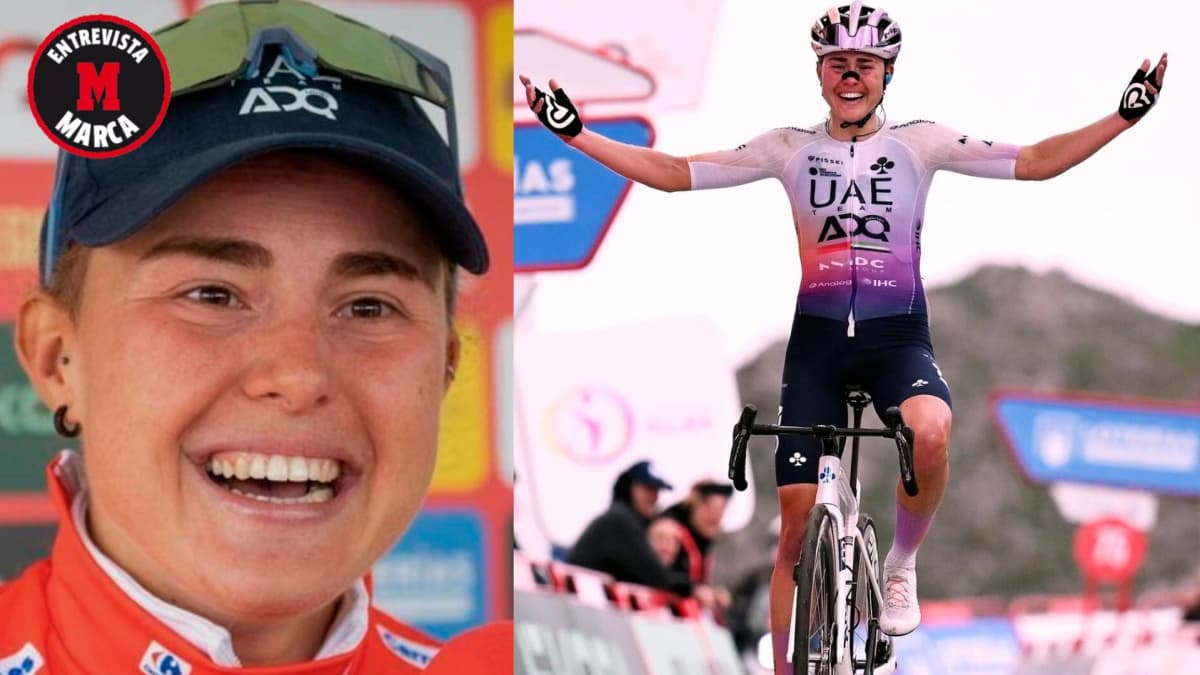
Paula Blasi, la pionera del ciclismo, busca ganar el Tour o el Mundial.
Michelle Payne makes history as the first female jockey to win the Melbourne Cup!
See every story in Sports — including breaking news and analysis.
Also, the proposed deals that were to be paid for by PlayFly were ruled to “not satisfy the Valid Business Purpose rule as they did not include goods or services offered to the general public for profit.”
Additionally, the CSC noted, the arbitrator’s finding regarding the “warehousing” of the student-athletes’ NIL rights rather than “direct activation” was essentially cataloging their images for potential use in the future but without an outlined plan for definitive application.
Both the NCAA and CSC had issued their response to the initial filing on Monday, May 4, in the United States District Court of Northern California.
In that filing, the NCAA’s response from its defendant attorneys contended “the parties also agreed that it would undermine the transformative Benefits Pool structure established by the Settlement, and the competitive balance it sought to create if student-athletes could receive payments by the affiliated parties that are characterized as NIL but, in reality, are just pay-for-play compensation from a third party.”
Seeley in a legal declaration filed the same day also weighed in on the MMRs’ associated status and intertwined workings within athletics departments.
“Institutions have made arrangements with institution-affiliated third parties (including but not limited to MMRs and apparel companies) to divert money into ‘NIL pools,’” Seeley wrote, “wherein the third party reallocates corporate sponsorship dollars, which otherwise would be paid to schools, to specified student-athletes through manufactured NIL deals – all as part of the recruitment and retention of student-athletes.”
USA TODAY Sports has reached out to Husch Blackwell for comment on the arbitrator’s ruling.
This article originally appeared on USA TODAY: Arbitrator affirms CSC decision in Nebraska‑PlayFly NIL case