Sports
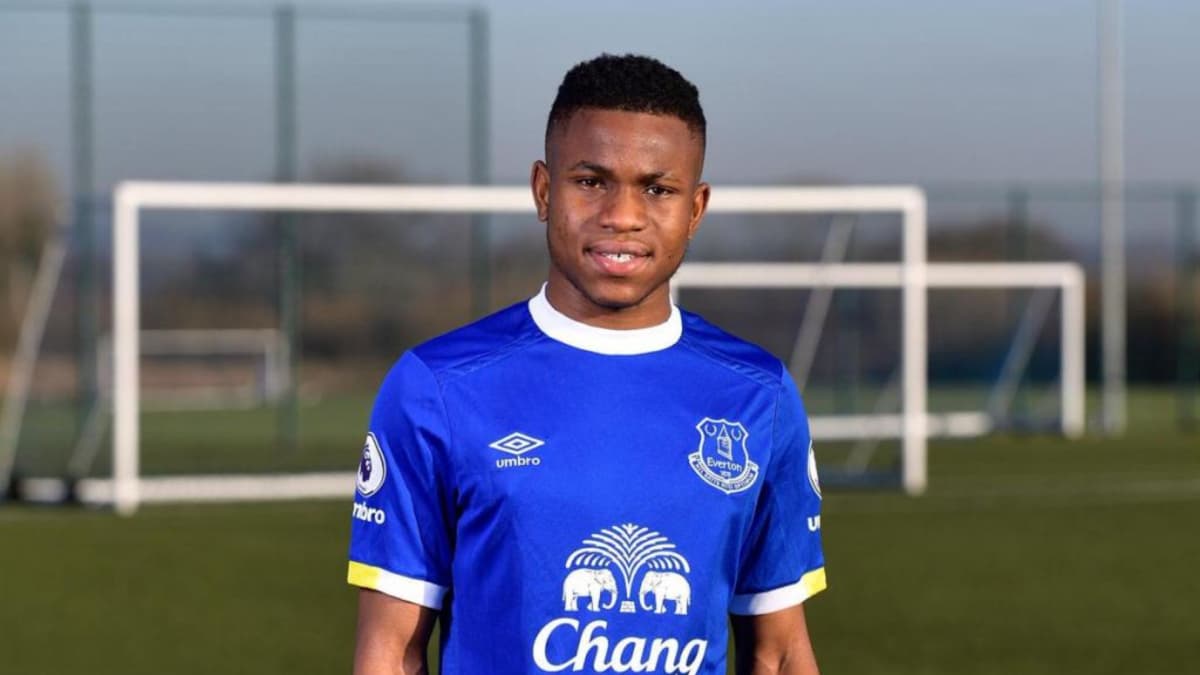
Lookman, el eterno imposible del Arsenal
Lookman sigue siendo un objetivo inalcanzable para el Arsenal.
Marca1 min read
The NFL Draft has transformed from a television event to a massive in-person experience since moving from New York to Chicago in 2015, with attendance skyrocketing to hundreds of thousands. Cities like Detroit and Pittsburgh have set new attendance records, showcasing the draft's evolution into a major fan event.
The NFL Draft used to be a television event. That was the whole idea, the entire design of it. You sat at home on a Thursday night in April, watched Roger Goodell walk to the podium in a suit, and found out where your team’s future was headed. Maybe you had friends over. Maybe you ordered pizza. But you did not travel. You did not camp outside overnight. You did not stand in a crowd of hundreds of thousands of strangers in a city that had transformed its entire downtown into a stage for the occasion. That was not what the draft was. It was a broadcast, not a destination.
Then the NFL made a decision that changed everything. In 2015, the league moved the draft out of New York for the first time, taking it to Chicago. Two hundred thousand people showed up. The league looked at that number and understood immediately that it had been leaving something on the table for decades. The draft was not just a transaction where teams selected players. It turned out to be an experience that fans desperately wanted to be part of in person. They wanted the noise, the crowd reactions, the live announcements, the festival atmosphere that no television broadcast could replicate. They wanted to be there when their team made the pick.
MORE: The biggest United States Championship upsets ever
What followed is one of the more remarkable growth stories in modern American sports. The numbers climbed almost every year, absorbed a pandemic, recovered faster than expected, and then exploded in ways that even the most optimistic projections at the NFL offices could not have anticipated. A small city in Wisconsin matched the attendance of a landmark Nashville event from six years earlier. Detroit shattered every record that existed. Pittsburgh came along two years later and shattered Detroit’s. The NFL Draft went from a room full of scouts and executives to the league’s largest recurring fan event in just over a decade.
The first year the draft left New York and went on the road, Chicago proved immediately that fans would travel for it. 200,000 people showing up to a draft was a statement the league did not miss. Nobody knew yet what the event was capable of becoming, but the number was impossible to ignore and the decision to keep moving it around was made quickly.
The second straight year in Chicago brought 25,000 more people than the first. The formula was working and the league knew it. Back-to-back years in the same city gave organizers a chance to build on what they had learned, and the modest growth, compared to what came later, confirmed the direction.
Philadelphia is one of the most passionate football cities in the country and the fans showed up accordingly, pushing the number to a quarter million for the first time. The Eagles faithful are known for showing up loudly for everything, and the draft was no exception. A quarter of a million people was a new benchmark and a sign that the right city could push the number significantly higher.
A slight dip back to the 2015 number, but 200,000 people attending a draft event in any city is still a remarkable figure by any standard, given what this event had become. Dallas has one of the largest NFL fan bases in the country, and the event was well attended. The slight drop did nothing to slow the league’s enthusiasm for the road draft format.
SEE ALSO: Ranking the most watched Masters rounds in golf history
This is where everything changed. Nashville nearly tripled the previous year’s number and announced to the entire sports world that the NFL Draft had become something genuinely different. 600,000 people over three days in a mid-sized city was a number that stunned even the people running it. Nashville embraced the event with an energy that turned it into a full-scale festival, and the attendance reflected exactly that. The draft would never be thought of the same way again after this weekend.
The pandemic took the crowd away entirely. The 2020 draft was held virtually, with coaches and general managers making picks from their living rooms and Goodell announcing selections from his basement. There was no attendance figure because there was no event to attend. The absence of a crowd made the 2019 number feel even more extraordinary in retrospect, and the entire sports world spent that April wondering when something resembling normal would return.
The first in-person draft after the pandemic brought a cautious, reduced crowd to Cleveland. 160,000 was the lowest attended in-person draft on this list, but given the circumstances, getting 160,000 people back in one place was its own kind of achievement. Capacity was limited, protocols were in place, and the league was simply relieved to have fans back at all. Cleveland delivered a warm, enthusiastic crowd that made the return feel genuine.
Las Vegas was always going to draw a crowd, and 300,000 people confirmed it. The city’s entire infrastructure exists for large-scale events, its appetite for spectacle is unmatched, and the draft fit into that ecosystem naturally. The number nearly doubled Cleveland’s and pushed the event back into the territory Nashville had established three years earlier. Vegas reminded everyone what the draft could be when the setting matched the ambition.
A modest but meaningful increase over Las Vegas, Kansas City delivered 312,000 attendees and continued the upward trend that Nashville had started four years earlier. The Chiefs were the defending Super Bowl champions at the time and the city was riding an enormous wave of football energy. Union Station served as the main stage backdrop and gave the event a visual identity that played well nationally.
Nobody saw this coming. Detroit shattered every previous record by an almost incomprehensible margin, drawing 775,000 people over three days and making the draft the single-largest attended NFL event in history at the time. Opening night alone drew 275,000 fans, a single-day record at the time. The city embraced it completely, the downtown came alive in a way that drew national media attention, and the country took notice. Detroit had something to prove, and it proved it in the most emphatic way available.
Green Bay is a small city by NFL standards, home to about 100,000 people, and it drew 600,000 draft visitors. That ratio is staggering. It matched Nashville’s landmark 2019 number and confirmed that the draft does not need a major metropolitan area to succeed. It needs the right city with the right passion. Lambeau Field as the backdrop gave the weekend a setting unlike any other in draft history, and Packers fans showed the rest of the league what devotion to a football team actually looks like when given a stage.
The record fell again, and convincingly. Pittsburgh drew 805,000 people over three days around Acrisure Stadium and Point State Park, surpassing Detroit’s record by 30,000 fans and setting the highest attendance figure in NFL Draft history. Thursday’s first round alone drew 320,000 fans, a new single-day record that broke Detroit’s 275,000 from 2024. Commissioner Roger Goodell had challenged the city on Day 3 to push past the overall record despite rain, and Pittsburgh delivered. Most of the crowd came dressed in Steelers black and gold, waving Terrible Towels, turning the event into something that looked more like a home playoff game than a draft weekend.
In 2015, 200,000 people came to the draft. In 2026, 805,000 did. That is a fourfold increase in eleven years, with a pandemic interruption in the middle. The trajectory, apart from the 2020 pause and the cautious 2021 return, has been almost entirely upward. Nashville in 2019 was the first sign that this event had outgrown expectations. Detroit in 2024 was the moment it became undeniable. Pittsburgh in 2026 confirmed that Detroit was not a ceiling. It was a checkpoint. The NFL Draft is now one of the most attended recurring events in American sports, and the list of cities willing to host it and the fans willing to travel for it suggest it is nowhere near done growing.
NFL Draft attendance has significantly increased, with hundreds of thousands attending in recent years compared to a much smaller audience before 2015.
The NFL Draft moved from New York to Chicago in 2015, marking a pivotal change in its format and attendance.
Detroit and Pittsburgh have set new attendance records for the NFL Draft, with Pittsburgh breaking Detroit's record in recent years.
The growth in NFL Draft attendance is attributed to the desire for a live, festival-like atmosphere and the NFL's decision to host the event in different cities, making it more accessible to fans.
Lookman sigue siendo un objetivo inalcanzable para el Arsenal.
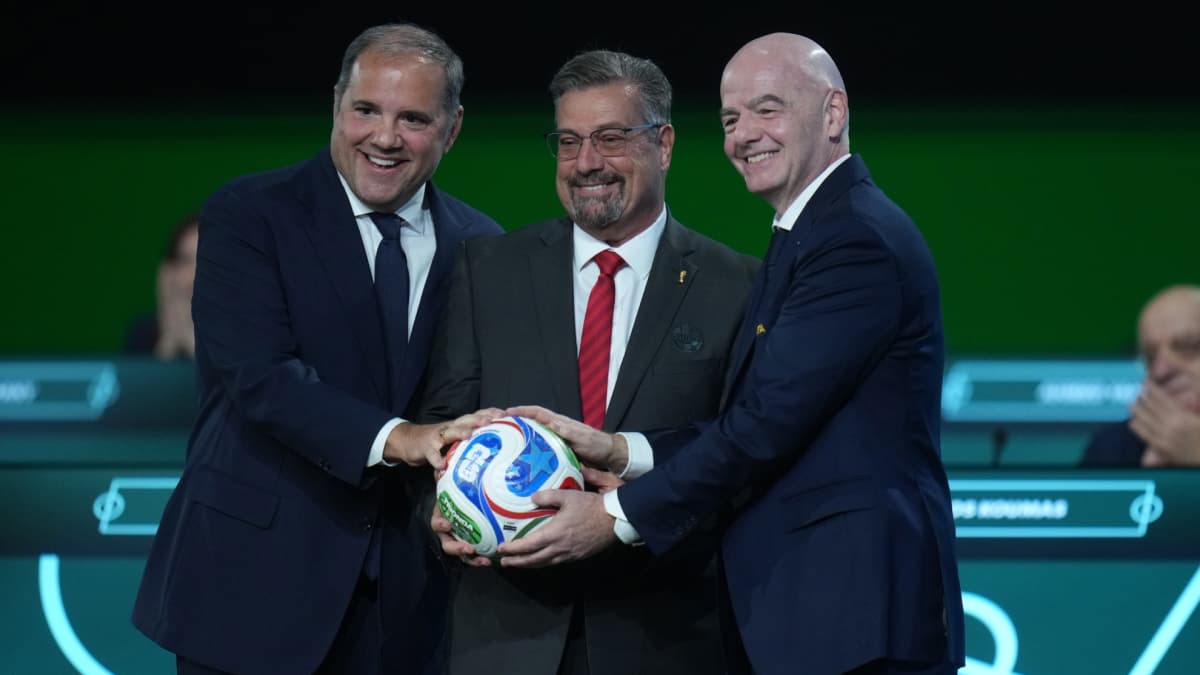
La FIFA aún no ha definido los derechos televisivos del Mundial 2026 en China e India. Ambos países siguen a la espera de información sobre la retransmisión del evento.
Andrea Iannone returns to racing in the Harley-Davidson Baggers World Cup!
Joe Thomas shares a pivotal moment from his Hall of Fame career on Badger Connect.

Avalancha en el Everest: colapsa un serac y dos heridos
See every story in Sports — including breaking news and analysis.