Sports
"Es la mayor atrocidad e injusticia que se ha cometido con un equipo en el fútbol español"
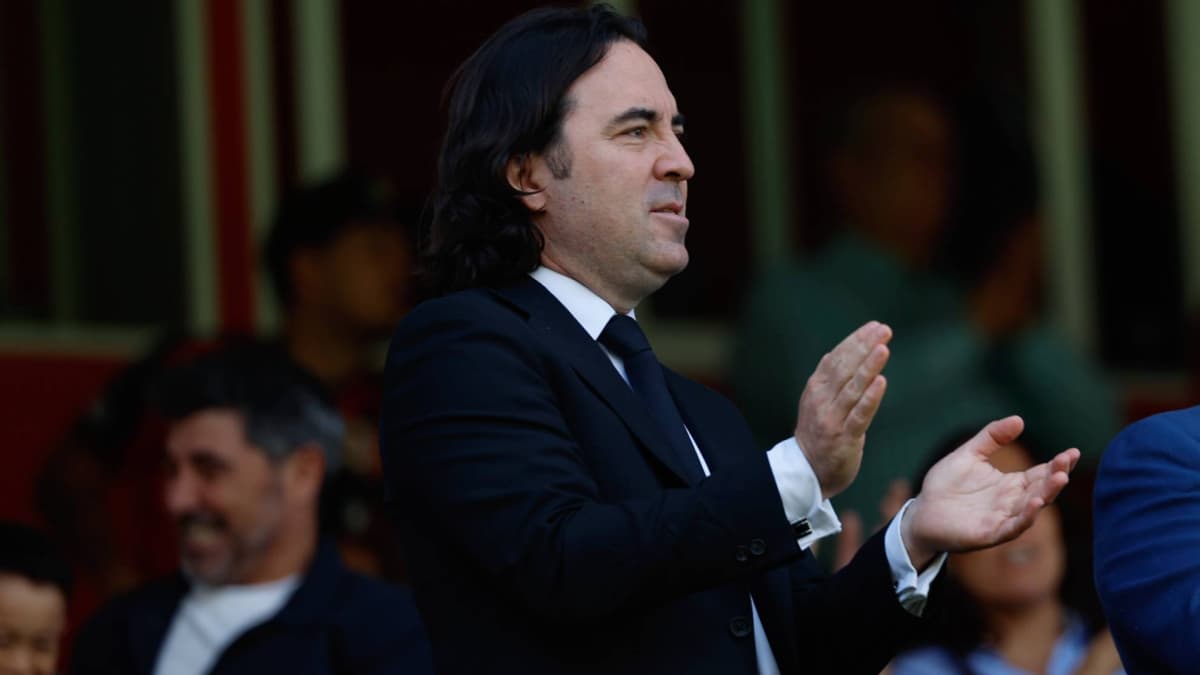
Raúl Martín Presa del Rayo Vallecano denuncia una gran injusticia en el fútbol español.
Marca1 min read
The 2026 NFL Draft has concluded, leading to significant changes in team rosters and power dynamics. Teams are now ranked based on their draft performance and readiness for the upcoming season.
The NFL offseason always brings optimism, but nothing reshapes the league quite like the draft. With the 2026 NFL Draft now in the books, every team has added new talent, filled key needs, and, at least on paper, taken a step forward. From franchise-altering picks at the top to potential steals in the later rounds, the league’s landscape has already begun to shift.
But not all improvements are created equal. Some teams look ready to contend immediately. Others are still building. And a few may have taken a step back. With that in mind, here are the NFL power rankings following the 2026 NFL Draft, as we sort through the hype, the fits, and what it all means heading into the season.
MORE: NFL Draft grades for biggest winners and losers
32) Miami Dolphins. Drafted like they’re trying to patch structural leaks up front and in the middle, but they still didn’t add enough proven firepower to scare anyone on Sundays.
31) Arizona Cardinals. Leaned hard into skill talent and identity, but the draft didn’t do enough to fix the adult problems – protection consistency, front-seven teeth, and a secondary that can survive real quarterbacks.
30) New York Jets. Spent capital like they’re one draft away from relevance, yet still didn’t land the clean offensive structure pieces that stop weekly chaos. It’s upgrades, for sure, without a plan.
29) Las Vegas Raiders. Took the big swing at direction and added defensive flexibility, but they didn’t fully solve 2026 – trench depth and offensive stability still look like a work-in-progress.
28) Cleveland Browns. Drafted smart around the offense – line help and skill support – but the class can’t fix the biggest limiter if the quarterback situation stays volatile, and that’s the reality.
Jonathan Taylor
27) Indianapolis Colts. Added useful pieces, but the draft didn’t address premium pass-rush need with enough urgency – fine work, though not season-altering.
26) New Orleans Saints. Addressed offensive speed and tried to balance the trenches, but the draft didn’t give them enough high-end stabilizers to raise the weekly floor – still too dependent on everything going right.
25) Pittsburgh Steelers. Added help now pieces, but didn’t come out with a clear identity shift – same story, same questions, just new names on the depth chart.
24) Tennessee Titans. Drafted like they’re tired of being soft – speed, pressure, physicality – but the offense still feels incomplete, and the risk level is high if the pieces don’t hit fast.
23) Atlanta Falcons. Found some utility, but didn’t meaningfully change the franchise direction – this was more fill cracks than build a contender.
22) Carolina Panthers. Invested in the trenches, which is the correct move. But didn’t add enough immediate difference-makers to change outcomes in 2026. Tough doesn’t automatically mean good.
21) Washington Commanders. Drafted defense-first with real intent and tried to raise the unit’s athletic floor – the only problem is they still need the offense to be competent.
20) Tampa Bay Buccaneers. Cleanly addressed pressure and second-level speed, which actually matters in 2026. The draft made them harder to play against for sure.
19) New York Giants. Built the team the right way – trench strength and coverage depth. The draft finally looks like a serious roster plan instead of vibes and desperation.
18) Minnesota Vikings. Focused on defensive structure and interior toughness, which was needed. But they didn’t add enough explosive game-changers. Sturdy, not scary.
17) Green Bay Packers. Worked the defensive athleticism and depth angles, but the draft didn’t deliver a headline fix for the offense. They’re still betting on internal development to do the heavy lifting.
16) Los Angeles Chargers. Addressed pressure and offensive stability, which raises the weekly floor. They’re better built, but not yet built to intimidate top teams.
15) New England Patriots. Drafted with grown-up priorities – protect the quarterback and hunt the quarterback. And that’s how you climb without needing cute tricks.
14) Houston Texans. Went trench heavy and reduced roster fragility. The kind of draft that shows up in October when other teams are leaking points and protection.
13) Jacksonville Jaguars. Added functional bodies and improved the weekly floor. The issue is still execution and consistency, not talent access.
12) San Francisco 49ers. Drafted more offensive ammo and stayed true to the roster identity. Their success is still about health and finishing.
11) Dallas Cowboys. Treated defense like an emergency and actually invested accordingly. The draft was a direct correction, and the roster looks more complete because of it.
10) Detroit Lions. Addressed the two things that decide games – protection and pressure. That’s smart roster math. The only knock is that the margin is thinner now, so misses get punished fast.
9) Chicago Bears. Drafted like a team that expects to win now – secondary stability and practical line help. But they still left room for criticism if the pass rush doesn’t become more disruptive.
8) Cincinnati Bengals. Drafted to make the defense less of a liability, which is all they really need with their offense. If the defensive investments hit, they’re a weekly problem again.
7) Kansas City Chiefs. Reloaded the defense and stayed disciplined, which is why they keep staying at the top while everyone else cycles. The only real gripe is they didn’t force-feed offensive help early.
6) Buffalo Bills. Built more defense and kept the identity intact – smart, predictable, effective. The question is whether they added enough ceiling-raisers, not whether they got better.
Philadelphia Eagles quarterback Jalen Hurts
5) Philadelphia Eagles. Restocked with purpose – trenches and flexible weapons – and the draft reinforced what already makes them hard to beat. They didn’t reinvent anything; they just got stronger where it matters.
4) Baltimore Ravens. Drafted to be more oppressive up front and more stable overall. Baltimore didn’t chase headlines; they chased control.
3) Denver Broncos. Didn’t need fireworks; they needed to maintain a strong roster structure and avoid weak links. The draft stayed in that lane. If the quarterback play holds, they’re still a real AFC threat.
2) Los Angeles Rams. Drafted for the future without sacrificing the present. Which only works when the roster is already strong… and it is. The draft keeps the machine running.
1) Seattle Seahawks. Drafted like champs – maintain the roster spine, keep the depth real, avoid desperation. Until someone proves otherwise on the field, they’re still the standard, and everyone else is just debating tiers.
— Enjoy free coverage of the top news & trending stories on The Big Lead—
The NFL power rankings reflect the changes in team strength and potential based on their draft performances, with some teams positioned to contend immediately.
Teams that made franchise-altering picks or filled key needs are generally viewed as having improved the most after the 2026 NFL Draft.
The draft allows teams to add new talent and address weaknesses, shaping their strategies and expectations for the upcoming season.
NFL power rankings post-draft consider the quality of draft picks, team needs addressed, and overall roster improvements.
Raúl Martín Presa del Rayo Vallecano denuncia una gran injusticia en el fútbol español.
Real Madrid opens discussions with Toni Kroos about a potential return to the club.
Mel Kiper Jr. doesn't understand the hate for Shedeur Sanders
Shohei Ohtani suffers his first loss with the Dodgers, citing a tough fifth inning.
Texans reward Pro Bowl LB Azeez Al-Shaair with three-year extension
Seattle Mariners' shaky start shouldn't worry fans, experts say.
See every story in Sports — including breaking news and analysis.