Sports
Pique, sancionado... ¡e inhabilitado!
Marca
Ohio State is transitioning into the offseason with a strong NFL Draft performance and significant takeaways from the spring game. The program is focused on reload rather than reset, aiming for another championship run.
Wide receiver Chris Henry Jr. (15) catches a pass over safety Leroy Roker III (10) during the Ohio State football spring game at Ohio Stadium in Columbus on April 18, 2026. | Adam Cairns/Columbus Dispatch / USA TODAY NETWORK via Imagn Images
Ohio State isn’t just moving into the offseason, it’s defining it.
Between a massive NFL Draft showing, meaningful spring game takeaways, and continued roster movement across both football and basketball, the Buckeyes are firmly in transition mode. But this isn’t a reset. It’s a reload, and the early signs suggest Ohio State is positioning itself for another run at the top.
The headline is simple, Ohio State dominated the NFL Draft. Four first-round picks and 11 total selections reinforced what the program has become, the most consistent pipeline of NFL-ready talent in college football. Carnell Tate went No. 4 to the Titans, Arvell Reese followed at No. 5 to the Giants, Sonny Styles landed at No. 7 with the Commanders, and Caleb Downs went No. 12 after the Cowboys traded up.
And it didn’t stop there. Kayden McDonald, Max Klare, and Davison Igbinosun all came off the board on Day 2, with additional contributors like Caden Curry and rounding out the class.
The spring game highlighted the team's roster depth and performance, particularly showcasing wide receiver Chris Henry Jr.'s skills.
Ohio State set a high standard in the NFL Draft, demonstrating its ability to produce top talent for professional football.
The ongoing roster movement suggests that Ohio State is strategically reloading its team to remain competitive for the next season.
Ohio State's strategy emphasizes a reload approach, aiming to maintain its status as a top contender in college football.
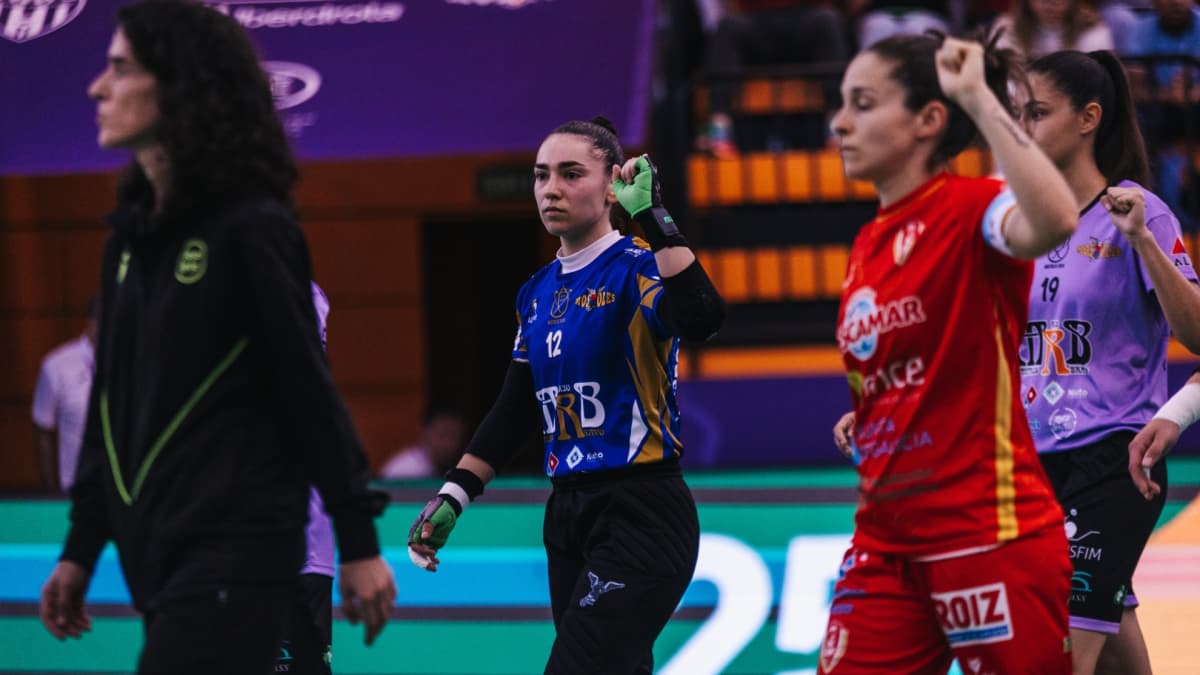
Las jugadoras de la Copa de la Reina se plantan ante horarios perjudiciales


Should the Patriots re-sign Stefon Diggs after his not guilty verdict?
Analyzing Yainer Diaz's performance and injury impact
See every story in Sports — including breaking news and analysis.
This wasn’t just about numbers. It was about top-end talent. Ohio State didn’t just produce draft picks, it produced cornerstone players. And that matters as much for recruiting as it does for perception. The standard in Columbus isn’t just getting players to the league anymore. It’s getting them there early and often.
Spring football didn’t answer everything, but it revealed plenty. At quarterback, Julian Sayin showed flashes but had limited reps, while TSC had a more volatile performance, high highs mixed with clear inconsistency. The takeaway is potential is there, but the position still needs clarity.
At running back, injuries limited evaluation. Top options like Bo Jackson and Isaiah West didn’t play, leaving more opportunities for depth players. Favour Akih saw significant usage and looked solid, but his size raises questions about how large his role can realistically be this season. Ja’kobi Jackson, meanwhile, showed enough to suggest he could factor into the rotation.
Wide receiver remains one of the most fascinating groups. Chris Henry Jr. stood out again, continuing his strong offseason momentum. The initial trio of Jeremiah Smith, Brandon Innis, and Devin McCuin was notable, and McCuin’s role is worth watching closely. There’s a real case that he could finish second on the team in receptions.
At tight end, Nate Roberts continues to trend toward TE1. The staff has shown confidence in him, and his versatility gives him a real chance to lead the room from Day 1.
The offensive line was difficult to fully evaluate due to injuries, but one thing stood out clearly, the defensive line dominated. Kenyatta Jackson Jr. consistently disrupted the front, highlighting both his growth and the potential strength of that unit.
If there was one clear takeaway from the spring game, it was this. The defensive line might already be ahead of schedule.
The starting group of Kenyatta Jackson Jr., Eddrick Houston, Will Smith Jr., and Beau Atkinson set the tone early, and the edge rotation looks deeper than expected. With players like Qua Russaw in the mix, there’s a real argument that this group could exceed expectations.
At linebacker, things remain fluid. With Pettijohn out, the starting group of Christian Alliegro, Pierce, and Alford got extended run. Alliegro and Pierce may have a slight edge heading into the summer, but this battle is far from decided.
In the secondary, the structure is becoming clearer. Devin Sanchez looks like CB1, with Jermaine Mathews Jr, Jaylen McClain, and Terry Moore rounding out the starting group. Sanchez, in particular, looks like a breakout candidate with true lockdown potential.
Off the field, momentum continues to build. Ohio State added four-star offensive tackle Jimmy Kalis, a top-200 prospect from Pennsylvania. The class now sits at 11 commits and ranks among the top groups nationally, continuing the program’s strong recruiting trajectory.
On the basketball side, the transfer portal remains active. Ohio State added depth with Jimmie Williams from Duquesne, who averaged 15 points per game last season, and Curtis Givens III from Memphis, who brings additional guard depth and playmaking.
Like football, the basketball roster is still evolving, but the pieces are starting to come together.
This is what Ohio State looks like in transition. Elite talent leaves, more arrives, and the standard doesn’t drop. The NFL Draft reinforced the program’s ceiling. Spring football revealed where the next strengths could come from. And recruiting plus the portal continue to shape what comes next.
The questions aren’t gone. Quarterback clarity, linebacker roles, and offensive line health all remain key storylines. But the foundation is there. And if the early signals hold, Ohio State won’t just be reloading, it will be right back in the national conversation.