Sports
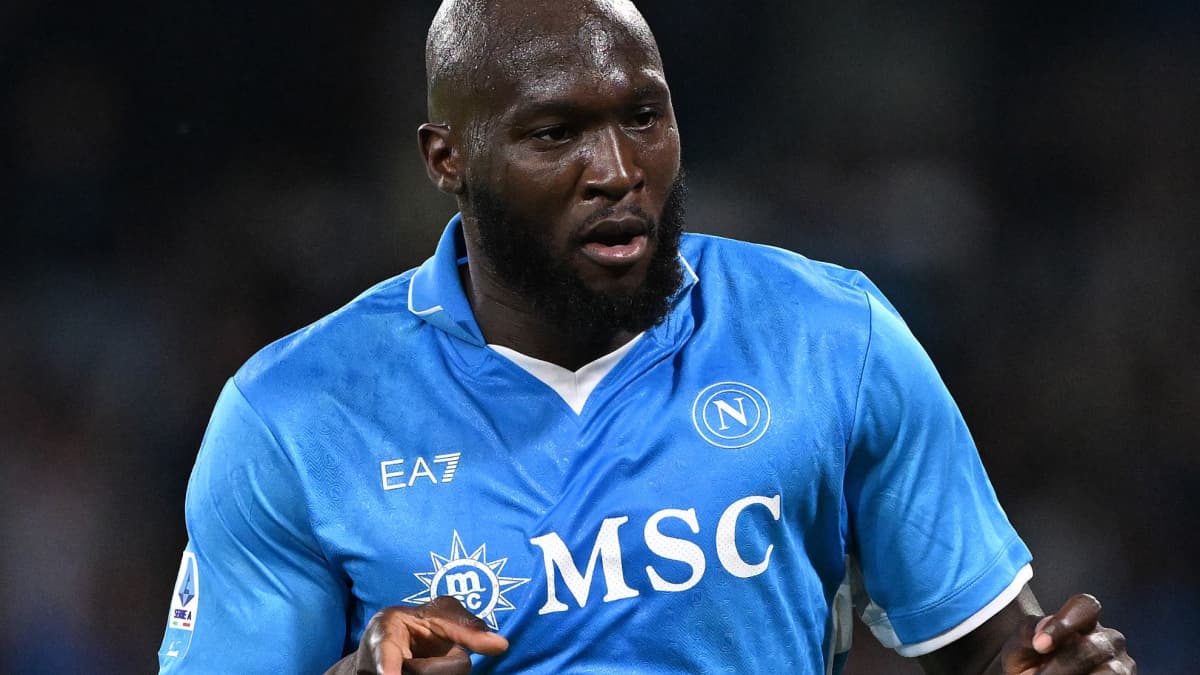
Lukaku vuelve a entrenar con el Nápoles envuelto en polémicas
Lukaku vuelve a entrenar con el Nápoles, pero su regreso genera controversia.
Marca1 min read
The debate over whether Liverpool should sack manager Slot has intensified after a disappointing season, highlighted by a recent 3-2 loss to Manchester United. Key issues include inconsistent performance and tactical flaws.
Mentioned in this story
Opinion: The cases for and against sacking Slot
The debate around whether Slot should remain or be sacked has intensified following a bruising campaign that has left Liverpool well short of expectations. As originally reported by ESPN journalist Beth Lindop, “no sooner had the full-time whistle sounded… than yet another inquest into Liverpool’s troubles was launched on social media.” That line captures the relentless scrutiny now surrounding the Dutchman.
A 3-2 defeat at Manchester United, their 19th loss in all competitions, has become symbolic of a season riddled with inconsistency. Lindop notes that “misfiring forwards, a sluggish midfield and a disjointed defence” have all contributed to a faltering title defence. These are not isolated issues but recurring tactical and structural flaws.
Supporters are increasingly vocal, with one prominent fan account asking, “How can those supporting him still defend him?” It is a sentiment that reflects a wider erosion of faith, particularly as Liverpool have struggled against top-half opposition and failed to demonstrate meaningful improvement.
Photo: IMAGO
Despite the criticism, there remains a compelling argument for Slot to remain in charge. Lindop highlights the most obvious point. “He won the Premier League last season.” That achievement cannot be dismissed lightly, particularly given the competitive landscape.
The main reasons include a series of poor performances, including 19 losses in all competitions, and ongoing tactical and structural issues within the team.
Liverpool's inconsistent performances and recent defeats have led to increased scrutiny and calls for Slot's dismissal among fans and analysts.
Key issues include misfiring forwards, a sluggish midfield, and a disjointed defense, which have all contributed to the team's struggles this season.
The debate was notably reported by ESPN journalist Beth Lindop, who highlighted the scrutiny and discussions on social media regarding Slot's future.
Lukaku vuelve a entrenar con el Nápoles, pero su regreso genera controversia.
McLaren is back at Le Mans with the new MCL-HY, continuing their legacy.
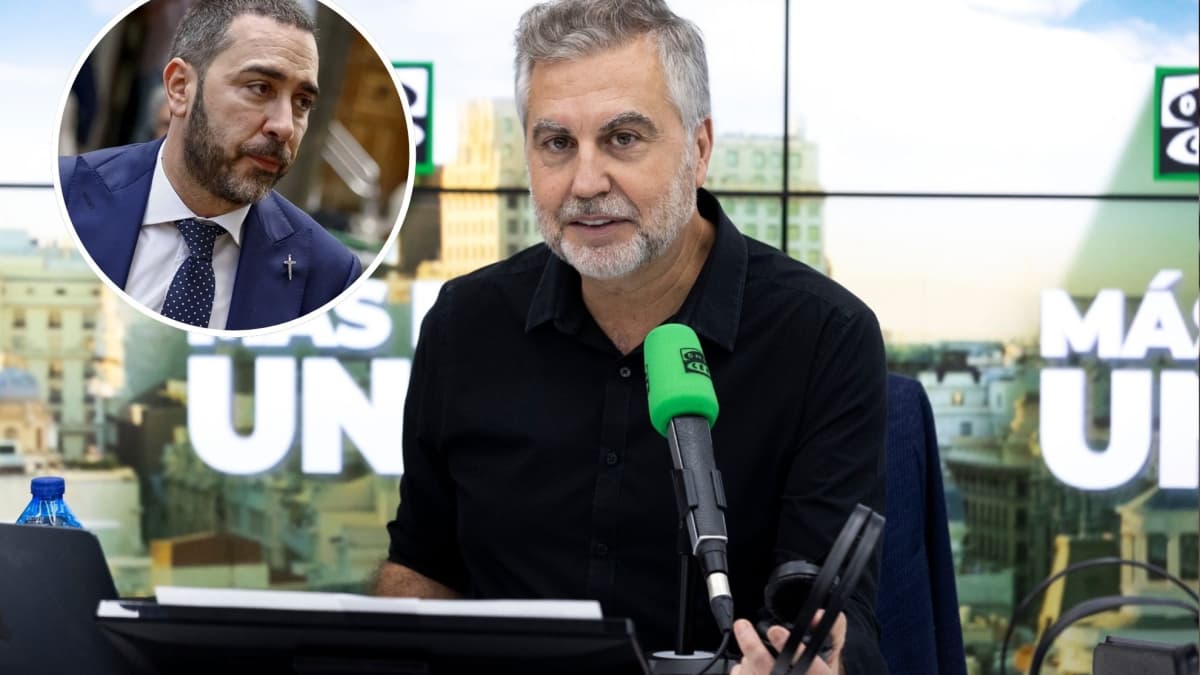
Alsina pide más años de prisión para Aldama por corrupción
Bayern's Kompany channels 'inner tranquility' before PSG showdown
Eagles make roster moves: waive Tucker Large, sign LB Isiah King.
See every story in Sports — including breaking news and analysis.
Liverpool’s title win was not expected. Many predicted decline following the previous managerial era, yet Slot managed to extract peak performances from key players and deliver silverware. Lindop underlines this by pointing out that players such as Ryan Gravenberch, Ibrahima Konaté and Cody Gakpo flourished under his guidance.
There is also the broader context of instability elsewhere. Managerial churn rarely guarantees success. Lindop references historical examples, noting that even elite coaches have struggled to defend titles or build sustained dominance.
Ownership remains supportive, recognising mitigating factors such as injuries and squad imbalance. As Lindop writes, “there has been plenty” of mitigation. Key signings have barely shared the pitch, and positional gaps have persisted throughout the season.
In that sense, the argument for Slot to remain rests on continuity. With a more balanced squad and fewer disruptions, there is a credible pathway back to competitiveness.
Conversely, the case for Slot to be sacked is grounded in performance metrics that are difficult to ignore. Losing 18 matches across competitions is described by Lindop as “a startling number” for a reigning champion.
More concerning is the lack of tactical evolution. Lindop observes that Liverpool “appeared to have no strategy” to counter predictable opposition approaches. Defensive fragility, particularly from set pieces and transitions, has become a persistent weakness.
The numbers away from home are particularly damning. Just two points from a possible 24 against top-half sides paints a picture of a team unable to compete at the highest level. Lindop’s assessment is blunt. Liverpool are “consistently less than the sum of its parts.”
There are also historical parallels. The comparison to previous managerial dismissals following title wins adds weight to the argument. Clubs at this level demand rapid responses to decline, not prolonged rebuilding phases.
Beyond tactics and results, the emotional dimension cannot be ignored. Slot faces the challenge of succeeding a deeply influential predecessor. Lindop writes, “he is not Jürgen Klopp,” a reality that shapes expectations and comparisons.
Connection with supporters has become a critical issue. While his understated style was initially welcomed, it now appears insufficient during adversity. Lindop suggests that his “emotional connection with the fans lacks sufficient depth” to command unwavering loyalty.
Meanwhile, external factors continue to influence the narrative. The availability of high-profile alternatives has only intensified speculation. Fan sentiment, always volatile, has begun to tilt decisively.
Ultimately, the decision comes down to risk tolerance. Retaining Slot offers stability and the possibility of recovery. Dismissing him signals a desire for immediate transformation.
As Lindop concludes, “every manager is beholden to their most recent results.” For Slot, those results have placed him on a precarious edge, caught between proven success and present failure.