Sports
Sophie Cunningham leaves door open for emotional Phoenix Mercury reunion after Indiana comments
Yahoo Sports
The PGA Tour has updated its social media policy to allow golfers greater freedom in posting content. This change aims to enhance players' online presence and support their individual brands while maintaining the Tour's commercial interests.
PGA's new social media policy, explained: Why tour is loosening restrictions on player content rules originally appeared on The Sporting News. Add The Sporting News as a Preferred Source by clicking here.
The PGA Tour has made many changes to its policies over the past few years as the landscape of the golf industry changes. On Friday, that included announcing a more flexible social media policy for golfers.
The Tour updated and added amendments to its social media policy to give golfers more freedom when it comes to posting and creating content on social media. The policy was first created in 2017 and updated in 2021 as golfers found more of an online presence.
"The PGA Tour strives to provide the most athlete-friendly social media guidelines in professional sports," a spokesperson told Front Office Sports. "In order to equip our players as they engage and grow their individual brands—and the PGA Tour's fanbase—while protecting the tour's commercial business for the benefit of the entire membership."
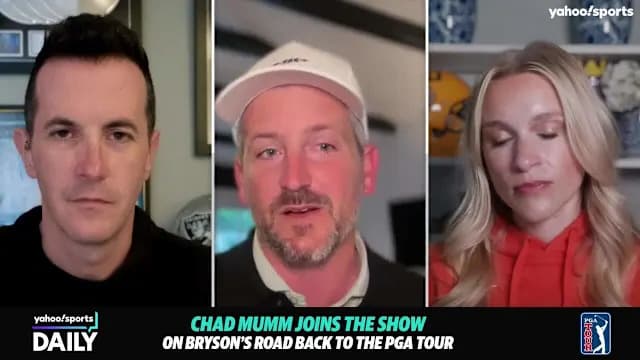
The PGA Tour's social media restrictions are a big talking point regarding the Tour's difference from the LIV Golf league, especially for star golfer Bryson DeChambeau. One reason DeChambeau left the PGA Tour for LIV in 2022 was that DeChambeau wanted more freedom to make content on YouTube, and he has since become one of the biggest star athletes online.
Here's a look at the PGA Tour's new social media policy.
MORE: Bryson DeChambeau may choose YouTube golf over PGA Tour return
According to Front Office Sports, the PGA Tour revealed an updated social media policy on Friday that gives golfers who want to post content on social media more flexibility. The policy improves upon a more restrictive policy that some golfers have criticized in the past.
While the PGA Tour doesn't allow players to commercialize content or broadcast highlights during tournaments or use non-PGA Tour partners during Tour tournaments, the policy does alleviate a few different levels of content creation.
Here's a look at the PGA Tour's social media policy during events.
Golfers are now allowed to post three minutes of content that they created themselves during the tournament, which is an increase from two minutes prior.
On non-competition days during tournaments, like days with practice rounds, golfers do not have any limitations regarding how much content they can produce. This was also the case in the previous policy.
After each round during a tournament, players can post six shots from that round's broadcast and up to one minute of highlights on their social media, an improvement from just one shot in the previous policy.
Golfers can post eight minutes per video, and 120 minutes overall, from a tournament beginning 72 hours after that tournament ends, which is when the tournament becomes archive footage. Previously, golfers were allowed to post five hours per video and 60 minutes overall.
The PGA Tour added a new section to the social media policy regarding monetization on YouTube. Golfers are eligible to get revenue from Google AdSense from content they made during a practice round or Pro-Am event, but the PGA Tour gets revenue using YouTube Content ID from any videos that include competition round content.
Golfers also no longer have to give the PGA Tour ownership of their YouTube channel in order to use broadcast or archive footage. Previously, the PGA Tour would own each golfer's channel as part of a network but paid golfers in ad revenue created from off-site content.
DeChambeau is the biggest online star in golf, as he has over 2.6 million subscribers on his YouTube channel. When he left the PGA Tour for LIV, DeChambeau was able to take advantage of a much looser social media policy to help grow his channel.
While DeChambeau could create content under the PGA Tour's updated policy, especially during practice rounds and off-site, the inability to commercialize his content could be too rigid for the golfer. Additionally, the general amount of PGA Tour approval that comes with the policy could also be an issue with DeChambeau, who wants to have free rein in his content creation.
Therefore, even though DeChambeau is a league free agent after the 2026 LIV season concludes, there is still a barrier between him and a return to the PGA Tour.
The PGA Tour updated its social media policy to provide golfers with more flexibility in posting and creating content.
The Tour aims to support golfers in growing their individual brands and enhancing the Tour's fanbase while protecting its commercial interests.
The PGA Tour's social media policy was first created in 2017 and has since been updated in 2021 and again recently.
The new policy allows players to engage more freely on social media, helping them build their personal brands and connect with fans.
Travis Bazzana hits his first major league homer in Guardians' win over Twins
Hockey roundup: Sandin-Pellikka scores highlight-reel goal; MSU adds assistant coach
See every story in Sports — including breaking news and analysis.