
SoccerRecap
Millwall beat QPR to climb back into second in Championship
Millwall's 2-0 win over QPR puts them back in second place in the Championship!
Sky Sports1 min read
Newcastle United is reportedly considering selling Yoane Wissa, who was signed for £50m this summer, due to his struggles at the club. His declining value raises questions about the club's recruitment strategy and decision-making process.
Report: Newcastle United ready to cash in on £50m summer signing already
Newcastle United’s ambitious rise has rarely lacked drama, but few stories this season feel as instructive as Yoane Wissa’s difficult introduction to life at St James’ Park. Signed in a whirlwind of uncertainty, the forward now finds himself at the centre of a growing debate about recruitment, squad planning, and the risks clubs take when urgency overrides clarity.
According to reporting from iNEWS, Wissa’s value has fallen sharply since his £50m move from Brentford, a deal that insiders now admit was driven by “panic” amid concerns surrounding Alexander Isak. It is a striking admission, one that hints at a rare misstep in an otherwise calculated era under Eddie Howe and the club’s Saudi-backed ownership.
Transfers made under pressure often carry consequences, and Wissa’s situation is quickly becoming a case study. Newcastle’s willingness to pay £50m, plus add-ons, for a player approaching 30 raised eyebrows at the time. That concern now looks justified, with his current valuation reportedly sitting between £15m and £20m.
Newcastle United is considering selling Yoane Wissa due to his struggles at the club and a significant drop in his value since his £50m signing.
The £50m signing of Yoane Wissa was reportedly driven by panic amid concerns about Alexander Isak's situation.
Yoane Wissa has struggled to adapt to life at Newcastle United, leading to discussions about his future with the club.
Wissa's situation highlights potential missteps in Newcastle's transfer strategy, indicating that urgency may have compromised clarity in their recruitment decisions.
Millwall's 2-0 win over QPR puts them back in second place in the Championship!

Derby County secures a vital 1-0 win over Oxford United, keeping play-off dreams alive.
Lauren Stockley and Charlie Searle qualify for Hyrox World Championships in Stockholm!
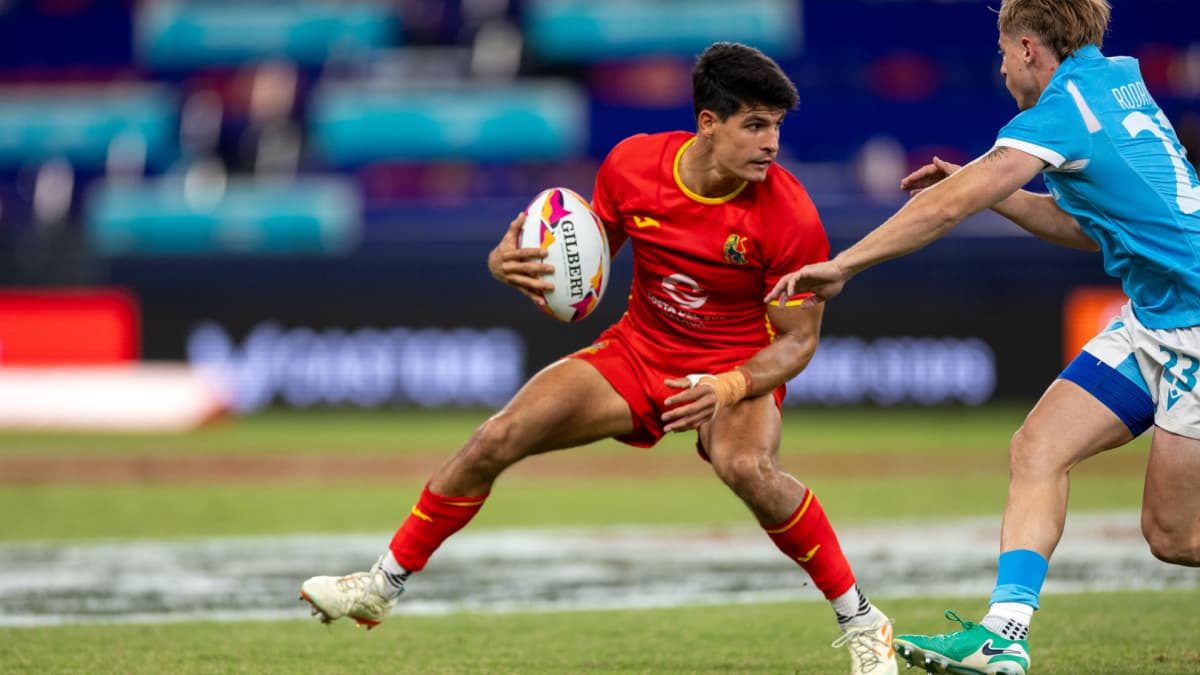
España vence a Australia y avanza a semifinales en Hong Kong. ¡Próximo rival: Argentina!
Florida's 7-foot-9 Olivier Rioux is joined in the transfer portal by 7-foot-5 Gabe Dynes from USC. Teams seeking tall players now have new options to consider.
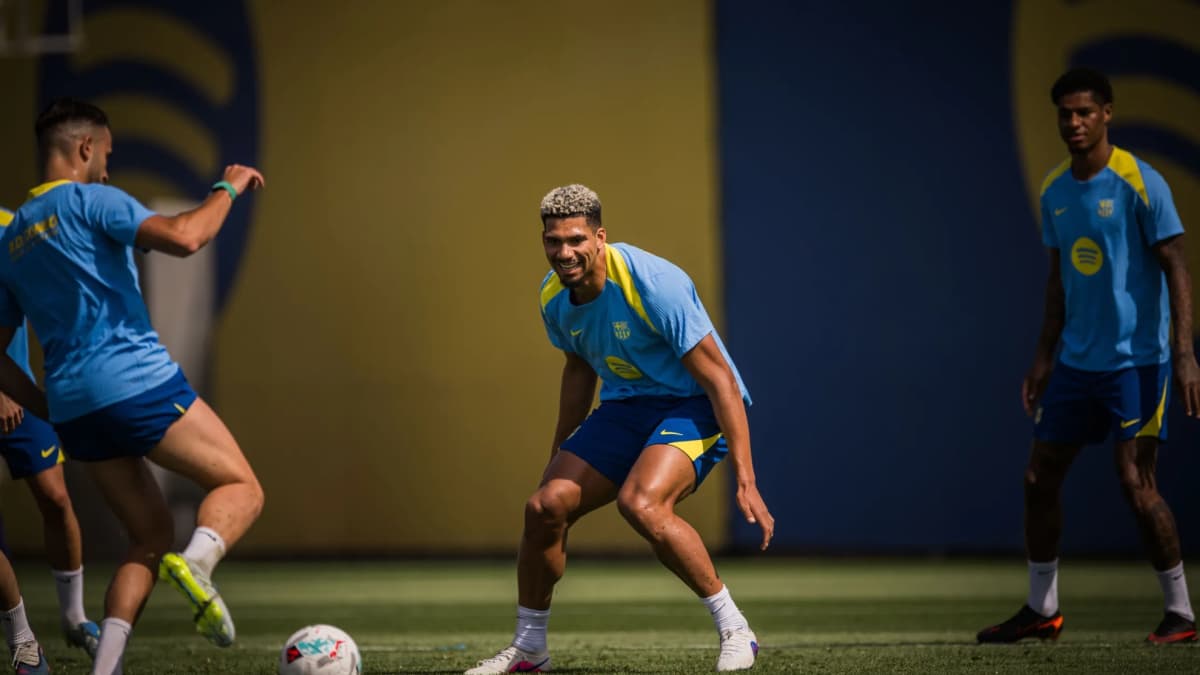
El Barça se pone en modo Liga y reanuda entrenamientos con Flick
See every story in Sports — including breaking news and analysis.
Photo: NUFC Twitter
The context matters. Newcastle were reacting to uncertainty around Isak, and in doing so moved away from their established recruitment model. Their strategy has typically centred on younger profiles with resale value and long-term upside. Wissa, by contrast, represented an immediate fix rather than a considered investment.
One insider described the club’s trading approach as “fluid”, but this flexibility appears to have come at a cost. The modern market punishes misjudgements swiftly, and Newcastle are now facing the reality of a depreciating asset in a squad that is already under financial scrutiny.
Wissa’s struggles have not been purely tactical or strategic. His physical condition has played a major role in limiting his impact. Those close to the deal revealed he became “totally deconditioned” during the summer, after ignoring advice to maintain fitness while attempting to force his move.
That decision has had lasting repercussions. Injuries followed, and a stop-start season has prevented him from regaining momentum. Howe himself acknowledged the difficulty of integrating the player under such circumstances.
“He’s had a very difficult season and I think the most difficult part for Yoane is that he got back fit and of course there was a huge feeling inside of him that he wanted to rush back and show everyone how good he is and then we haven’t been able to train him how we would normally train him,” Howe explained.
“It’s [been] very small groups, a game every two or three days, stop-start for him, he was never able to get a rhythm.”
The numbers underline the problem. Just three goals in all competitions, only one in the Premier League, and a mere 17 minutes of league football since early February tell a stark story. For a player brought in to strengthen attacking depth, his absence has been as notable as his presence.
Newcastle’s broader plans add another layer of complexity. The club are preparing for a significant overhaul of their attacking options this summer, with at least one specialist striker expected to arrive.
There is also uncertainty surrounding Anthony Gordon, with Bayern Munich reportedly interested, even if Newcastle value him closer to £80m. Should he depart, another forward will be required, further crowding an already evolving frontline.
The recruitment strategy, as outlined by iNEWS, will blend established names with emerging talent. Crucially, lowering the average age of the squad has become a priority. This shift places Wissa in an awkward position, as his profile no longer aligns with the club’s direction.
Newcastle’s financial constraints further complicate matters. Operating under a “one in, one out” policy limits flexibility, meaning every decision carries weight.
“The days of acquiring £100million players to just hold onto them are gone,” one senior St James’ Park source told The i Paper this week.
Wissa’s experience also serves as a broader warning about the risks players take when forcing transfers. His decision to down tools at Brentford, while ultimately securing his move, appears to have disrupted his preparation to a damaging extent.
In elite football, marginal losses in conditioning can have significant consequences. Wissa’s inability to match the physical levels of his teammates has left him playing catch-up in a system that demands intensity and cohesion.
Howe remains cautiously optimistic, insisting that “the best is yet to come.” Yet the reality is that time is not always a luxury in modern football, particularly at a club with Newcastle’s ambitions.
As the Magpies look to refine their squad, Wissa’s future feels uncertain. Whether he is given the “full pre-season” Howe believes he needs or moved on as part of the summer reshuffle will reveal much about Newcastle’s evolving identity.
For now, his story stands as a reminder that even the most well-resourced clubs are not immune to the consequences of rushed decisions.
From a supporter’s perspective, this situation feels deeply concerning. Newcastle fans have grown used to smart recruitment and steady progress, so seeing a £50m signing struggle so dramatically raises uncomfortable questions. There is a sense that this deal broke from the club’s usual discipline, and the consequences are now clear.
Wissa’s lack of impact is frustrating, but the underlying issue appears to be structural rather than individual. Fans will worry about how a player could arrive so unprepared, especially in a high-performance environment. The revelation that he became “totally deconditioned” suggests a breakdown in both player decision-making and club oversight.
There is also anxiety about what this means for the summer rebuild. If Newcastle are forced into a “one in, one out” approach, every misstep becomes magnified. Moving Wissa on at a loss could restrict the club’s ability to strengthen in other areas.
At the same time, supporters may feel sympathy for the player. A disrupted pre-season, injuries, and limited opportunities would challenge anyone. Howe’s belief that “the best is yet to come” offers a glimmer of hope, but fans are unlikely to be patient without signs of immediate improvement.
Ultimately, this feels like a moment of reckoning. Newcastle must prove that this was an isolated error rather than a shift away from the disciplined model that has driven their rise.