
SoccerRecap
De Zerbi: Referee was not calm, he was feeling the pressure
De Zerbi: Referee Gillett Wasn't Calm During Tottenham's Draw
Sky Sports1 min read
Roma supporters are deeply connected to their club, reflecting strong emotions and community identity. Statistics reveal patterns in fan engagement and growth, highlighting Roma's significance in Italian football.
Mentioned in this story
Roma Supporters and Statistics: A Data-Driven Look at the Giallorossi Community
Football clubs are often measured by trophies, league position, and transfer spending. Those numbers matter. They help explain performance, ambition, and direction. But they do not fully explain a club like Roma.
AS Roma is not only a team on the pitch. It is a community with deep roots, strong emotions, and a clear sense of identity. The club’s supporters are part of the story every season, whether Roma is fighting near the top of Serie A, navigating a difficult run of form, or preparing for another European night under the lights.
For Roma fans, football is rarely casual. It is personal. It is local, cultural, and generational. Statistics can help us understand this passion in a more structured way. They cannot capture every chant, every derby memory, or every emotional reaction after a late goal. Still, they can show patterns. They can reveal how supporters follow the club, where the fanbase is growing, and why Roma remains one of Italy’s most recognizable football institutions.
Roma’s support begins in the city of Rome, but it does not stop there. The club has a fanbase that stretches across Italy, Europe, and many international markets. This is especially clear online, where supporters interact with match content, transfer updates, tactical analysis, and club announcements every day.
Digital platforms have changed how football communities grow. A fan in Rome may attend matches at the Stadio Olimpico. A fan in New York, Lagos, Jakarta, or Buenos Aires may follow Roma through social media, streaming services, fan forums, and highlight clips. The connection is different, but it is still meaningful.
For clubs, this creates measurable data. Social media followers, engagement rates, search interest, website traffic, and video views all help show how active a fan community is. Roma’s global presence is supported by the club’s long history, its famous colors, its iconic players, and its regular participation in major domestic and European competitions.
Statistics show patterns in how Roma supporters engage with the club, including attendance and social media interaction.
Roma fans express their passion through local traditions, emotional reactions, and a strong sense of community identity.
AS Roma's rich history, passionate fanbase, and cultural significance contribute to its status as a recognizable institution in Italian football.
The Roma fanbase has grown and evolved, with statistics indicating shifts in demographics and engagement levels among supporters.
De Zerbi: Referee Gillett Wasn't Calm During Tottenham's Draw

Jakirovic calls Hull's Wembley trip the best moment in his football career.
Bixby Coach Loren Montgomery Honored with Hall of Fame Induction
Detroit Lions announce new jersey numbers for 27 players ahead of 2026 season.
Paulo Costa's shocking comments on Khamzat Chimaev's defeat anger fans.
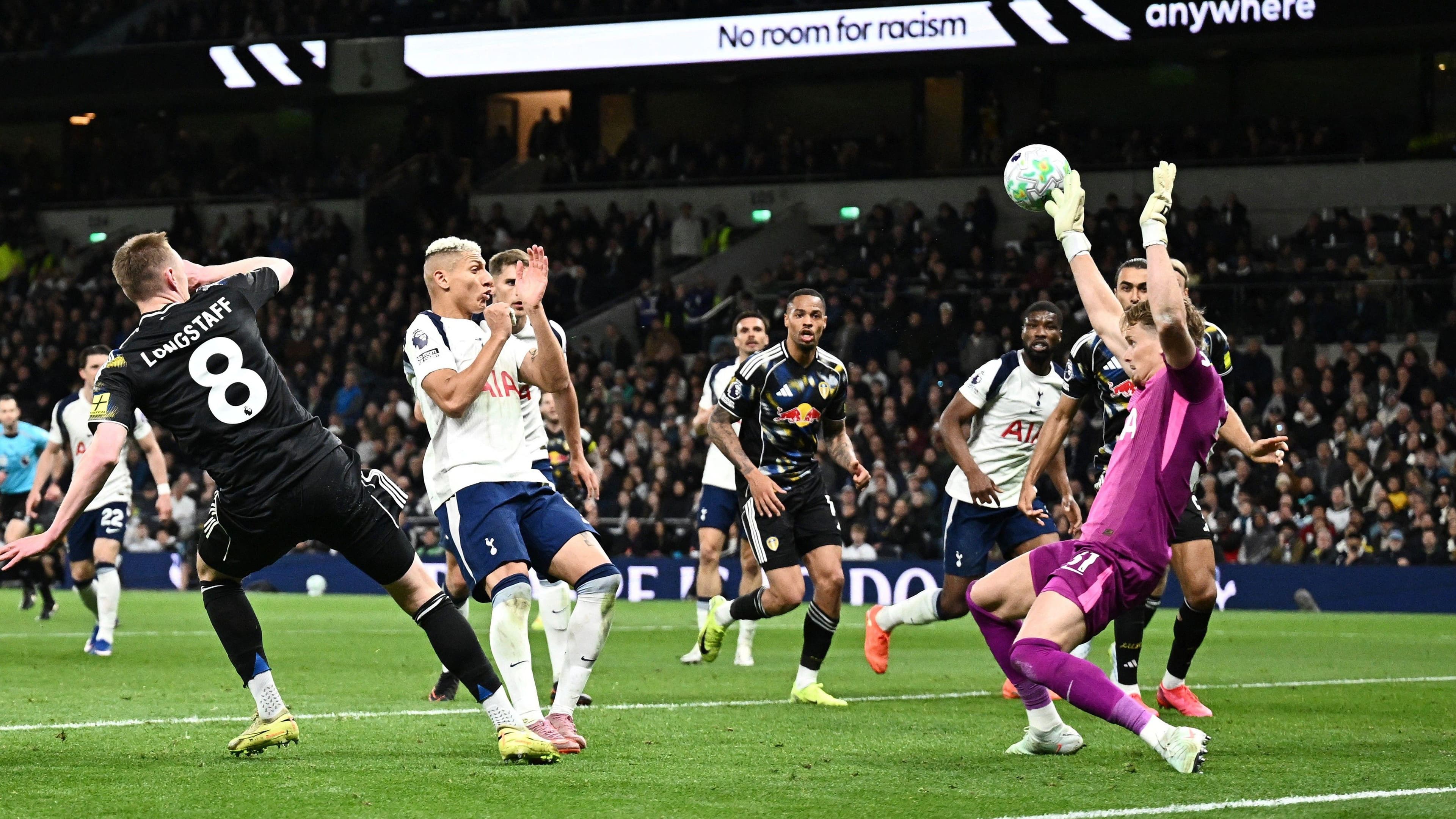
Kinsky's crucial save helps Tottenham earn a point against Leeds.
See every story in Sports — including breaking news and analysis.
But numbers alone do not explain loyalty. Many clubs gain temporary attention after a big signing or a successful cup run. Roma’s community is different because it is built around identity. The Giallorossi colors, the wolf symbol, the city, and the club’s emotional history all give supporters something larger than weekly results to connect with.
Attendance is one of the clearest ways to measure supporter commitment. Roma’s home matches at the Stadio Olimpico often show how powerful the club’s local base remains. The stadium is not only a sports venue. On matchday, it becomes a public expression of belonging.
The Curva Sud is central to this identity. It is where some of the club’s most vocal supporters gather. Their banners, chants, and choreography give Roma home matches a distinct atmosphere. This support can affect the mood of a game. It can lift players, pressure opponents, and turn routine fixtures into emotional events.
Attendance statistics also tell a wider story. Strong home crowds suggest that supporters still see live football as essential, even in an era of streaming, social media, and constant digital coverage. For Roma, this matters. The club’s home advantage is not only tactical. It is cultural.
Of course, attendance can change based on form, ticket pricing, scheduling, weather, and the importance of a match. A derby against Lazio will naturally create different demand than a lower-profile league fixture. European knockout matches bring another level of intensity. Still, the broader trend is clear: Roma’s supporters continue to treat matchday as a major part of the club experience.
Modern football support does not end when the final whistle blows. In many ways, it expands after the match. Fans react, debate, analyze, criticize, and celebrate across digital platforms.
Roma supporters are highly active in these spaces. They discuss lineups before kickoff. They track player statistics. They share clips of goals, saves, and controversial refereeing decisions. They compare expected goals, passing maps, possession numbers, and defensive errors. The modern fan is not only emotional. Many are also analytical.
This is where football data becomes especially interesting. Supporters now have access to information that was once reserved for coaches, scouts, and analysts. Metrics such as expected goals, progressive passes, shot-creating actions, pressing intensity, and possession value help fans understand why Roma won, lost, or struggled.
For readers who follow betting content, tactical previews, or expert soccer picks, this rise in football analytics has also changed how matches are evaluated. The conversation is no longer limited to form tables and star players. It includes deeper questions. Is Roma creating high-quality chances? Are they allowing too many shots from central areas? Are certain players improving the team’s buildup? Are substitutions changing the rhythm of matches?
These questions make the fan experience richer. They also show how the Roma community has adapted to the modern game while keeping its traditional passion intact.
Loyalty is difficult to measure, but certain data points can help. Attendance consistency, merchandise sales, social media activity, television audiences, membership numbers, and fan club participation all offer clues.
Roma’s supporters are known for staying emotionally invested through highs and lows. This is important because the club’s recent history has included both thrilling moments and frustrating periods. There have been European runs, managerial changes, transfer debates, injury problems, and seasons where expectations did not fully match results.
A less committed fanbase might fade during difficult stretches. Roma’s community usually does the opposite. It reacts strongly. Sometimes critically. But that reaction itself is proof of care. Silence is often more worrying than anger in football. Roma fans rarely stay silent.
This level of loyalty is one reason the club remains commercially valuable. Sponsors, broadcasters, and partners are attracted to teams with active, emotionally engaged audiences. A supporter who watches matches, buys shirts, follows content, and talks about the club online has real value in the modern football economy.
Authoritative football data from Transfermarkt is often used by fans and analysts to place club performance, squad value, player movement, and market trends into a broader context.
Statistics can show scale, but community explains meaning.
Roma’s fan culture is tied closely to the city. Rome is historic, complex, proud, and expressive. The club reflects those qualities. Supporting Roma often feels like supporting a shared story rather than simply backing a sports team.
Families pass the club down through generations. Local neighborhoods build routines around matches. Supporters gather in bars, homes, stadium sections, online groups, and fan clubs. A Roma match can become a weekly ritual. For many fans, it shapes conversations, moods, and memories.
The community also gives supporters a sense of continuity. Players come and go. Managers change. League campaigns end. But the fanbase remains. This is one of the strongest parts of Roma’s identity. The club belongs not only to those who run it or play for it, but also to those who carry its memory.
That memory includes legends, disappointments, derby victories, last-minute goals, European nights, and emotional farewells. It also includes ordinary matches that may not stand out in official records but still matter to people who were there.
Roma’s international growth has been helped by several factors. Serie A remains one of the world’s most followed leagues. The club has had recognizable players from different countries. European competition has increased visibility. Digital media has made it easier for distant fans to feel connected.
Global fans often engage differently from local supporters. They may not attend matches, but they contribute through online activity, merchandise purchases, streaming, and international supporter groups. Their connection may begin with a player, a video game, a famous match, or a family link to Italy. Over time, that initial interest can become lasting loyalty.
This global expansion is important for Roma’s future. Football clubs are now media brands as well as sporting institutions. A strong international fanbase can support sponsorship deals, content strategies, preseason tours, and commercial partnerships.
Still, Roma must balance growth with authenticity. The club’s appeal comes from its Roman soul. International marketing works best when it shares that identity rather than replacing it. Fans abroad are not looking for a generic football brand. They are drawn to Roma because it feels specific, emotional, and real.
Roma’s fanbase is one of the club’s most important assets. The supporters bring energy, visibility, pressure, loyalty, and identity. They help turn Roma from a football team into a living community.
Statistics show the reach of that community. Attendance figures highlight local commitment. Social media numbers show global interest. Engagement data reveals how deeply fans interact with the club. Performance analytics give supporters new ways to understand matches and debate decisions.