SoccerTransfer
Manchester United and Chelsea close to losing out on managerial target Andoni Iraola
Andoni Iraola set to join Crystal Palace, leaving United and Chelsea behind.
Yahoo Sports1 min read
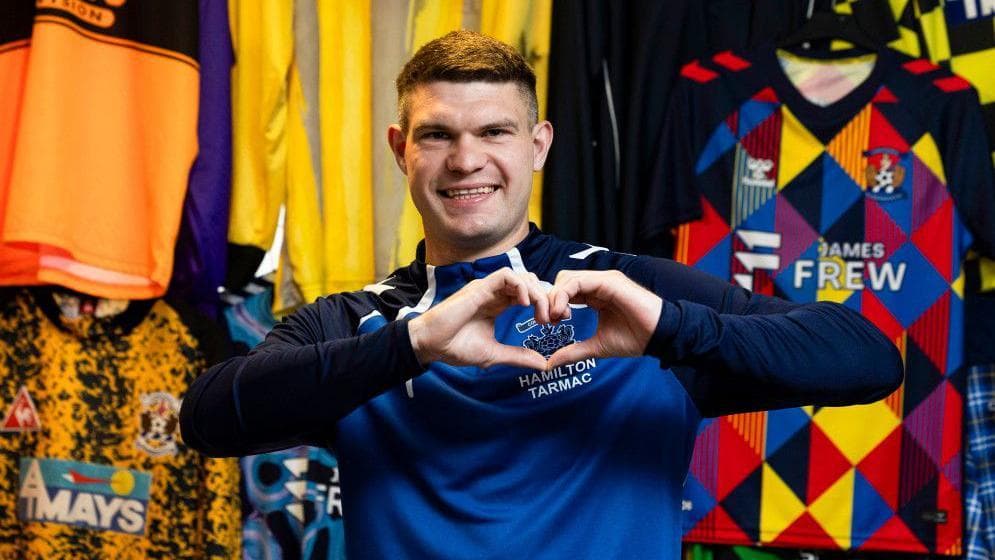
Kilmarnock goalkeeper Max Stryjek returned to football after life-saving heart surgery. He had lived with a serious condition for 10 years but remained confident about his comeback.
Described as a "walking miracle" by his previous manager for his rapid recovery from life-saving open heart surgery in November, Kilmarnock goalkeeper Max Stryjek has revealed that his condition had been a ticking time bomb with which he has lived for the past 10 years.
But the 29-year-old Pole insists that, despite six months on the sidelines, he "never had a doubt" that he would return to playing football.
Stryjek made his first appearance since October in last month's 1-0 defeat in Aberdeen then kept a clean sheet at the weekend in a 3-0 win over Dundee United that lifted his side above St Mirren and out of the Scottish Premiership's relegation play-off spot.
Now he has opened up on the condition that led Kilmarnock to reveal six months ago that he would sit out a match against Heart of Midlothian because annual screening had picked up something that required further investigation.
Former Livingston and Wycombe Wanderers goalkeeper Stryjek, who returned to the Premiership last summer after a spell with Jagiellonia Bialystok in his homeland, revealed that his aorta, the body's largest artery, "was a bit bigger than usual".
"I think the margin for normal human being is 40-41 millimetres is maximum you can have," he explained. "Mine rose to like 55 and there was a danger of being basically ripped apart and I would just collapse and die.
"So they just told me, listen, there's a high risk of that, so you need to have operation as soon as possible."
Stryjek admits it was a frightening moment, but it was not a complete shock.
"When I moved to Sunderland when I was 16, obviously we had all the medical tests," he said. "Then we got to the point where I was like 18, 19, so 10 years ago, when they actually told me like, listen, you've got this issue, it might be in the future, you might need an operation for it.
"I wasn't really stressed about it, so I just thought, okay, it's something I've got, I have to look after myself, look after my body and then, 10 years later, I'm getting operation done, which I never thought I will have to deal with, but you know, life, it's so unpredictable."
Stryjek felt confident he was "in really good hands" when he travelled to London Bridge Hospital for surgery.
"I knew a doctor who was doing the operation - I think he made 1,500 operations by himself and there was only 3,000 operations in the world made," he said. "He pushed the confidence inside me and I just knew I'm going to get back as soon as possible and everything went to the plan."
Within two days, Stryjek was walking the hospital corridors before getting to know the streets of London as he began a journey back to fitness that current manager Neil McCann has described as "brave".
It was McCann's predecessor, Stuart Kettlewell, who described the Pole as a miracle worker when he returned to training in December.
Max Stryjek had a condition where his aorta was larger than usual, which was discovered during annual screenings.
Max Stryjek was sidelined for six months following his open heart surgery.
In his first match back, Stryjek's team, Kilmarnock, lost 1-0 to Aberdeen, but he later kept a clean sheet in a 3-0 win over Dundee United.
Max Stryjek stated that he 'never had a doubt' about returning to play football after his surgery.
Andoni Iraola set to join Crystal Palace, leaving United and Chelsea behind.
Legendary Sevilla director Monchi nearing a return to La Liga with Espanyol.
Top FPL Player Picks for Double Gameweek 36
Allyson Felix is making a comeback for the LA28 Olympics at age 42!
Discover the most popular FPL transfers for Gameweek 36, featuring key players from Manchester City and Crystal Palace.
Freddy Peralta picks up first win since Opening Day in tough conditions
See every story in Sports — including breaking news and analysis.
"I never had a doubt, I just obviously dealt with it day by day, step by step really," Stryjek said.
"I've been playing football since I was seven, to be fair, so I would say probably like I'm an athlete, I'm a professional, so my body obviously recovers better than normal people.
"Obviously, first training sessions, I was really bad, let's put it this way, but obviously it takes time. I would say probably the drive was to come back playing football because I love it and then, obviously, I don't know how I made it."
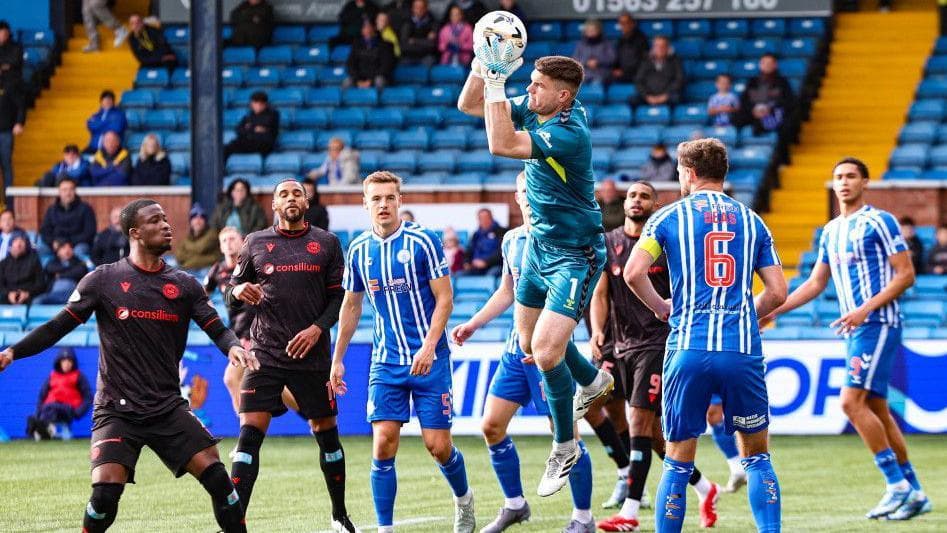
Image caption,
Max Stryjek was sidelined after a 2-0 win over St Mirren in October
While he had no thoughts of giving up football, Stryjek admits his experience has changed his perspectives.
"I still love it, I'm still passionate about it, but I just got to the point where obviously I've got a fiancee now and it was like a life-changing moment for me to obviously realise there's some more important things in life than football," he said.
"Obviously your health and people around you as well, so you appreciate them more. At the end of the day, it's my job, you know, and if someone told me I couldn't play football right now, I would be gutted."
Stryjek is, though, in the process of gaining his coaching licence and has started a sporting directorship course as back-up, but after that "emotional moment" back in the team, his priority is now to help steer Kilmarnock clear of relegation trouble.
"The heart is not an issue right now," he added. "There's some more medical tests which have to be done. Obviously, I have to control it year by year, but it seems like everything is fine."