SoccerTransfer
Report: Newcastle United and Chelsea considering move for former Liverpool star
Newcastle United and Chelsea are reportedly looking to sign a former Liverpool star.
Yahoo Sports1 min read

Top tennis players, led by Aryna Sabalenka, threaten a boycott over inadequate revenue sharing from grand slam tournaments. This escalation follows a year of unresponsive dialogue with tournament organizers regarding player welfare and financial equity.
At some point in the quiet buildup to her opening match at the Italian Open, Aryna Sabalenka decided to attack one of the most contentious subjects in her sport with the same force as her forehand. In her press conference, the subject of the top players’ attempts to attain a greater revenue share from the grand slam tournaments prompted the world No 1 to make a drastic prediction: “I think at some point we will boycott it, yeah,” she said. “I feel like that’s going to be the only way to fight for our rights.”
It marked an escalation in a pay dispute that, until this point, had played out in a series of polite letters and public statements. Over a year ago, in March 2025, the players sent their first letter to the grand slam tournaments. Their requests focused on the grand slams offering a greater percentage of their revenues to the players, contributions to player welfare initiatives, such as pension funds, and closer consultation through a grand slam player council. To the frustration of the player group, the grand slams have still not issued substantial responses to the first two requests.
Sabalenka’s comments on Tuesday were initially the source of ample scepticism. For much of the past year, after all, she had shown little interest in tackling this topic publicly. So this was a jarring U-turn. Asked at the Australian Open in January about the player initiative, Sabalenka stared blankly towards her agent in the corner of the room before responding: “Well, I mean, can I pass?”
While some players, most notably Jessica Pegula, have consistently articulated the players’ concerns well, the lack of engagement from others to discuss this issue was unimpressive. At the Miami Open in March, for example, Carlos Alcaraz plainly declared himself uninterested: “It’s something that is going on but for me I prefer to be focused on other things,” he said. Jannik Sinner, despite his earlier statements in support of the cause, comically declined to answer a straightforward question in Miami regarding whether he was optimistic about the player group achieving its aims: “I don’t want to comment,” he said.
This week, however, the top male and female players have finally presented a strong united front. Coco Gauff, as usual, thoughtfully explained why the strength of the top players’ voices means they are best positioned to advocate for lower-ranked players. Iga Swiatek articulated the players’ dissatisfaction with the current grand slam revenue share. Sinner offered perhaps his most forceful public statement on any topic in his career, accusing the grand slams of not treating the players with “respect” by not responding to their concerns.
Aryna Sabalenka predicted that players might boycott grand slam tournaments if their demands for a greater revenue share are not met.
Players are requesting a larger percentage of revenue from grand slams, contributions to player welfare initiatives, and the establishment of a player council for better consultation.
While some players like Jessica Pegula and Coco Gauff have voiced concerns, others like Carlos Alcaraz and Jannik Sinner have shown reluctance to engage in the discussion until recently.
The grand slams' failure to respond to player concerns is seen as a lack of respect and has prompted top players to unite in their demands for change.
Newcastle United and Chelsea are reportedly looking to sign a former Liverpool star.
Finn Allen joins KKR legends with his maiden IPL century!
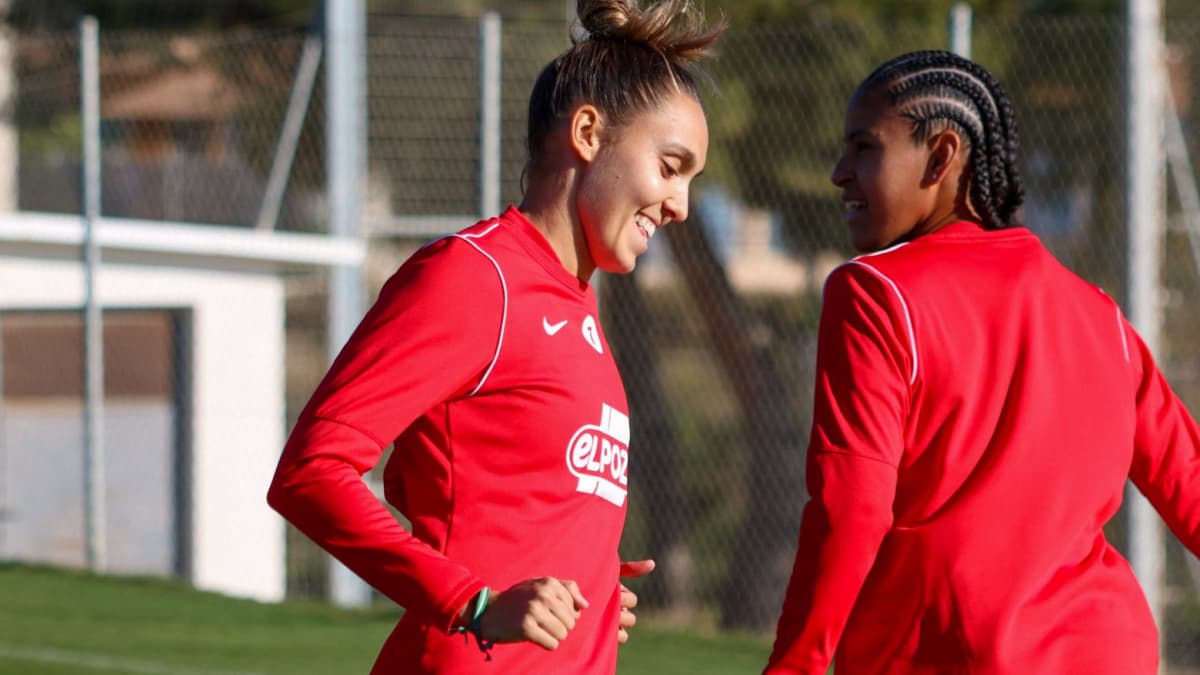
El Alhama se enfrenta al Eibar en un partido decisivo para su futuro en la liga.
Arbeloa insists on a healthy dressing room at Real Madrid despite tensions
Jose Mourinho's return to Real Madrid is just a matter of time, with a key meeting next week.
Liverpool prepares for summer transfers; star may leave the club.
See every story in Sports — including breaking news and analysis.

Jannik Sinner said the major tournaments were not addressing players’ concerns. Photograph: Tullio Puglia/Getty Images
The prospect of the players actually progressing with any sort of boycott still seems unrealistic. The top players remain in a great position, earning significant amounts of money every time they compete in the big events, and they are devoted to their personal goals. Sabalenka will soon be the second female athlete in history to earn $50m in prize money, after Serena Williams. Change is preferable, but these are not desperate people. For now, it is incredibly difficult to imagine them hurting their own personal ambitions by missing the major tournaments they train each day for.
As multimillionaires pushing for greater pay, they are also not sympathetic figures. The most damaging argument against them is the immense wealth they have already acquired in the sport, a significant amount of their earnings coming from the prize money and exposure provided by the grand slam tournaments.
Still, the majors are even wealthier, and lucrative businesses do not automatically have their workers’ best interests at heart. They are not beyond being questioned and challenged and, if the player demands are unrealistic, the grand slams should have no problem explaining in detail and with transparency why their current revenue share model is fair.
The players’ concerns are more than valid. The 13-15% revenue share they receive from the grand slams is low. Roland Garros’s recent prize money announcement, which completely ignored the players’ concerns, was a big blow. Despite the tournament’s claims that prize money has risen 45% since 2019, adjusted for inflation, the figure is only 14%. The grand slams’ continued refusal to even address their concerns is a further slap in the face to the players. All eyes are on Wimbledon now, for the tournament’s prize-money announcement.
From the perspective of the grand slams, the players are not nearly as important as they view themselves. These events transcend the sport, their success and financial status a consequence of decades of growth, branding and history. Meanwhile, most of the money they generate is invested back into the sport, whether through the transformation of the tournament grounds or to national federations. For example, 90% of Wimbledon’s surplus goes to the Lawn Tennis Association, the governing body for tennis in Britain, which amounted to £48.1m last year.
These arguments mean nothing to the players, who are still the focal point of the events, the workers. The improved infrastructure at the grand slam venues is even more beneficial to the actual tournaments. Players from countries such as Belarus or Bulgaria, where they receive minimal federation support, are rightfully unmoved by the status of slams as glorified fundraisers for their national federations in wealthy western countries.
For more than a year now, the grand slams have opted to pay little mind to these demands. Tennis players, after all, have been asking for more money since the dawn of time. It may be tempting for the grand slams to continue as usual, to dare Sabalenka and her colleagues to advance with their threats, but perhaps a more constructive way forward would be to engage the players in good faith, as partners, and find a compromise for all.