
Soccer
Carrick vs Solskjaer: Whose audition went better after 13 PL games?
Carrick vs Solskjaer: Who Performed Better After 13 PL Matches?
Sky Sports1 min read
The Kentucky Derby has transformed from a local celebration into a corporate event dominated by money and branding. It now resembles a global product rather than a civic ritual, leading to inflated prices and a loss of local identity.
The Kentucky Derby has been kidnapped and dressed in a seersucker suit.
Not stolen in the dramatic sense. No masked men. No midnight escape. No, this was a rather polite abduction. Signed contracts. Corporate lanyards. A slow, suffocating takeover by people who think bourbon goes well with a quarterly earnings report.
Somewhere along the line, the Derby stopped being a Louisville event and started being a global product. A traveling circus of money men and brand strategists who fly in, drink just enough mint julep to say they did, and then vanish back into whatever glass tower they crawled out of. They leave behind nothing but higher prices.
Because that’s what it is now. Not a celebration. Not a civic ritual. A product. A gleaming, overpriced, overmanaged product sitting inside Churchill Downs like a prize hog at auction, fattened up for people who don’t know the difference between Central Avenue and a country club valet line.
Letters: Derby Week in Louisville is the worst one of the year
I remember stories from my uncles about the 70s, and they don’t sound like this manicured hallucination we’ve got now. They made their way to the infield where rules were lax and nobody was asking for a credit card. That was the Derby.
Not this sanitized pageant of wealth and soft hands. Back then it was loud and ugly and alive. Central Avenue would explode into a block party that didn’t ask permission from anyone with a clipboard. Music pouring out of cars, grills smoking, strangers arguing and laughing and, occasionally, falling down.
It was local, and it was ours.
Now, it’s been polished until it squeaks.
The fun has been trimmed back like an overgrown hedge. The rough edges sanded down by people who fear anything that can’t be controlled or neatly packaged between commercial breaks. The infield is “managed.” Every inch of it is branded and quietly sold off to the highest bidder, little slices of a once living thing.
And the people of Louisville?
We stand around like spectators at our own funeral.
We complain. Oh, we complain beautifully. We talk about how the corporations have ruined everything, how the Derby doesn’t feel the same, how it’s all gotten too big, too expensive, too sterile. We say it with conviction, with a little bourbon in our system, like we’re delivering some grand indictment of the modern world.
And then we go home.
That’s the part that gnaws at me.
We’ve lost the nerve for it. Somewhere along the way, we traded participation for observation. We let the thing slip out of our hands and, now, we act surprised that it doesn’t recognize us anymore.
You don’t lose something like the Derby all at once. It erodes. Piece by piece. A corporate tent here. A price hike there. A new rule, a new barrier, a new reason why the people who built it should stand a little farther back.
Until one day, you look up and realize you’re just a guest in your own city.
Letters: Kentucky Derby is a time for Louisville locals to be proud
So what’s the fix?
It’s not going to come from a press release. Not from a committee. Not from some carefully branded “return to roots” campaign sponsored by the same people who paved over those roots in the first place.
If Louisville wants its Derby back, it's going to have to return to what's real.
Bring back Central Avenue, not as a nostalgia act with security barricades and corporate-approved fun. Let it breathe. Let it get loud. Let people take up space without asking permission from someone in a polo shirt with a logo stitched over where a heart should be.
Because culture doesn’t live in VIP sections.
It lives in the cracks. In the noise.
And here’s the ugly truth nobody likes to admit.
Those corporations didn’t take the Derby from us. We handed it over, one polite concession at a time.
So, if you want it back, you're not going to get it back by reminiscing about good times fifty years ago. Change will require us to do more.
Otherwise, you can keep your hats, your cocktails, your tidy little version of tradition.
And the real Derby, that wild, grimy, beautiful beast, will stay exactly where it is now, locked behind velvet ropes, owned by people who never loved it in the first place.
Agree or disagree? Submit your letter to the editor.
Eric Reynolds
Eric Reynolds is a third generation Taylor Boulevardian.
This article originally appeared on Louisville Courier Journal: Louisville locals let the Kentucky Derby slip from our hands | Opinion
The Kentucky Derby has shifted from a local celebration to a corporate event, focusing more on branding and profits than on community traditions.
Corporate sponsors have contributed to rising prices and a loss of the Derby's local character, turning it into a global product rather than a civic event.
Critics argue that the commercialization has stripped the Derby of its cultural significance, making it more about profit than celebration.
The consequences include higher prices for attendees and a disconnect between the event and the local community, diminishing its original spirit.
Carrick vs Solskjaer: Who Performed Better After 13 PL Matches?

Kinsky's last-minute save could be a turning point for Spurs in their relegation battle.
Chad Tracy aims to revive the Red Sox, inspired by his father's success with the Rockies.
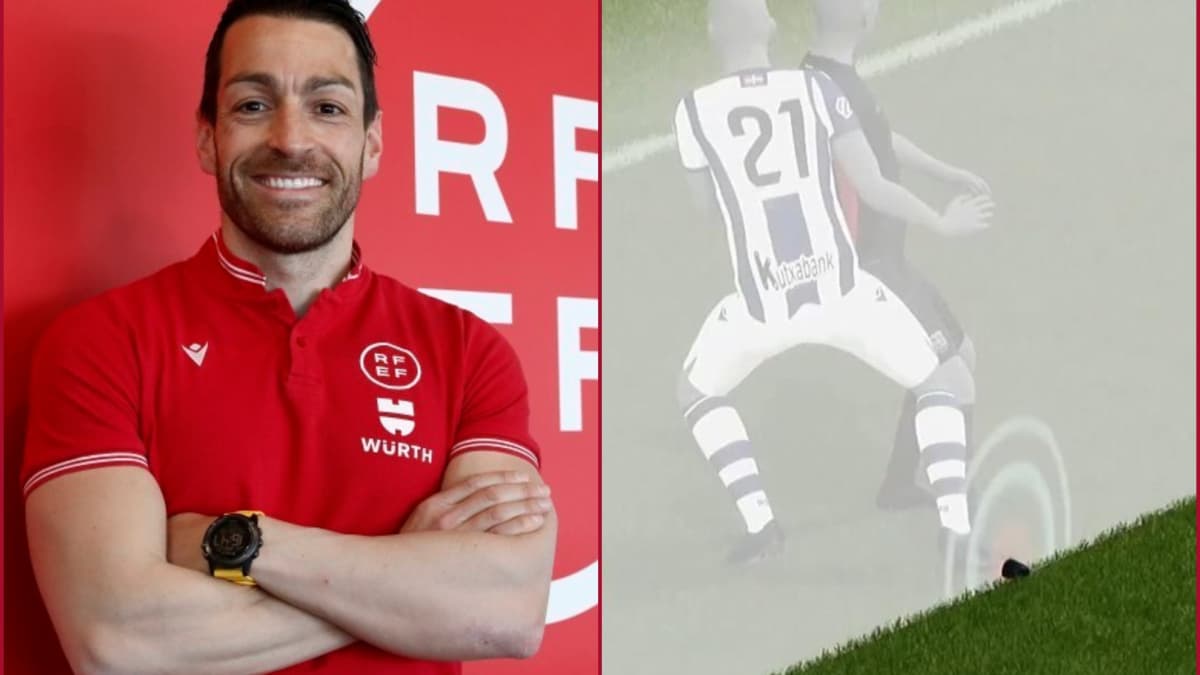
Eduardo Prieto Iglesias, director del VAR, aclaró que los muñecos utilizados en el fuera de juego semiautomático son solo recreaciones de la jugada. A pesar de su uso, el sistema sigue generando dudas entre los aficionados.
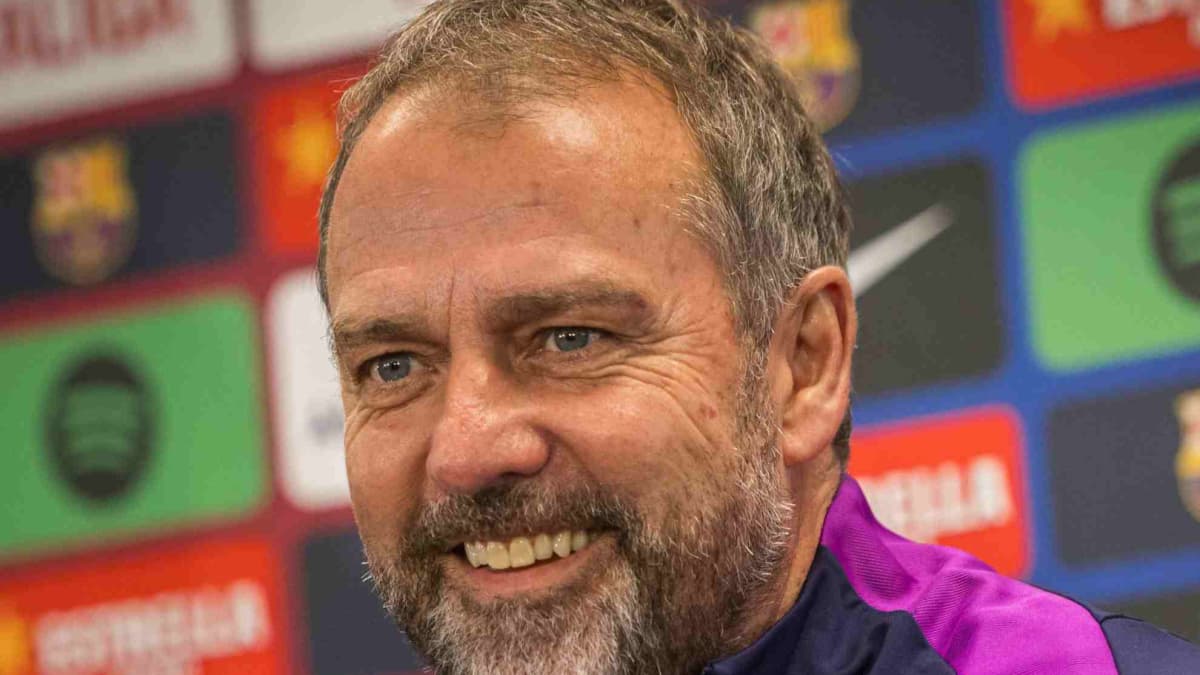
Hansi Flick: Para ganar títulos se necesita un gran equipo, no solo buenos jugadores.
Green Bay Packers show faith in Lukas Van Ness by picking up his fifth-year option worth $13.8 million.
See every story in Sports — including breaking news and analysis.