
NHL
Charlie Coyle, Blue Jackets agree to 6-year, $36 million contract extension
Charlie Coyle agrees to a 6-year, $36M extension with the Blue Jackets.
Yahoo Sports1 min read
Credit: Nathan Ray Seebeck-USA TODAY Sports
This originally appeared in Tuesday morning’s edition of The A Block, Awful Announcing’s daily newsletter with the latest sports media news, commentary, and analysis. Sign up here and be the first to know everything going on in the sports media world.
The NFL’s media rights negotiations produced a flurry of news over the past week or so, and most of it centered on which teams were getting which games. The more interesting story, though, might be who isn’t.
YouTube entered negotiations as a reported frontrunner. It leaves one potentially empty-handed. And the speed of that reversal says something important about the NFL’s long-term leverage — or lack thereof — with the big tech companies it has been counting on to drive up future rights fees.
Here’s what happened. When ESPN absorbed NFL Network earlier this year, the league got back the four Monday Night Football doubleheaders it had been running with ABC and ESPN since 2021. Those games were always a mess — the overlapping broadcasts consistently split audiences, one ESPN+ exclusive last year drew fewer than two million viewers, and everyone involved quietly acknowledged the experiment had failed. ESPN was happy to return them. Combined with the Week 1 game in Australia, the NFL had five games to sell, and the plan was to move them to a streamer as a standalone package.
YouTube was the obvious first call. Google has been paying roughly $2 billion a year for NFL Sunday Ticket since 2023, subscriptions are at their highest level in five years, and last season, YouTube aired its first exclusive primetime NFL game — the Chargers-Chiefs opener from Brazil — to 18.5 million American viewers. By February, Sports Business Journal had YouTube as the early leader for the package. By April, the two sides were deep enough in talks that a long-form contract review was underway. That’s the stage where deals happen.
Then the NFL decided to get clever. Instead of selling YouTube a clean five-game standalone package, the league tried to get Netflix involved. Netflix wanted three games to pair with its Christmas Day doubleheader: the Week 1 Australia game and two of the games ESPN returned earlier this year. So the league conjured up a plan to split the inventory. Netflix would get its package (Christmas, Australia, and two ex-ESPN games), while YouTube would get the two leftover ex-ESPN games for itself. As Puck’s John Ourand put it, YouTube “balked at the strategy,” and within 48 hours, Fox had announced it was picking up two games — a Week 10 International Series game from Munich and a Week 15 Saturday — while NBC grabbed a Week 17 Saturday game with a Peacock exclusive to follow. The two leftover ex-ESPN games were among those sold to Fox and NBC, and YouTube came away with nothing.
So some of the NFL’s available inventory — long assumed to be headed to a streamer — ended up going to Fox and NBC. Did the NFL’s greed get in the way? Believing it could have its cake and eat it too with both YouTube and Netflix? Perhaps. Was it appeasement of ongoing federal probes scrutinizing the NFL’s move towards streaming? Also possible. But either way, how the YouTube-NFL negotiations played out shows one thing very clearly: the big tech companies buying NFL games are very selective.
Amazon got Thursday Night Football in 2021, but on its terms, meaning a clean, fully packaged, prime-time-branded product with a real, standalone identity. Amazon didn’t take scraps. Netflix spent years circling the NFL before finally landing the Christmas doubleheader, then expanded carefully and deliberately. Hence, it now looks like it’s closing in on five total games for next season. Every step Netflix took was at a price and structure it was comfortable with. Apple hasn’t entered serious NFL discussions at all. And now YouTube — the company Ourand describes as having “more capital than anyone else” and a “deep relationship” with Roger Goodell — decided that two leftover Monday Night Football games in a split deal with Netflix wasn’t worth its time.
The consistent thing across all of these situations isn’t that tech companies don’t want NFL games. It’s that they want the NFL games they want, structured the way they want them, at a price they’ve decided is appropriate. They are not going to bail the league out by absorbing less attractive inventory at inflated prices. They don’t have to. They have the balance sheets and the patience to wait.
The broadcast networks — Fox, CBS, NBC, ABC — are not going to be the ones driving the NFL’s media rights revenue from $10 billion to $20 billion. They’re fighting cord-cutting, shrinking linear audiences, and deteriorating business models.
The NFL needs Google, Amazon, Apple, and Netflix to write dramatically bigger checks when the current deals expire in 2033. That’s the only math that gets them where Goodell wants to go. And right now, every major tech company is running some version of the same play: stay patient, be selective, buy what you actually want, and let the traditional television ecosystem continue its inexorable decline. The longer broadcast networks weaken, the less leverage the NFL has, because the networks that once competed fiercely for rights are now just trying to hold on to what they have.
YouTube leaving the table over a structuring dispute might look like a drop in the bucket by the end of the week. The schedule drops Thursday, the narrative moves on, and nobody spends much time on the deals that didn’t happen. But a company with more money than anyone else in the negotiation, with an existing $2 billion annual relationship with the league, decided a package of two football games wasn’t worth taking on those terms.
For now, that’s fine. The question is what happens when fine isn’t enough anymore. The league’s current contracts were built on genuine competition between legacy media and new money. That competition drove fees up in a way that benefited the NFL enormously. Getting back there requires big tech to want NFL inventory badly enough to fight over it. Right now, the evidence suggests they might not. YouTube’s quiet exit from this week’s negotiations is a small thing in isolation. As part of a broader pattern, it’s something the league should be taking seriously.
Subscribe to Awful Announcing’s “The A Block” newsletter here.
The post The NFL needs Big Tech more than Big Tech needs the NFL appeared first on Awful Announcing.
Charlie Coyle agrees to a 6-year, $36M extension with the Blue Jackets.
Antonio Conte supports Rasmus Hojlund during his goal drought at Napoli.
Carlos Alcaraz emphasizes respect in his rivalry with Jannik Sinner, stating there's no need for hate.
What game are you most excited for in the Raiders' 2026 season?
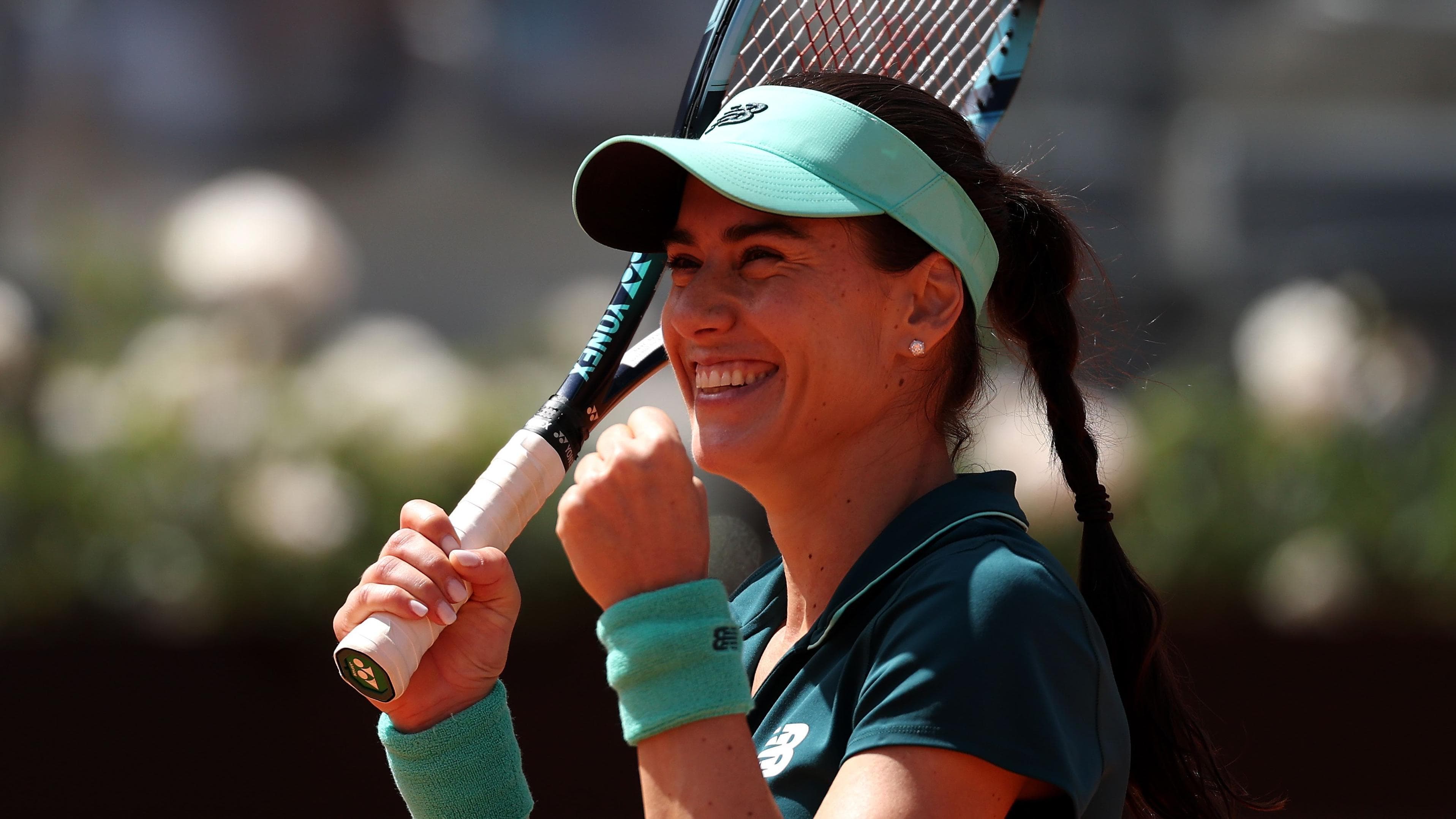
Sorana Cirstea's impending retirement is driving her success on the court.
Patriots sign undrafted rookie safety Peter Manuma after minicamp tryout.
See every story in Sports — including breaking news and analysis.