
Golf
PGA Tour will consider paths back for LIV players
PGA Tour considers ways for LIV Golf players to return amid funding concerns.
ESPN News1 min read
The Philadelphia Flyers prepare for Game 2 against the Pittsburgh Penguins, focusing on maintaining their successful strategies. Players emphasize the need to stick to their routines despite the pressure of playoff adjustments.
The second game of a playoff series is never quiet.
Not in the locker room, where routines remain intact but the undercurrent shifts—from anticipation to adjustment. Certainly not in a series like this one, where a single game doesn’t settle anything so much as it sharpens everything that comes next.
For the Philadelphia Flyers, Game 2 against the Pittsburgh Penguins is obviously about protecting a lead in the series, but it is equally about confirming something more difficult: that what worked once can withstand a deliberate response.
Because there will be one.
Playoff series are conversations. Game 1 is simply the opening statement.
The Penguins, with their experience and internal standards, are not a team that absorbs a loss passively. Their response will not be cosmetic—it will be structural. They will implement sharper puck management through the neutral zone and cleaner support on retrievals. There will be more urgency in second efforts, particularly in the offensive zone where they were limited to shorter, less layered sequences in the opener.
The Flyers understand that. What they are not doing is overcorrecting for it.
“If it ain’t broke, don’t fix it” is a cliché, but in this case, it’s closer to a guiding principle. Philadelphia’s Game 1 success wasn’t built on unpredictable bounces or unsustainable stretches. It came from repeatable habits: controlled spacing, disciplined puck decisions, and a commitment to playing through the interior of the ice. The challenge now is replication under more resistance.
Rick Tocchet framed this second game as escalation.
“We know they’re gonna come and we’ve gotta go, too," he said pregame. "They’re gonna throttle up, so we have to throttle up… I think that our team approach, like any team, is to initiate. The stuff after the whistle—you’ve gotta stay away from that sort of stuff. But if you initiate and people get frustrated, that’s fine. I tell our players [that] sometimes we get frustrated so we’ve gotta make sure to just initiate and when it’s over, get out of there. That’s what I believe the officials want. Once you get in those scrums, you never know who they’re going to pull off the ice.”
Rick Tocchet on the #Flyers Game 2 preparations: “We’ve gotta come the same way… They’re gonna throttle up, so we have to throttle up.”
The Flyers are focusing on maintaining their successful strategies from Game 1 while being prepared for the Penguins' adjustments.
Game 2 is crucial for the Flyers to protect their series lead and confirm that their successful tactics can withstand the Penguins' responses.
Playoff series adjustments create an undercurrent of anticipation, prompting teams to evaluate and adapt their routines while trying to maintain what has worked.
Maintaining routines is significant in playoff hockey as it helps players stay focused and confident, especially when facing high-pressure situations and adjustments from opponents.
PGA Tour considers ways for LIV Golf players to return amid funding concerns.

PGA Tour will not return to Hawaii in 2027, ending a 56-year tradition.
49ers LB Fred Warner returns to offseason training without limitations after ankle injury.
Seattle Seahawks open to trading first-round pick to expand draft class
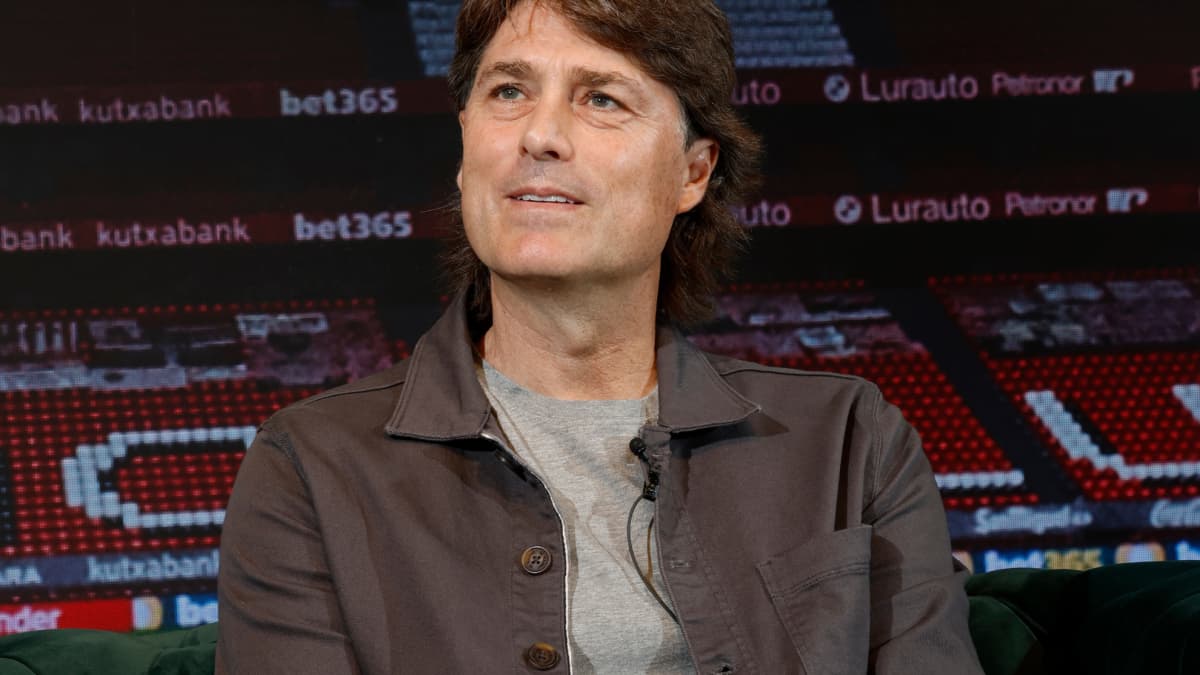
Julen Guerrero se pronuncia tras la muerte de su esposa, agradeciendo el apoyo recibido. La leyenda del Athletic Club expresa su emoción en redes sociales.
Tilak Varma scores maiden IPL century, emphasizing patience and clarity!
See every story in Sports — including breaking news and analysis.
— Siobhan Nolan (@SGNolan) April 20, 2026
There are two layers to that message.
The first is tactical: the Flyers are preparing to meet whatever adjustments Pittsburgh is certain to make. That means continuing to step up in the neutral zone, continuing to pressure pucks early, and continuing to force decisions before the Penguins can settle into their offensive structure.
The second is situational: discipline after the whistle.
That may be where Game 2 diverges most from Game 1. As intensity rises, so does the temptation to extend plays beyond the whistle, to turn momentum into confrontation. Tocchet’s emphasis is clear: initiate within the play, disengage when it’s over.
Sean Couturier’s read on the opponent is measured, but precise.
“I think we can expect [the Penguins] to be sharper," he said pregame. "I don’t know if we can expect them to change everything. The type of team they are, they’re gonna be better. It’s on us to really just keep playing the way we are. We have been establishing our game, and it’s about us.”
Both Sean Couturier and Noah Cates emphasized that they know the Penguins will have a response tonight in Game 2, but they have a better idea at what this building brings and are confident that they can handle whatever gets thrown at them.
— Siobhan Nolan (@SGNolan) April 20, 2026
That distinction between sharpness and change is important. The Penguins are unlikely to alter their identity. They will still look to build offense through controlled entries and sustained zone time. They will still rely on structure to manage the game.
What will change is their execution. Passes that were slightly off in Game 1 will connect. Support that arrived a half-step late will be on time. Retrievals that turned into turnovers will become extended possession.
For the Flyers, that means their margin for error narrows. It also means their structure must hold under cleaner, faster pressure.
One of the more understated elements of Game 1 was how the Flyers used physicality as a way to engage themselves in the game.
Couturier sees that as something to build on, but not to overextend.
“We’ve gotta establish the physicality… I think any time there’s big hits and physical play, it kind of gets guys in the game, that’s for sure," he stated. "There’s a timing element. You don’t want to get out of control and create some defensive breakdowns and the other team takes advantage of that. It’s about game discipline—play within our game, play within our system.”
That “timing element” is the key to helping the Flyers stay intimidating on the ice, but out of the penalty box. A well-timed hit can shift momentum, just as much as a poorly timed one can create a numbers disadvantage or open space behind the play. The Flyers’ success in Game 1 came from understanding that distinction—engaging physically without compromising structure.
Game 2 will test that understanding more rigorously. Because as Pittsburgh increases its pace, the Flyers will have to decide quickly and repeatedly when to finish a play and when to stay within it.
There is, at least, a degree of familiarity.
The Flyers have now played, and won, in an extremely hostile building under playoff conditions. They have experienced the momentum swings, the crowd surges, the pace of decision-making required.
But familiarity does not equal comfort. If anything, it removes excuses.
The Flyers know what is coming: a faster start from Pittsburgh, cleaner execution, more sustained pressure, and a heightened emotional edge. They also know that their own game, when executed properly, can withstand it.
Game 1 asked the Flyers to prove they could play at this level. Game 2 will ask whether they can respond to a better version of their opponent without abandoning the habits that made them successful
Whether they can maintain control—not just of the puck, but of the pace, the discipline, and the decisions that define playoff hockey.
They're treating this game like a brand new game, but they're not completely starting over. They're building forward in a series that will be shaped by adjustments as much as execution. The Flyers’ ability to stay anchored in their identity, while meeting everything Pittsburgh adds to the game, will determine whether Game 1 was an opening statement or the beginning of something more.