
SoccerTransfer
Shaw expected to leave champions Man City
Khadija Shaw expected to depart Man City after season ends
Sky Sports1 min read

South America has produced legendary goalscorers in FIFA World Cup history, with icons like Ronaldo, Pelé, and Lionel Messi leading the ranks. Their contributions have shaped the tournament's legacy through unforgettable performances and moments.
South America’s relationship with the FIFA World Cup has always been deeply emotional, fiercely competitive, and overflowing with legendary attacking talent. From the golden era of Brazilian dominance to Argentina’s modern resurgence led by iconic superstars, the continent has consistently produced some of the greatest scorers the sport has ever seen. Every World Cup generation seems to unveil another unforgettable forward capable of delivering magical moments on football’s biggest stage, whether through breathtaking solo runs, clinical finishing, or goals scored under immense pressure. FOX Sports’ ranking of the top South American goal scorers in FIFA World Cup history serves as a reminder of just how influential these players have been in shaping the tournament’s rich history.
The list blends multiple football eras together, connecting legends from black-and-white broadcasts to today’s global superstars. Names like Ronaldo, Pelé, and Lionel Messi are more than statistical leaders — they became symbols of football excellence for entire nations. Others, such as Gabriel Batistuta, Jairzinho, and Teófilo Cubillas, may belong to different generations, but their World Cup heroics remain unforgettable among devoted football fans. What makes this ranking especially fascinating is how it highlights the consistency required to score repeatedly at the sport’s highest level, often against elite international competition.
RELATED: Teams with most appearances in FIFA World Cup
World Cup goals carry a unique weight in football history. One strike can immortalize a player forever, while sustained scoring across multiple tournaments elevates them into true global legends. These South American stars didn’t just score goals — they created moments that defined eras, inspired nations, and cemented their place in football immortality.
The top South American goalscorers include Ronaldo Nazário with 15 goals, Pelé, and Lionel Messi among others.
South American players have significantly influenced the FIFA World Cup, creating memorable moments and defining eras through their goal-scoring prowess.
Ronaldo Nazário scored a total of 15 goals in FIFA World Cup tournaments.
World Cup goals are special because they can immortalize players and elevate them to legendary status, especially when scored in crucial matches.
Khadija Shaw expected to depart Man City after season ends

Middlesbrough and Southampton clash in a crucial Championship play-off semi-final.
Emma Raducanu distances herself from Aryna Sabalenka and Coco Gauff's boycott calls regarding Grand Slams.
With Alcaraz injured, a new men's champion will emerge at the French Open, while Gauff defends her title.
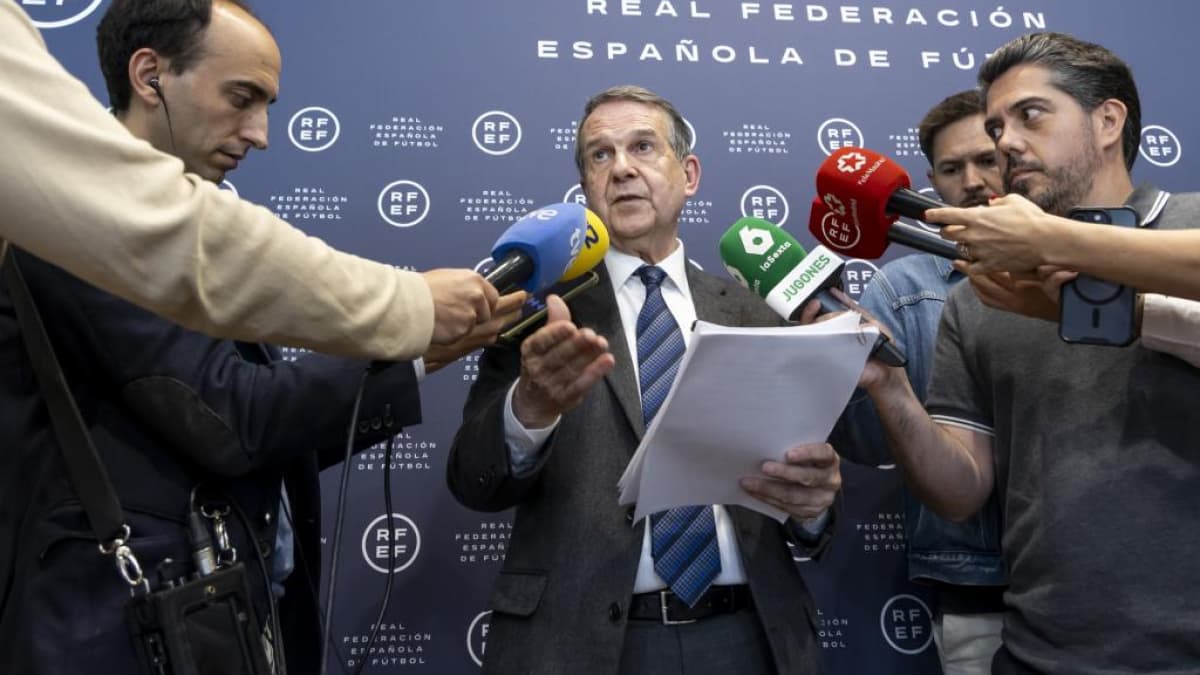
Abel Caballero denuncia a la RFEF por alterar puntuaciones y excluir a Vigo del Mundial 2030.
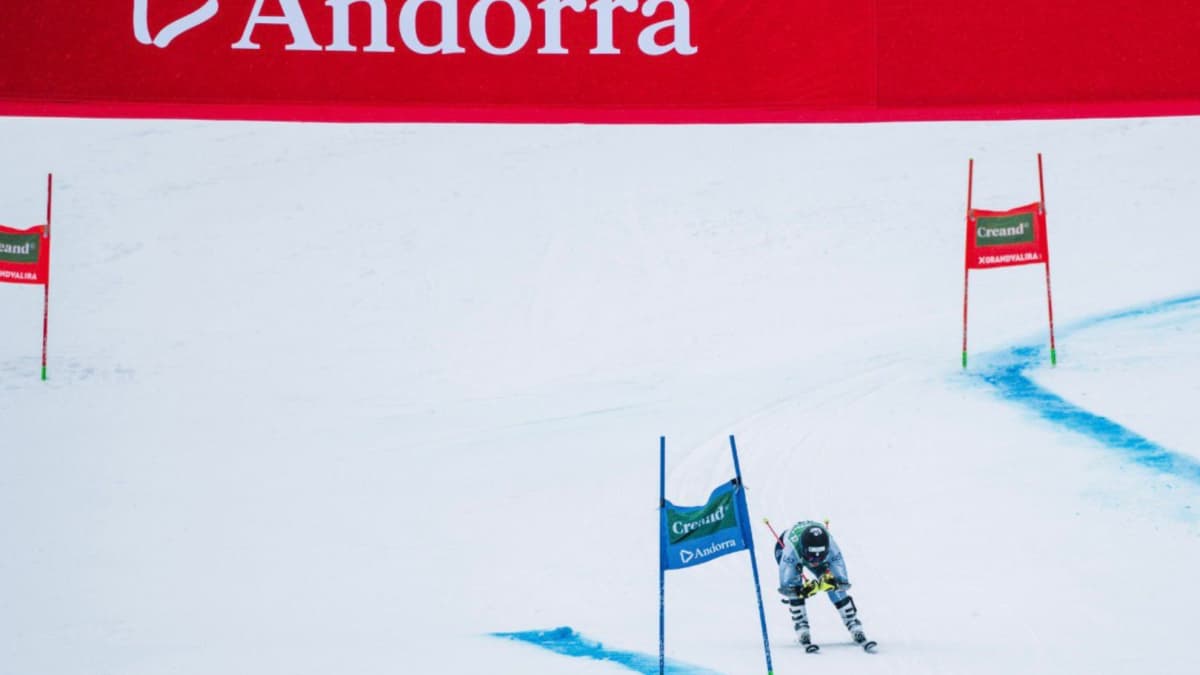
La Copa del Mundo de esquí 2027 se celebrará en Soldeu, ¡no te lo pierdas!
See every story in Sports — including breaking news and analysis.
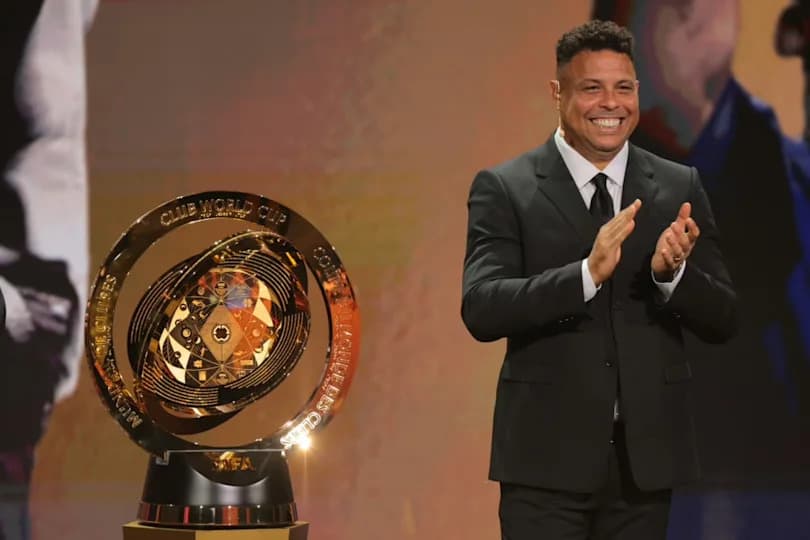
Ronaldo Nazário — 15 Goals
Ronaldo sits atop the list as the greatest South American scorer in FIFA World Cup history with 15 goals, a testament to his explosive finishing ability and elite movement inside the box. His legendary performance during the 2002 World Cup, where he scored eight goals and led Brazil to the title, remains one of the greatest individual tournament runs ever. Ronaldo combined blistering pace, technical brilliance, and composure under pressure, making him nearly impossible to defend at his peak. Even after overcoming devastating knee injuries, he still returned to dominate the world stage and solidify his legacy as one of football’s greatest strikers.
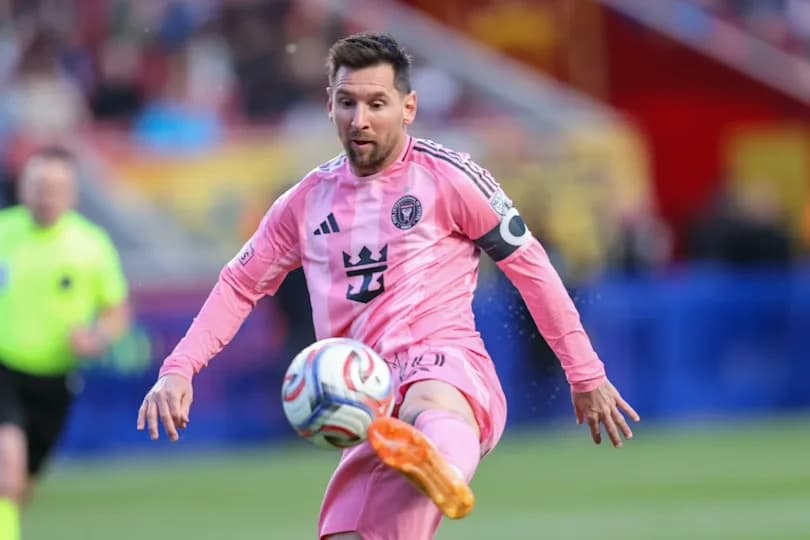
Lionel Messi — 13 Goals
Lionel Messi finally completed his football journey by winning the 2022 World Cup while climbing near the top of the all-time scoring charts with 13 goals. Unlike traditional strikers, Messi’s brilliance extends far beyond finishing, as he also orchestrates attacks, creates chances, and controls the tempo of matches. His performances in Qatar showcased leadership, creativity, and relentless determination as he carried Argentina through pressure-filled knockout games. Messi’s World Cup legacy is now complete, blending unforgettable goals with one of the most emotional championship triumphs the sport has ever witnessed.
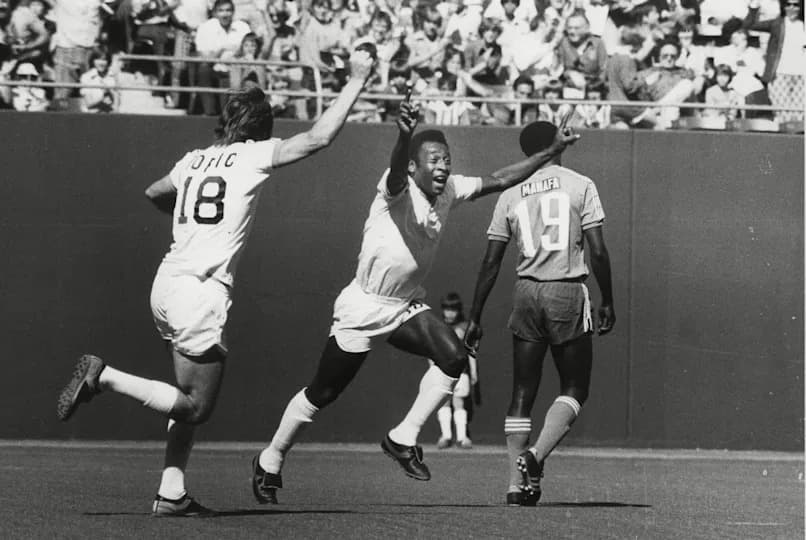
Pelé — 12 Goals
Pelé remains one of football’s most iconic figures and one of the greatest World Cup performers in history with 12 goals. He won three World Cups with Brazil and became the global face of the sport during football’s rise in international popularity. Pelé possessed extraordinary athleticism, intelligence, creativity, and finishing ability that allowed him to dominate opponents in multiple eras. His impact extended beyond statistics, as he helped transform Brazil into the sport’s ultimate football powerhouse.
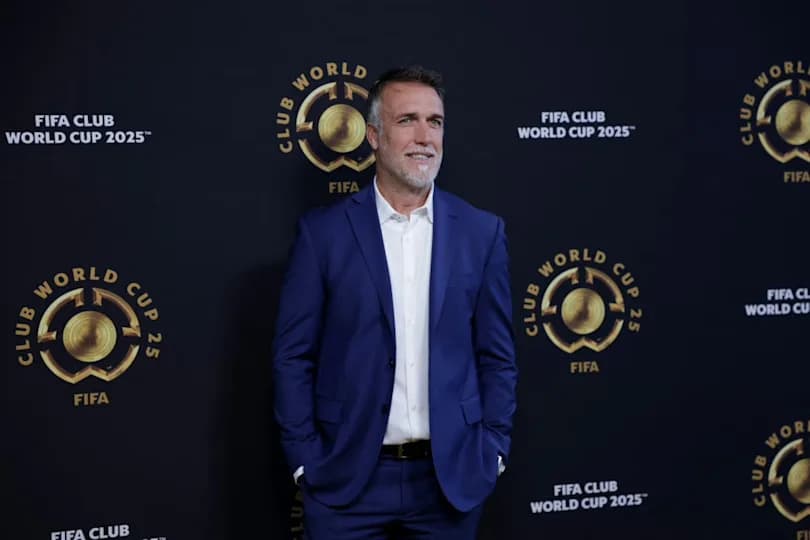
Gabriel Batistuta — 10 Goals
Gabriel Batistuta was one of the deadliest pure strikers of his generation, scoring 10 World Cup goals with remarkable consistency. Known for his thunderous shot and ruthless finishing, Batistuta could score from virtually any angle or distance. He famously recorded two World Cup hat tricks, highlighting his ability to dominate games against elite competition. Even without winning the tournament, Batistuta remains one of Argentina’s most respected and feared attacking legends.
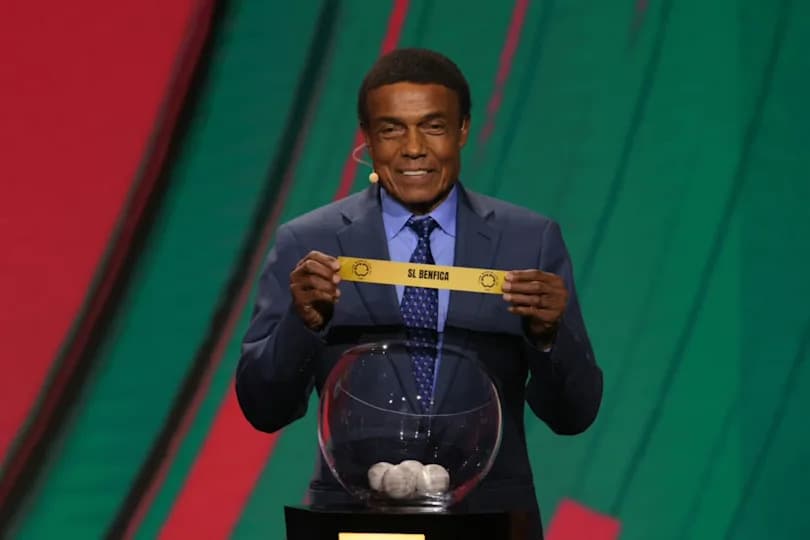
Teófilo Cubillas — 10 Goals
Teófilo Cubillas is widely regarded as Peru’s greatest football player and one of the finest attacking midfielders in World Cup history. His 10 goals came with elegance, technical skill, and remarkable composure in crucial moments. Cubillas was especially admired for his creativity and ability to produce spectacular finishes from midfield positions. Despite playing for a nation without Brazil or Argentina’s global prominence, he earned worldwide respect for his brilliance on football’s biggest stage.
Ademir dominated the 1950 World Cup, where he finished as the tournament’s leading scorer with nine goals. His sharp instincts inside the penalty area made him one of Brazil’s earliest great attacking stars. Although Brazil heartbreakingly lost the final match to Uruguay in the famous “Maracanazo,” Ademir’s individual brilliance remained unforgettable. His performances helped establish Brazil’s reputation as a nation capable of producing elite attacking talent.
Jairzinho achieved one of the rarest accomplishments in World Cup history by scoring in every match of the 1970 tournament. Playing alongside Pelé on one of football’s greatest teams, Jairzinho combined explosive speed with relentless attacking aggression. His ability to burst past defenders and finish clinically made him a nightmare matchup throughout the competition. The 1970 Brazil squad remains iconic, and Jairzinho was one of its most devastating weapons.
RELATED: 2026 FIFA World Cup Golden Boot odds
Vavá played a crucial role in Brazil’s back-to-back World Cup victories in 1958 and 1962. Nicknamed “The Chest,” he was known for his physicality, powerful finishing, and ability to score in massive matches. Vavá scored in consecutive World Cup finals, proving his ability to thrive under pressure. Though often overshadowed by Pelé and Garrincha, he was one of the most reliable scorers of Brazil’s early golden era.
Leônidas was one of football’s earliest superstars and helped popularize the bicycle kick with his acrobatic style of play. He scored eight World Cup goals despite competing in an era with far fewer matches than modern tournaments. Leônidas brought flair, creativity, and entertainment value that captured global attention during the 1938 World Cup. His influence on Brazilian football culture can still be seen in the country’s attacking identity today.
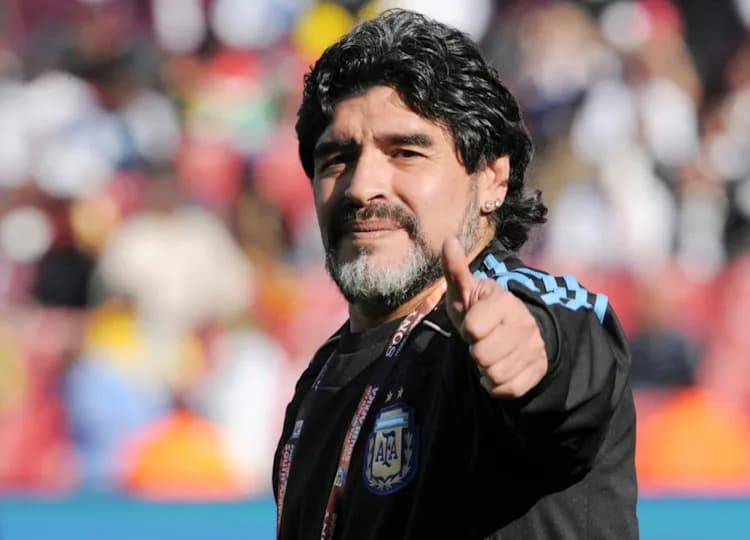
Diego Maradona — 8 Goals
Diego Maradona may have scored only eight World Cup goals, but his influence on matches went far beyond the numbers. His legendary 1986 campaign remains one of the greatest individual World Cup performances ever, highlighted by the “Goal of the Century” against England. Maradona combined genius-level dribbling with unmatched creativity and emotional intensity that inspired Argentina to the title. Few players in football history have ever controlled tournaments the way Maradona did at his peak.
Óscar Míguez played a major role in Uruguay’s historic 1950 World Cup triumph. Known for his intelligent positioning and sharp finishing, Míguez consistently delivered goals in crucial moments for his country. He helped Uruguay shock Brazil in the legendary Maracanazo, one of the most famous upsets in football history. Though less globally recognized today, his contributions remain deeply respected in Uruguayan football history.
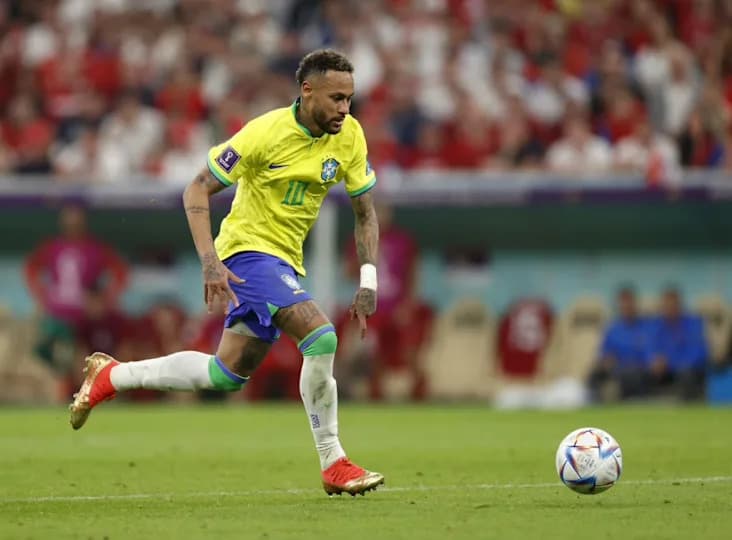
Neymar — 8 Goals
Neymar brought flair, creativity, and technical brilliance to multiple World Cup tournaments for Brazil. His dribbling ability and attacking versatility allowed him to score in a variety of ways while also serving as Brazil’s emotional leader. Injuries unfortunately interrupted some of his World Cup campaigns, particularly in 2014 when Brazil lost him during the knockout stage. Even so, Neymar’s talent and production secured his place among the continent’s greatest World Cup scorers.
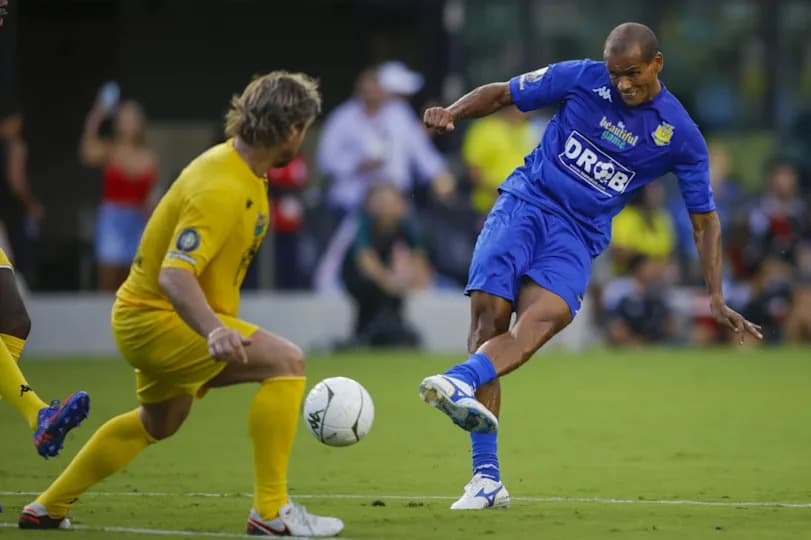
Rivaldo — 8 Goals
Rivaldo was instrumental in Brazil’s 2002 World Cup-winning squad alongside Ronaldo and Ronaldinho. His left foot, vision, and composure consistently created dangerous opportunities in the final third. Rivaldo scored crucial goals throughout the tournament and often delivered in high-pressure situations. While Ronaldo received much of the spotlight, Rivaldo’s all-around brilliance was equally vital to Brazil’s success.
Guillermo Stábile made history during the inaugural 1930 FIFA World Cup by finishing as the tournament’s top scorer with eight goals. Remarkably, he accomplished the feat despite not playing in Argentina’s opening match. Stábile showcased exceptional instincts and clinical finishing that helped Argentina reach the final. His performances ensured his place among the pioneers of World Cup greatness.
Conclusion
South America’s football history is filled with extraordinary scorers who transformed the FIFA World Cup into a stage for greatness. From Pelé and Maradona to Messi and Ronaldo, these legends delivered unforgettable goals that became part of the sport’s global identity. Their achievements continue to inspire new generations of footballers while reminding fans why South America remains one of football’s greatest talent-producing regions.