Sports
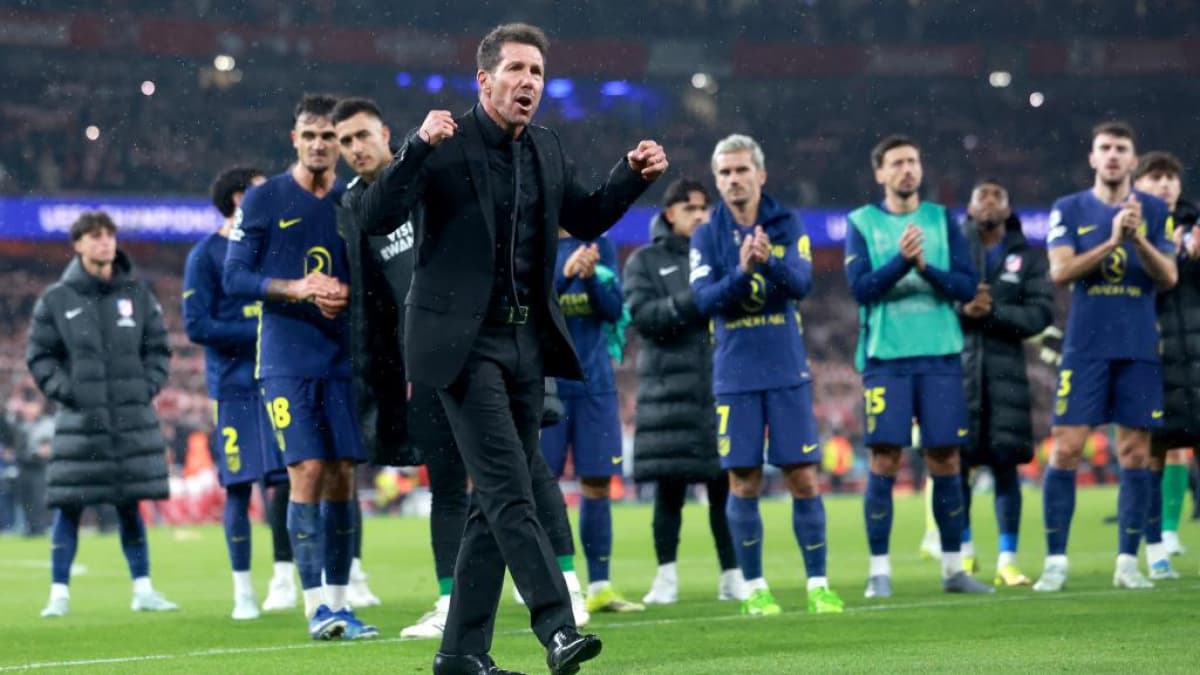
El Cholo hace al Atlético... ¡billonario!
El Cholo hace al Atlético de Madrid milmillonario con 935,6 millones en Champions
Marca1 min read
The USL is implementing a three-tiered promotion-relegation system, impacting stadium design and team revenue strategies. This change marks a significant shift in U.S. sports culture, aligning it more with international soccer practices.
Mentioned in this story
The HOK-designed American Legion Memorial Stadium in Charlotte.
Peter Brentlinger
The prospect of promotion and relegation coming to U.S. sports for the first time thanks to USL soccer has ramifications beyond the teams on the pitch, reaching into the stands and helping redefine the way USL stadium design occurs.
The USL announced plans to shift to a three-tiered promotion-relegation system—like what is common across international soccer—creating three distinct divisions within USL teams shift through based on results on the field. Each potential move comes with ramifications. And each ramification comes with a revenue benefit or drawback, especially as young USL teams continue to work to create dedicated fan bases.
“I think that the philosophy of relegation and promotion is very novel to the U.S. Introducing it here is refreshing, but it creates an uncomfortable zone,” Rashed Singaby, HOK director of sports, recreation and entertainment and design principle on multiple soccer stadiums within the U.S., tells me. “I think it is a very healthy thing to bring into U.S. sports.”
A rendering of the new Detroit City FC Stadium from HOK.
HOK
It also brings a new perspective to stadium design. In closed leagues, such as common in the U.S. with MLS, NFL, MLB, NBA and NHL, circumstances come predictable. Teams know their broadcast revenues won’t drastically change, can predict attendance figures and plan on sponsorship revenues. “Those now move into an unpredictable bucket and things will have to be a little more flexible,” Singaby says. For stadium design, that eliminates a set prescription, forcing ownership groups to react to team results annually.
In the top division, teams will earn more revenue and may attract more attention from broadcasters, sponsors and fans. If that same team gets relegated, it will likely lose a portion of that interest. “So, are we overbuilding a stadium?” Singaby asks. “What that means for design is flexible stadiums that potentially need to expand on capacity or shrink.”
The USL is introducing a three-tiered promotion-relegation system that allows teams to move between divisions based on their performance.
The promotion-relegation plans will influence stadium design by necessitating changes to accommodate varying fan bases and revenue models associated with different league tiers.
The new system could lead to revenue benefits or drawbacks for teams, particularly as they work to establish dedicated fan bases in their respective divisions.
The specific timeline for implementing the promotion-relegation system in the USL has not been detailed yet.
El Cholo hace al Atlético de Madrid milmillonario con 935,6 millones en Champions
Bengaluru loses IPL 2026 final hosting rights to Ahmedabad due to logistical issues.
New York Mets' April was horrific, but May shows signs of improvement.
Caitlin Clark no longer the top WNBA franchise player as Paige Bueckers takes the lead.
See every story in Sports — including breaking news and analysis.
A promotion or relegation move could swing attendance by an average need of 5,000 seats per division. That means a team moving from the lowest tier in USL two divisions up to the top could see a nightly fan increase by as much as 10,000 fans. That requires foresight in planning. “I think we are just scratching the tip of what exactly that means,” Singaby says. “The first practical design case has yet to come for us to dig in and come up with those constraints.”
Still, brick and mortar won’t be the most efficient way to build in the future. Singaby says prefabricated solutions—items that can be craned into a site and then taken away—will become the norm. That may mean suites or concession amenities are brought in, hooked up and services get connected and expanded as needed. “Maybe what we are designing for day one is the infrastructure to plug and play those components but not bringing in those pieces quite yet,” he says.
That new thinking of design has already started. USL teams have long aspired to attain MLS expansion status, so Singaby says HOK has received requests to have stadium capacity flexibility for some time. As HOK works on USL stadium designs in Detroit and Omaha, that doesn’t change.
Energizer Park in St. Louis, designed by HOK.
Michael Robinson
What is new is the more unfamiliar element of dealing with shrinkage for when relegation hits. Singaby says along with the examples of plug-and-play suites and concessions comes the idea of how to build a seating bowl. Options abound, including building out one side of the stadium with a full range of amenities, while leaving the two ends and the other side available for modular needs. Another idea involves creating picnic berms on the end lines that can also house modular seating if more capacity is needed. Those types of ideas scratch the surface of possible approaches.
There’s not much of a precedent to look at in making this happen, as many of the international leagues operating in this model have historical fan bases that don’t ebb and flow to the same extent as is expected in the U.S. To help handle the uncertainty, owners are more readily welcoming the multi-purpose nature of soccer stadiums. “For the USL, embracing the opportunity for hosting events like concerts is going to be key so when the not-so-sunny days in the league come they can activate and generate revenue in the stadium,” he says. “They have to start to be nimble.” That focus is needed for both the teams and the stadiums.
This article was originally published on Forbes.com