
SoccerRecap
Back on? Man City extend title race with necessary Palace win
Man City extends title race with a crucial 3-0 win over Palace!
Sky Sports1 min read

Gina Carano highlights the evolution of MMA training, describing it as 'smarter' compared to her early days in the mid-2000s. She emphasizes the importance of recovery and strategic preparation ahead of her upcoming fight with Ronda Rousey.
Gina Carano had one key word to describe the difference in MMA training now compared to what she experienced her first time around, back in the mid-2000s, when the sport was still finding its legs.
Smarter, Carano told reporters at a recent media event to promote her fight with Ronda Rousey on the MVP MMA event that airs on Netflix this Saturday. That was the word for it.
“Smarter training,” Carano said. “Because we used to go into the gym and just beat the living hell out of each other. Now it's smarter, there's recovery. It’s just a smarter sport now than when I came up and we just destroyed ourselves.”
Ask just about anyone who experienced life in a working fight gym back in those early days in MMA’s evolution and they’ll tell you she’s right. There was a time when many people believed that the only way to prepare for an MMA fight was to walk through fire in practice day after day.
It was a world of extremes, you might say. Hard sparring sessions that left participants splayed out and unconscious. Conditioning routines that resembled medieval torture techniques. Relentless punishment was the order of the day. If it was painful and deeply unpleasant, the thinking went, then it must be good preparation for the crucible of a cage fight.
“Guys just used to fight every day,” former UFC lightweight Yves Edwards told Uncrowned. “I mean, it was an every day thing, just going hard. No working on specifics. Like, trying to work behind the jab to set up the right hand or trying to set up the takedown off combos. None of that. Just straight up, who’s the tougher guy? It used to be just fights in the gym, man.”
This is one topic on which there is great consensus. Talk to almost any fighter from that era and you’ll find that just about everyone has stories of wild gym wars they’ve either witnessed or participated in. Sparring made up such a huge chunk of practice time for many fighters. Taking it easy on each other was a foreign concept.
Brian Stann, who made his pro MMA debut in 2006 before retiring into a full-time UFC commentary gig in 2013, said he still has this conversation with former teammates, recalling the crazy things they did in training.
Gina Carano described MMA training now as 'smarter,' emphasizing the focus on recovery and strategic preparation rather than just intense physical punishment.
Gina Carano's fight with Ronda Rousey is scheduled to air on Netflix this Saturday.
MMA training has shifted from a focus on intense physical sparring to a more strategic approach that includes recovery and smarter training methods.
Gina Carano is promoting her upcoming fight with Ronda Rousey at the MVP MMA event.
Man City extends title race with a crucial 3-0 win over Palace!

Hearts beat Falkirk but must wait for title after Celtic's win

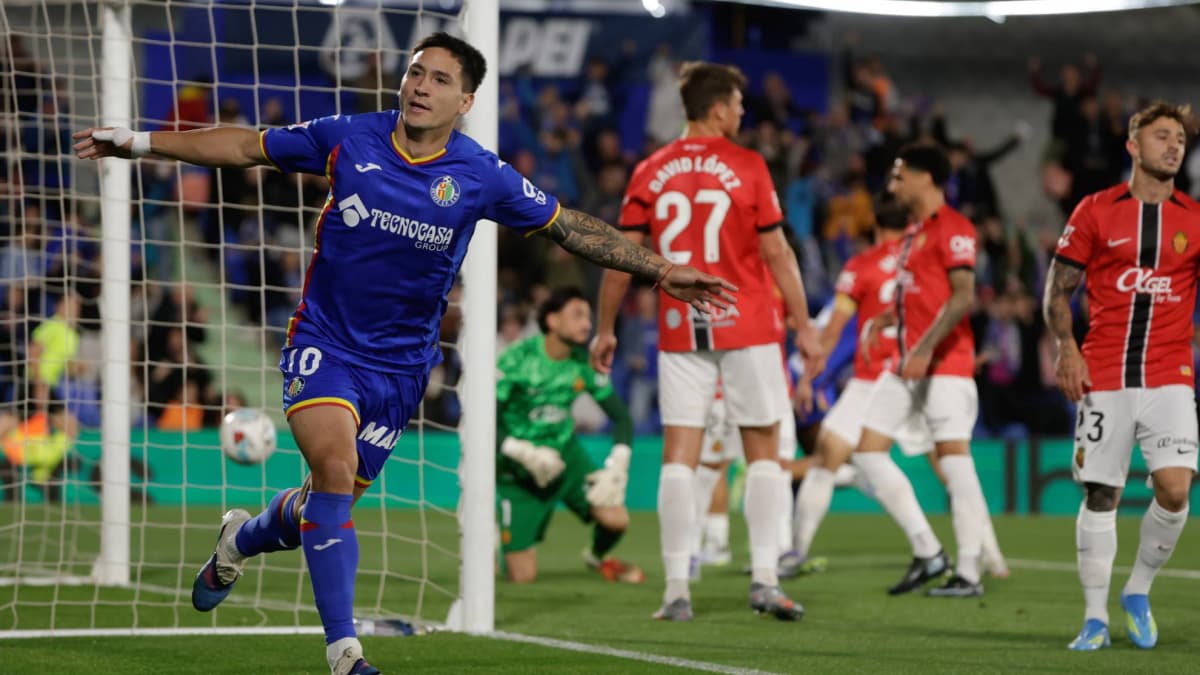
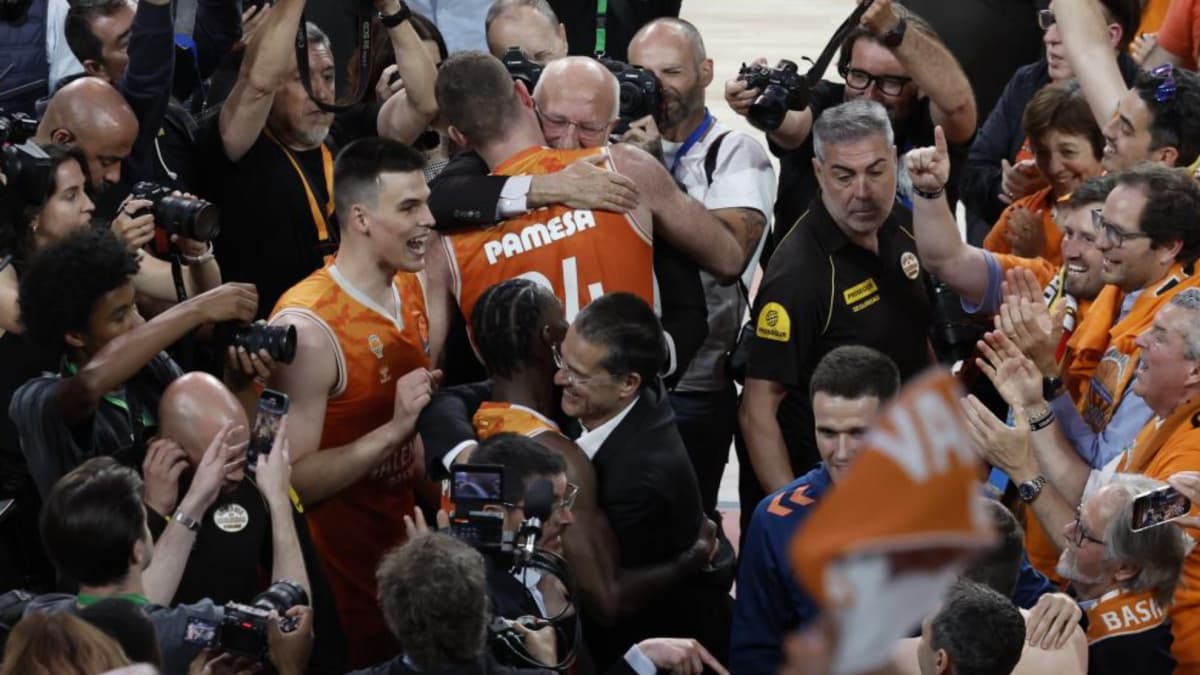
El Valencia y el Real Madrid se enfrentarán en la Euroliga el 22 de mayo. ¡Un finalista español asegurado!
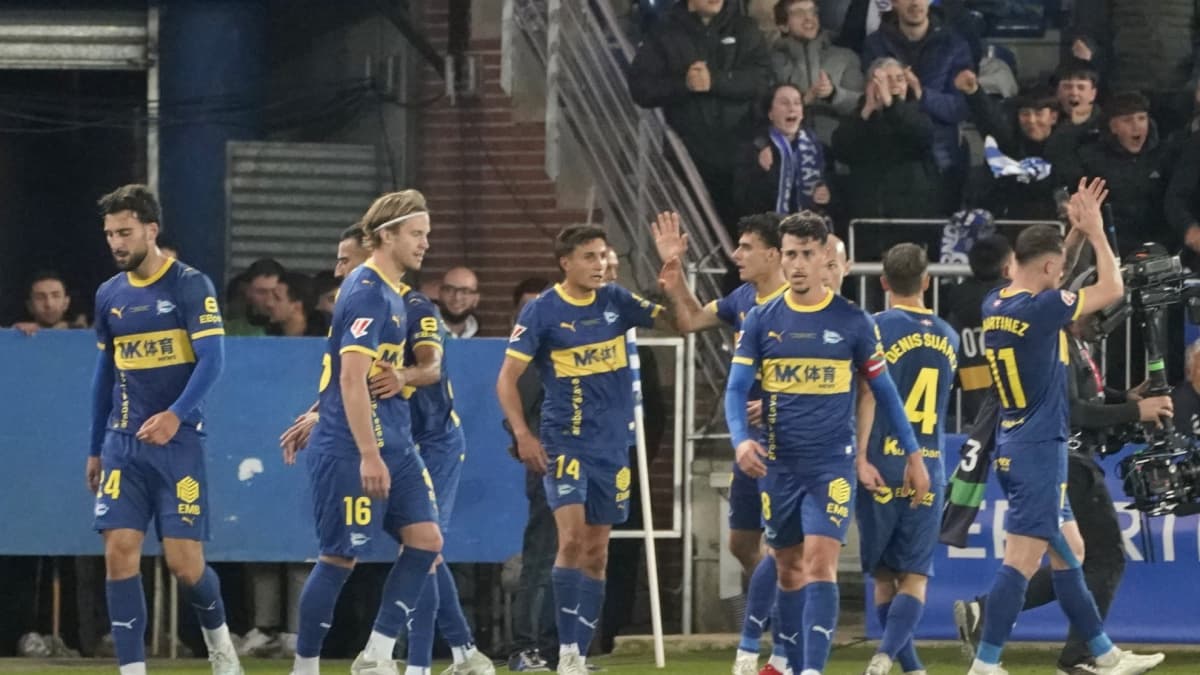
El Alavés celebra una victoria clave contra el Barça, saliendo del descenso.
See every story in Sports — including breaking news and analysis.
“Me and [former UFC fighter] Keith Jardine were just talking about this, some of the wars we were in with each other in the gym, and how many years did we potentially shave off our careers?” Stann said. “I mean, I saw [former UFC light heavyweight champion] Rashad Evans get knocked out in the gym the week before the [Lyoto] Machida fight [a title defense Evans lost via knockout]. That kind of stuff happened. We definitely didn’t train smart.”
Part of the problem, Stann suggested, was that so many fighters thought toughness was the most important quality, and must be proven in the gym every day. The big MMA fight gyms, like the Jackson-Winkeljohn camp where Stann trained, created a shark tank environment that weeded out the weak, but also led to “a room full of alpha males” who never wanted to back down in front of one another.
They needed each other as sparring partners, since few in MMA had the money back then to set up their own training camp focuses solely on the one guy getting ready for a fight. But that “super gym” approach also came with some drawbacks.
Sept. 17, 2008: Gina Carano wraps her hands inside a Los Angeles gym. MMA was in a very different place in those days.
(Robert Laberge via Getty Images)
“It was a top-of-the-food-chain environment that was really hard to control,” Stann said. “Even if Greg Jackson or Mike Winkeljohn told us, ‘Hey guys, tone it down,’ do you really think me, Rashad, Georges St-Pierre and Joey Villasenor are going to want to be the one who backs off? I think now more people are using something like more like a boxing approach. You don’t need to be out here sparring with all-stars with different styles. You need someone who can mostly closely mimic the guy you’re going to fight.”
Aaron Riley, who began his career in the late 1990s, said that period of MMA also had a strong copycat element to it. The sport itself was still new and changing rapidly. If one style or strategy brought success, others rushed to emulate it. This also went for training techniques. If some guys worked out in special training masks and then won a few fights, everyone else assumed this must be the thing to do.
“I mean, Rocky chased chickens and he beat Apollo Creed,” Riley said. “That means I should chase chickens too, right?”
Riley observed this phenomenon after training at Miletich Fighting Systems in Iowa, he said. The Miletich gym had multiple champions and top contenders at one point, so people assumed their notoriously hard sparring must be the way to go.
“I had heard those stories and then when I saw it firsthand it was just like, ‘Damn, you guys really get after it, huh?’ It was routine to see guys get dropped or knocked out in sparring. And it wasn’t just them. I saw that in lots of gyms. That starts to seem kind of normal at a certain point.”
How many years did we potentially shave off our careers? I mean, I saw Rashad Evans get knocked out in the gym the week before the Machida fight. That kind of stuff happened. We definitely didn’t train smart.
Former UFC fighter Brian Stann
One person who related to Carano’s comments about how much MMA training has changed is her former opponent, Julie Kedzie. Kedzie fought Carano at an EliteXC event in 2007, when women’s MMA was still being gradually adopted by more and more fight promotions.
“I think the most succinct way to explain what’s changed since then is, we just know so much more know,” Kedzie said. “MMA hadn’t been around all that long. We were still learning how to train for it. But it was also other stuff, like how often did I get the chance to watch film on an opponent? This was back when we still had dial-up internet. I remember watching the Smackgirl tournament that Marloes Coenen won and I ended getting a $400 phone bill for that. Now you could just find it on a streaming service somewhere.”
It was also a harder time to be a woman in MMA. Suitable sparring partners could be hard to find in some gyms, which left women sparring with whatever male fighter was closest to her in weight.
“Not that women and men should train different, but if all you have is male sparring partners, that’s not the body type you’re preparing to fight,” Kedzie said. “I think for me there was also this element of always wanting to prove I belonged. I might not run as fast or hit as hard, but I’m going to prove myself by never quitting and always going hard. It was always this undercurrent of trying to prove that you belonged.”
The other big difference, Kedzie said, was in recovery and medical care. Back in those days, if you got rocked in sparring, your main job was to get your wobbling body off the mats and stay out of everyone else’s way. Beyond an ice pack to put on your head, no one was likely to offer you much to aid your rebound.
Gina Carano (right) has not competed in MMA since 2009.
(MediaNews Group/Los Angeles Daily News via Getty Images via Getty Images)
“I think we were always thinking about toughness,” Kedzie said. “Toughness is useful. It might help you when you get in the fight and think, ‘I know I can survive this because of what I went through in training.’ But you do need to get those injuries taken care of. We wouldn’t tell a soccer player to keep practicing on an injured ankle to improve their toughness.”
This is the part that still gets to Edwards when he compares his experiences with those of the newer generation. He made his MMA debut in 1997, back when the sport was still dragging itself out of the primordial ooze. By 2003 he’d become a regular in the UFC, but that didn’t mean he was living or training like a professional athlete. Hardly anyone back then was, he said. With paltry payouts (even by MMA standards), who could afford it?
“Now we have guys who train in the same facilities as NFL players, NBA players. The money coming in has helped a lot,” Edwards said. “We didn’t have that. The biggest thing we missed out on was recovery. Now they’re doing cryotherapy and [branched-chain amino acids] and all this other stuff. If we were able to get a massage after a really tough training session, that was a luxury.”
Sometimes, he said, the younger fighters actually seem to want to hear these stories of what it used to be like. Other times they don’t. It can be hard for them to understand what it used to be like. It’s not like MMA training is known for being easy now, so perhaps they can’t relate to the back-in-my-day tales of woe.
“It’s kind of like telling people about black-and-white TV and rotary phones,” Edwards said. “That’s really what it is. They’ve come up in a world that’s so far ahead of where we were. It’s like, I was just showing my daughter ‘The Jetsons’ [TV show]. She’s five. Trying to explain to her, this is what we thought the future would be like, she can’t really understand how cool we thought it would be to look at someone on a screen while you’re talking to them on the phone. That’s what it’s like. You kind of had to be there.”

