
Crypto
Bitcoin is above $70,000 on Iran ceasefire, but rally is turning cautious for good reasons
CoinDesk
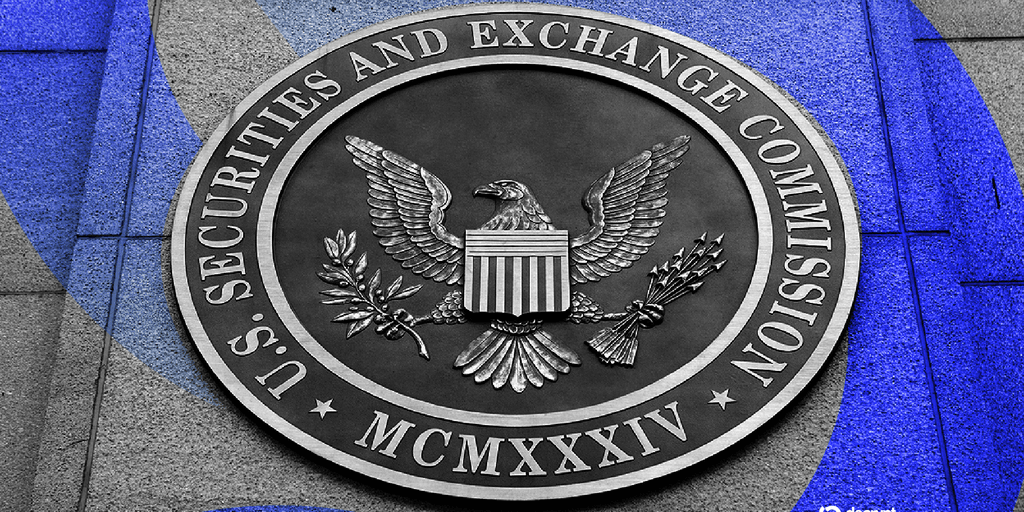
The SEC has dismissed seven major crypto cases, resulting in a 22% drop in enforcement actions and penalties falling to $2.7 billion from $8.2 billion. The agency claims prior enforcement efforts created 'misguided expectations' and is shifting towards formal rulemaking under new leadership.
The SEC has said that the crypto enforcement campaign conducted under its previous leadership set "misguided expectations" in an annual report that appears to formally reject its past actions against crypto firms.
Resources "have been misapplied in prior years to pursue media headlines and run up numbers," the Commission said, adding that this has "led to misguided expectations on what constitutes effective enforcement."
It comes as the Commission, now led by SEC Chairman Paul Atkins, moves to replace enforcement-driven oversight with formal rulemaking, including a proposed innovation exemption framework and a dedicated Crypto Task Force led by Commissioner Hester Peirce.
The agency is now redirecting its resources “toward the types of misconduct that inflict the greatest harm,” Atkins said in a statement, pointing to the agency's efforts at addressing conduct involving “fraud, market manipulation, and abuses of trust.”
Despite the pullback, the Commission still pursued fraud-related crypto cases during the fiscal year, maintaining that outright fraud remains within its enforcement mandate.
Enforcement actions fell 22% to 456 in fiscal year 2025, while monetary relief dropped to $2.7 billion from $8.2 billion the prior year, excluding a legacy Ponzi scheme judgment that inflated the headline figure to $17.9 billion.
At least seven major crypto cases filed under former Chair Gary Gensler were dismissed during the period, including actions against Consensys, Kraken, and Cumberland DRW, the agency said.
Registration-based crypto actions, off-channel communication sweeps, and dealer-definition cases filed since FY2022 produced "no investor benefit or protection" and reflected "a bias for volume of cases brought versus matters of investor protection," the Commission said.
The enforcement report caps a broader retreat that has seen the Commission drop a number of cases and dismiss its own appeal of the dealer-definition rule early last year. Democratic lawmakers, meanwhile, have criticized the pullback, arguing it has eroded investor confidence.
Still, the results indicate a “a pivot from regulation-by-enforcement toward collaborative oversight,” and aims to create new “safe harbors” for decentralization, Markus Levin, co-founder of decentralized data network XYO, told Decrypt.
This operates alongside a broader reclassification of digital assets as commodities, a regime that could help reduce “legal risk for innovators,” he added.
With those set, the federal agency could now focus on “tackling real investor harms like rug pulls and market manipulation,” instead of going through “technical battles over token classification,” as before, Levin noted. In effect, this provides crypto firms with “more room to engage with regulators without the same risk of retroactive enforcement,” he said.
Such a reversal opens the agency to “a more constructive, rules-based approach” that could help “ease regulatory overhang and unlock a new wave of institutional capital” into the crypto industry, Dominick John, researcher at Zeus Research, told Decrypt.
While the move could represent “a hard reset,” the agency’s actions “strips away broad regulatory drag while sharply raising the stakes on governance,” which works to the advantage of institutional operators, he added.
Share this article
The SEC dismissed the cases as part of a shift in strategy, stating that previous enforcement efforts created 'misguided expectations' about effective regulation.
SEC penalties dropped from $8.2 billion to $2.7 billion over the past year.
The SEC is moving towards formal rulemaking and establishing a dedicated Crypto Task Force to replace its previous enforcement-driven approach.



See every story in Crypto — including breaking news and analysis.