
News
Greens launch local election campaign with focus on housing
BBC News
Lidl is building a pub because it could not obtain a standard off-sales license for its Dundonald store, and the pub license allows it to operate an off-sales section.
Lidl faced a High Court challenge from rivals who claimed the supermarket was exploiting a loophole to operate an off-licence unlawfully.
Lidl's first pub is being built in Dundonald, a suburb in east Belfast, Northern Ireland.
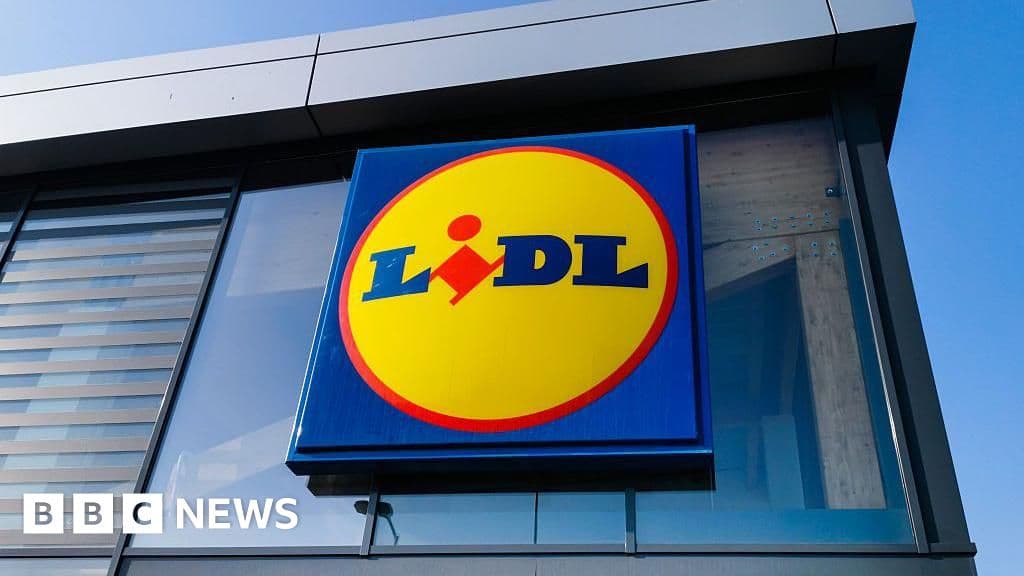
Lidl is constructing its first pub in Northern Ireland due to strict licensing laws preventing it from obtaining a standard off-sales license for its Dundonald store. The pub will allow Lidl to legally operate an off-sales section despite facing legal challenges from competitors.
The supermarket chain Lidl has begun building its first ever pub at a site in Northern Ireland.
The development is an unusual consequence of Northern Ireland's strict licensing laws.
Lidl was unable to get a standard off-sales licence for its shop in Dundonald in east Belfast.
Instead it is building a pub, as its licence comes with the legal right to operate an off-sales section.
The plan had faced a High Court challenge from rivals who argued Lidl was trying to use an unlawful loophole to operate an off-licence.
That was dismissed in January 2025 by Mr Justice Colton who said the law did not stand in the way of a business taking an innovative approach.
He ruled that "the fact that the application is a novel one is not a reason for refusing it".
The pub, which will accommodate up to 60 customers, will not operate in store, but will be in separate premises next door.
Lidl's managing director for Northern Ireland Gordon Cruikshanks said: "After six years in the planning process, we're delighted to today confirm the development of a brand new public house and associated off-sales located adjacent to our Dundonald store."
It is expected to open this summer and the company said it will serve "selected lines" from Lidl's beer, wine and spirit range, with a focus on promoting local suppliers.
In Northern Ireland, supermarkets must overcome two hurdles before they can start to sell alcohol.
They first must buy a licence which has been "surrendered" by another business, such as a pub which is closing down.
This "surrender principle" acts as a strict cap on the number of premises which can sell alcohol.
Secondly, the supermarket must pass the "inadequacy" test in which it has to show the number of existing licensed premises in an area is inadequate to meet the needs of the public.
Lidl was not able to pass the inadequacy test for a standard off-licence.
It was able to pass the test for a pub as two bars close to the supermarket have closed in recent years.
These unique circumstance means Lidl is unlikely to be adding pubs to its 13,000 shops across the world.
Last year Northern Ireland's communities minister rejected the findings of an expert report which said a reform of the surrender principle could increase competition and innovation.
Share this article


See every story in News — including breaking news and analysis.