
Crypto
DeFi yields are crashing so hard that they can't compete with a traditional savings account
CoinDesk
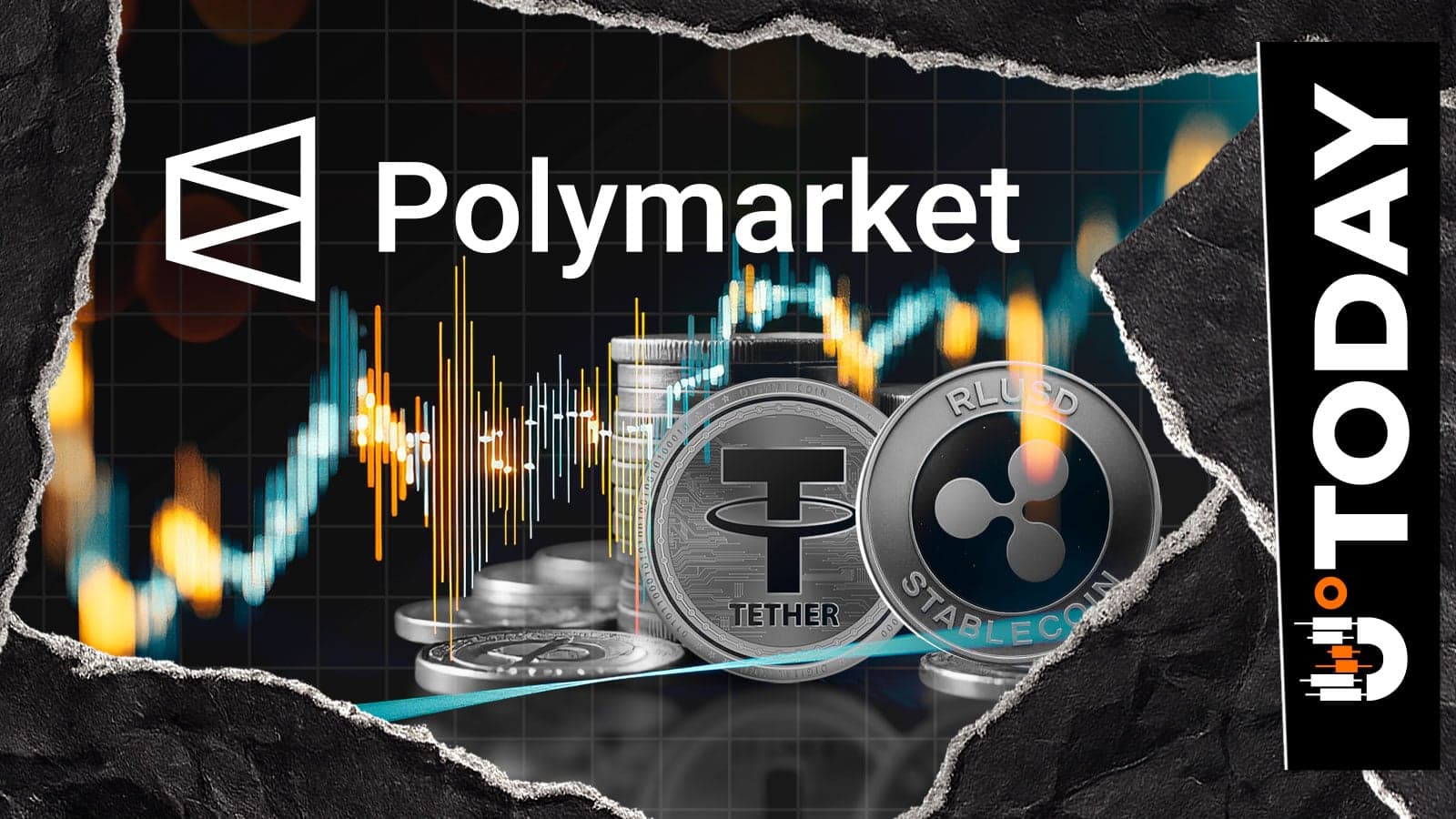
Popular prediction market platform Polymarket has announced plans to launch its own stablecoin. According to the update, the new stablecoin — which could rival Ripple’s USD stablecoin (RLUSD), Circle's USDC and Tether's USDT — will be known as PolymarketUSD.
Notably, the prediction platform is migrating from its bridged USDC.e version to this new collateral token. While it will be backed 1:1 by USDC, it is not an independent stablecoin like RLUSD or USDT and can only be used internally inside Polymarket.
The Polymarket platform will automatically convert USDC to PolymarketUSD, and users will just have to approve the conversion once. Thereafter, everything will work seamlessly.
Polymarket Announces It Will Use Its Own Stablecoin
The largest prediction market, Polymarket, will migrate from USDC.e to a new Collateral Token (PolymarketUSD), backed 1:1 by USDC.
Power users and API-only traders will need to wrap their USDC or USDC.e into PolymarketUSD via… pic.twitter.com/y31fNe90Zt
— Wu Blockchain (@WuBlockchain) April 7, 2026
However, for advanced users who use trading bots, API integrations and programmatic trading, they will need to engage in manual conversion of their tokens.
The upgrade is essential to eliminate bridge risks, and enable faster execution and better liquidity. Polymarket will be better able to control collateral using its own wrapped tokens as it simplifies internal accounting.
Additionally, it will ensure improved infrastructure and lower gas fees. It will also make it easier for Polymarket to upgrade in the future as having its own collateral token offers more flexibility. All these would make the platform more efficient and attractive for institutional trading.
This launch of its own stablecoin could signal a bigger strategic move in the prediction-market industry as Polymarket continues to grow in influence. Given that institutional traders often operate via smart contract wallets, Polymarket might be preparing for algorithmic trading or larger liquidity providers.
Meanwhile, a crypto enthusiast, Tx_Hash, has called on Polymarket to make the wrap/unwrap process seamless and affordable. According to him, anything that is not cost-effective could cause the prediction platform to lose its most active users.
PolymarketUSD could slightly reduce reliance on major stablecoins like RLUSD and USDT.
However, the duo remains far ahead because they operate on a global scale and are not limited to internal usage like PolymarketUSD.
It is worth noting that as of March 2026, cross-border B2B payments transacted using stablecoin surged by 733%or $226 billion in global flows. Of this amount, Ripple’s USD stablecoin and Tether contributed to the figures. The same cannot be said of PolymarketUSD, as it will be strictly internal upon launch.
Additionally, Tether remains a leading player in the stablecoin space with a massive $84 billion in market capitalization. That achievement remains a tall order for any new entrant to flip.
Share this article
PolymarketUSD es el nuevo token de colateral que Polymarket planea lanzar, respaldado 1:1 por USDC. Solo se usará dentro de la plataforma, no como una stablecoin de uso general como USDT, USDC o RLUSD.
Polymarket quiere hacer este cambio para reducir los riesgos de puente y acelerar la ejecución. También busca mejorar la liquidez, bajar las comisiones de gas y simplificar la contabilidad interna.
La mayoría de los usuarios solo tendrá que aprobar la conversión una vez. Después de eso, Polymarket convertirá automáticamente USDC a PolymarketUSD para el uso normal en la plataforma.
Los usuarios avanzados tendrán que hacer la conversión manualmente. Esto incluye a quienes usan bots de trading, integraciones API o trading programático.
PolymarketUSD puede reducir un poco la dependencia de Polymarket respecto a las stablecoins grandes, pero no compite de forma directa a nivel global. Su uso estará limitado a Polymarket, mientras que USDT, USDC y RLUSD operan en todo el mercado.



See every story in Crypto — including breaking news and analysis.