News
Juddering McIlroy simply can't stop riding Masters rollercoaster
BBC News
The key issues include tax and welfare, alongside traditional concerns like schools and hospitals.
Scotland has adopted a different income tax and social security approach compared to the rest of the UK, starting in 2017.
The Scottish Parliament elections are scheduled for Thursday, May 7, 2026.
Every adult in the UK has a personal allowance of £12,570, meaning they do not pay income tax on this amount.
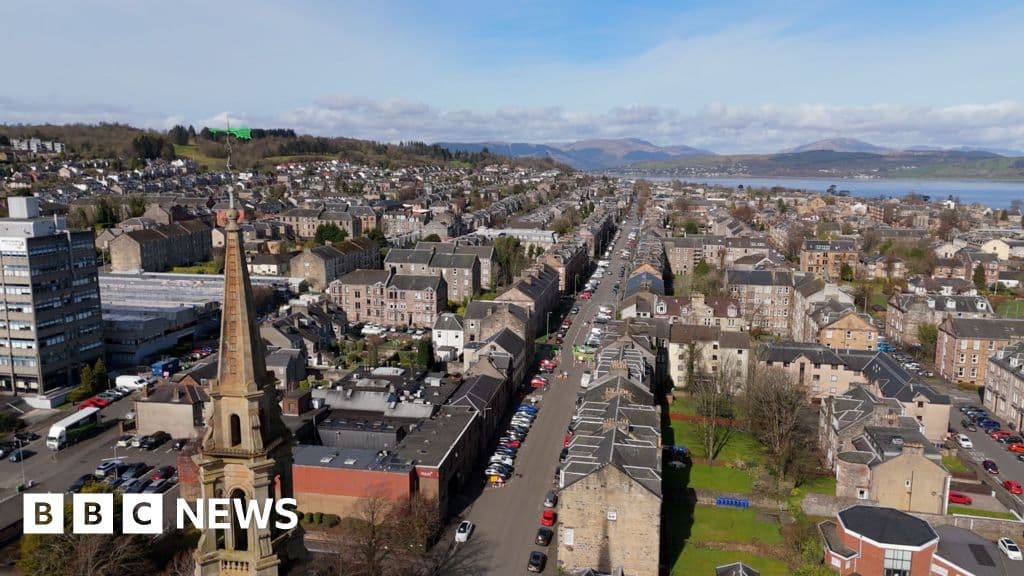
The upcoming Scottish Parliament elections on May 7 will focus on tax and welfare issues, reflecting Scotland's distinct approach compared to the rest of the UK. This shift, initiated in 2017, has intensified since the SNP's last victory in 2021.
Elections to the Scottish Parliament have always been about schools and hospitals but this time the vote will be about tax and welfare too.
In recent years Scotland has struck out on a different path to the rest of the UK when it comes to income tax and social security.
This shift began in 2017 but the difference has sharpened since the Scottish National Party won the last Holyrood election under Nicola Sturgeon in 2021.
This year's poll, being held on Thursday 7 May, is an opportunity for voters to have their say on the direction Scotland has taken under the SNP and the alternative routes proposed by other parties.
Every adult in the UK has a personal allowance of £12,570 on which they don't pay any income tax.
Above that, England, Wales and Northern Ireland have three different levels of tax but Scotland now has six.
The result is that lower earners in Scotland pay slightly less tax than they would if they lived elsewhere in the UK while middle and higher earners pay significantly more.
The Institute for Fiscal Studies (IFS) projects that 55% of income taxpayers in Scotland – those earning up to £33,500 per year – will be better off this financial year than people in the rest of the UK earning the same amount.
But the tax advantage will amount to no more than £40 per year each (77p per week).
The other 45% – those earning more than £33,500 – will take home less than their counterparts elsewhere in the UK, with someone on £50,000 paying about £1,500 more income tax per year in Scotland.
This figure rises to about £5,200 for someone earning £125,000.
The SNP government in Edinburgh presents this as a more progressive tax system which aims to redistribute wealth to tackle poverty in a nation where inequalities run deep.
Some economists have challenged that characterisation, pointing out that, rather than gradually increasing as income rises, the model contains several steep jumps in the rate of taxation, which may stifle growth and productivity by putting people off trying to earn more.
The IFS calculates that on paper the Scottish system should raise £1.8bn more in 2026/27 than if it had stuck with UK income tax policy but notes that the actual figure is forecast to be just under £1bn because of behavioural responses to higher tax rates and an underlying slowdown in earnings growth in Scotland.
For Jenna Lindsay, who manages Cafe Continental, a bar and restaurant in the Inverclyde town of Gourock, the political debate about taxation feels a long way from the pressures of real life. She is by no means sure that she will even vote.
"It's full on," she says. "You're like, how am I working all this and I've got nothing to show for it? It's hard.
"It's probably just a mix of everything. You earn a wage and then it all just gets taken off you - taxes and then the cost of living - everything's going up."
The SNP, which has been in government in Scotland since 2007, has also increased spending on social security.
In 2021 Sturgeon introduced the Scottish Child Payment (SCP), a benefit for families on low incomes.
Initially set at £10 per week for each child under six it has since been raised to £28.20 and the age of eligibility has been increased to 15 and under.
Current SNP leader and First Minister, John Swinney, has announced plans to raise the payment to £40 for low income families whose children are less than 12 months old in 2027/28, if his party wins the election.
Laura Derrick, who also lives in Inverclyde with her husband and three children, including a three month old baby, says the payment is "really important".
She says that without it - and UK-administered child benefit - her family would be "really struggling".
Laura works 12-hour weekend night shifts as a carer in a nursing home and her husband is also in employment but, she says, the family struggles to make ends meet.
We met Laura with a group of other mums at the Boglestone community centre in Port Glasgow, run by Inverclyde Council with funding from both the Scottish and UK governments.
"It's not like we're choosing not to work and we're just trying to live off the government," she says.
"We're doing the best we can and that extra help really does make the difference."
The Joseph Rowntree Foundation (JRF) estimates that there are 210,000, or just over one in five, children in relative poverty in Scotland.
This means they live in households with income after housing costs below 60% of the median UK income.
In 2017, the Scottish Parliament set legally-binding targets to reduce the number of children in relative poverty to less than 10% by 2030, although it has since missed interim targets.
Chris Birt, JRF's associate director for Scotland, Wales and Northern Ireland, said the Scottish Child Payment had helped reduce poverty in Scotland below rates in England and Wales.
Although, he added, lower housing costs north of the border were a more significant factor in explaining the difference.
"Where we are today cannot be the summit of our ambitions," cautioned Birt.
"We're just in the foothills of progress."
The SCP is just one example of how the Scottish Parliament's role has expanded since it was established in 1999.
In 2012 and again in 2016 MPs at Westminster agreed to transfer extra tax and welfare powers to Holyrood.
As well as being able to set rates and bands of income tax, Scottish ministers now administer disability benefit, land and buildings tax (formerly known as stamp duty), landfill tax and some housing benefits.
The slice of the population claiming social security support because of a disability is rising across the UK but the increase is quicker in Scotland where disability benefits are designed to be easier to access.
In the first three years of this decade the percentage of Scottish adults who reported having a disability rose from 19% to 28%.
The figure for children jumped from 6% to 12%.
Of those children receiving support, three quarters were claiming because of "mental or behavioural conditions".
The Scottish Fiscal Commission (SFC) said the reasons for the rise were poorly understood but could include increased awareness, the impact of Covid and the cost of living crisis.
"We expect these trends to continue, and we forecast that the total number of people receiving disability payments in Scotland will exceed one million by 2030-31," said the SFC.
That would be more than one in six of the Scottish population, and the public spending watchdog Audit Scotland has warned that it could leave the Scottish government with a £770m shortfall in its budget by 2029/30.
The SFC predicts that the overall funding gap for devolved social security benefits will reach £2bn by the same point.
In general terms Scotland's biggest political parties are divided into two camps on tax and welfare, with four on the left and two on the right.
To varying degrees the SNP's approach – cutting poverty with a more generous welfare state funded by taxation – is a priority shared by Labour, the Scottish Greens and the Liberal Democrats.
The Conservatives and Reform UK, on the other hand, prioritise cutting taxes and benefits, which they say will improve lives by generating economic growth.
The Tory manifesto promises to tighten eligibility for Adult Disability Payment (which can be claimed by those in or out of work) with a focus on those claiming because of mental health conditions.
It says Scotland's "bloated benefits bill" needs to be brought under control and proposes tax cuts and a two-child limit on the Scottish Child Payment.
Reform UK has pledged to cut income tax in Scotland below rates in the rest of the UK, funded by closing quangos and slashing welfare spending.
Its manifesto is light on details but promises to tackle the "bloated welfare budget" with rigorous face-to-face assessment of claimants.
Although other parties have yet to publish their manifestos they have previously indicated where they stand.
Scottish Labour has pledged not to raise income tax for the duration of the next Holyrood parliament, and party leader Anas Sarwar has promised to maintain the Scottish Child Payment.
Meanwhile, the Scottish Greens have pledged to increase the Scottish Child Payment and to hike taxes on wealth.
And the Scottish Liberal Democrats have previously spoken of the importance of repairing the "broken benefits safety net" while also promising to cut taxes for people on low wages.
Some of the issues in this election have their roots in the profound social changes which shook Scotland as its economy shifted from manufacturing to services in the latter half of the 20th Century.
The decline of coal mining, shipbuilding and the production of metals and textiles left some communities isolated, with high levels of drug and alcohol addiction, poor health and entrenched poverty.
This century, the financial crash of 2007/8 and ensuing cuts to public services enacted by the UK coalition government also took their toll as did the UK's departure from the European Union and the 2020 Covid pandemic.
Few places have felt the pain more sharply than Inverclyde which has struggled with high levels of poverty and economic inactivity.
"Inverclyde's had to reshape itself," said Louise Mahon of Inverclyde Chamber of Commerce.
"Tourism is actually one of the biggest growing areas," she adds.
Although there is no shortage of crumbling housing, graffiti and empty shops there is still some manufacturing in the region too.
Neill Hunter owns Scotcrest in Port Glasgow, which makes commemorative plaques, clan crests and other memorabilia.
He says he has been able to scale up the business thanks to Scottish and UK government grants which he wants to see rolled out across the country.
However, Neill also wants politicians to be far more business-minded, urging them to cut business rates and levels of income tax.
"It's all about growth," he says.
"If we really are serious about growing, and some politicians talk about that, then why are we being heavily taxed?"
"We're treated like cash cows," adds Neill, who is also unhappy about a rise in employers' national insurance contributions under the UK Labour government.
But just as there are difficult questions for politicians who support high levels of welfare spending, there are challenges for those who promise to solve the nation's problems by boosting the economy.
The IFS sounds sceptical about promises made so far in this election campaign to generate growth by lowering income tax, and to cut public spending by eliminating waste - using phrases such as "not credible" and "unserious at best".
And Chris Birt of the Joseph Rowntree Foundation says the "elephant in the room" is what he calls the lack of any serious plans to reform the "regressive" council tax.
He also rejects the notion that there is a binary choice between providing well-paid employment and a decent safety net through the social security system.
Still, for some voters, this election may yet come to down to the question - is Scotland's current system of taxation and welfare a measure of national success or failure?
Share this article
See every story in News — including breaking news and analysis.