
Crypto
XRP Fake Pump Or Real Shift? Here’s What The Structure Is Saying
NewsBTC
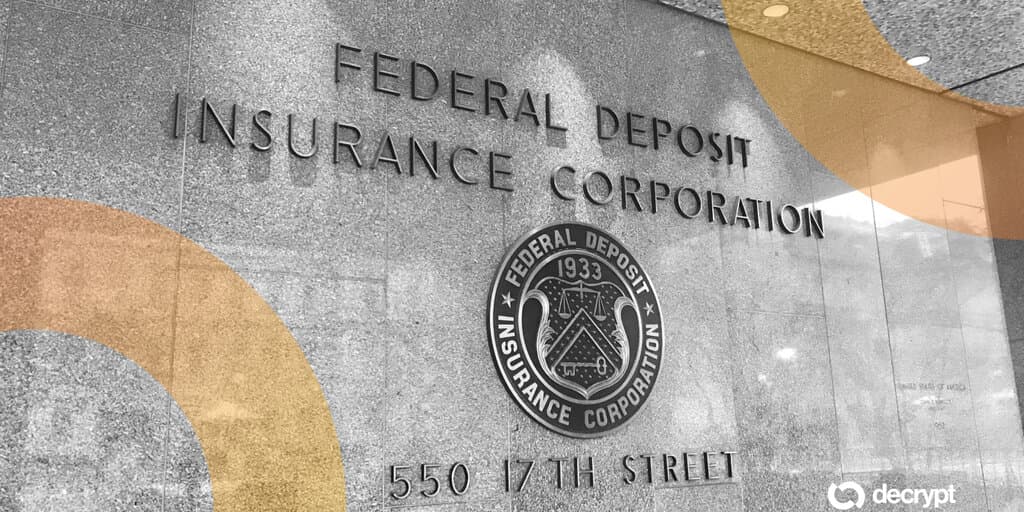
The Federal Deposit Insurance Corporation (FDIC) revealed proposed rules Monday that would implement stablecoin regulations under the GENIUS Act—which President Donald Trump signed into law last summer—establishing requirements for FDIC-supervised payment stablecoin issuers and banks engaging in stablecoin activities.
The proposal creates a prudential framework including standards for reserve assets, redemption processes, capital requirements, and risk management for supervised stablecoin issuers.
A key provision explicitly excludes stablecoins from deposit insurance protections. Deposits held as reserves backing payment stablecoins would not be insured to token holders on a pass-through basis, confirming that stablecoins won't receive the same protections as traditional bank accounts.
The proposal also mandates that issuers redeem tokens within two business days, and prohibits them from claiming their tokens generate interest or yield, including through third-party arrangements. The rule clarifies that tokenized deposits meeting the statutory definition of "deposit" would receive identical treatment under the Federal Deposit Insurance Act as any other deposit type.
The FDIC's action implements the GENIUS Act, which allows payment stablecoin issuers with less than $10 billion in outstanding tokens to choose state-level regulation if their state meets federal standards. The Treasury Department is simultaneously developing principles for evaluating state regulatory regimes, with its comment period running through June 2, 2026.
The FDIC seeks feedback on 144 specific questions in its proposal, with the 60-day comment period beginning upon Federal Register publication. The Office of the Comptroller of the Currency (OCC) issued its own framework in February.
Share this article





See every story in Crypto — including breaking news and analysis.