
Sports
Dolphins QB Malik Willis throws embarrassing first pitch at Marlins game: 'I slipped'
Dolphins QB Malik Willis embarrasses himself with first pitch at Marlins game
Yahoo Sports1 min read

Miami's athletic director role has evolved significantly over the decades, shifting from a focus on coaching candidates to navigating the complexities of the Name-Image-Likeness era. The new athletic director will need to adapt to these changes to maintain the program's competitive edge.
I sat in Miami athletic director Sam Jankovich’s office more than three decades ago when he opened a drawer, pulled out a list of five football coaches and said, “I’m always updating these candidates in case we need a new coach.”
That’s not Miami’s idea of an athletic director today.
I sat in Hurricanes athletic director Paul Dee’s office two decades ago when he discussed his vision for the football and basketball programs right down to the type of young, rising coaches that would win and get paid elsewhere to fit into Miami’s budget.
UM’s next athletic director won’t talk like that.
The Hurricanes were at the front of the Name-Image-Likeness age in recent years, activating the new rules in a way that took their football program to the top again.
Now they’re reorganizing the role of an athletic director in a manner that fits their new-way thinking. Dan Radakovich is leaving the athletic director’s office after five years of steadfast integrity.
But the athletic director as you think of him isn’t going anywhere. School president Joe Echevarria is the one who changed the sports idea at Miami. He brought a new vision. He expanded Miami’s budget and thinking.
“Spending as much as any school out there on sports,” a Miami source said.
Ohio State? Texas?
“Any of them.”
Five years ago, then school-president Julio Frenk commissioned Echevarria, the CEO of the UHealth, and his chief of staff, Rudy Fernandez, to rethink the sports department. Frenk had nothing to do with sports. He was the classic, academic president.
Echevarria did more than pump money into programs that were underfunded for decades. Randy Shannon was the second-lowest paid football coach in the ACC. Al Golden talked of having the worst facilities in the conference.
Echevarria brought new money to change that. Echevarria, Fernandez and a small group of insiders then made the big decisions in a way the classic athletic director once did.
The Mas brothers, Jorge and Jose, are in that group. Manny Kadre, the Miami auto magnate and chair of the board of trustees, is on the inside, too.
They hired Mario Cristobal away from Oregon more than four years ago, the new coach flying back on Jose Mas’ plane.
Radakovich was hired just after Cristobal. But no matter. They didn’t need an athletic director for that. They also hired Jai Lucas as basketball coach a year ago. Again, Radakovich was along for the ride on that.
See, you have to strike traditional ways from the Miami’s thinking. Echevarria is the rare president who walks amid stretching players before games, has accompanied players to the NFL draft and fills his game suite with not just UM but national celebrities. Bill Belichick and actor Matthew McConaughey were among those watching the national championship game with him.
So, what does Miami want in an athletic director?
A budget follower. A NIL overseer. It wants to develop the business side with sponsorships, which is why Michael Yormark, the Roc Nation Sports CEO and former Florida Panthers president has been mentioned.
There’s also the overarching question of Miami’s future in the ACC to explore. Florida State and Clemson settled their lawsuit against the conference a year ago about possibly leaving.
Part of that was negotiating the exit fee for any team to drop from $120 million to $75 million in the next few years. That’s roughly what Texas and Oklahoma paid to join the SEC.
“I think it’s very likely the ACC loses a couple of schools,” ESPN college insider Paul Finebaum said at the time of the settlement.
The ACC was good for Miami this past year. Its football team had a lesser schedule than the Big Ten or SEC. Miami also got to keep all its postseason money, roughly $30 million, rather than split it up among conference members. Cha-ching.
But one year rarely looks like the next in college sports. What will these conferences look like three years from now? What will be Miami’s best situation in that world?
That’ll be Echevarria’s decision. But he needs a partner to sift through the details. That’s part of what Miami needs — a business assistant. That’s what the athletic director’s role is in this new world.
Not a big boss hiring coaches.
Not a big personality pushing a vision.
Those days have passed like those visits to Jankovich’s and Dee’s office. Welcome to the new world.
The new athletic director at Miami will focus on adapting to the Name-Image-Likeness era and maintaining the competitiveness of the athletic programs.
The role has shifted from managing coaching candidates to addressing the complexities of modern athletic regulations and financial considerations.
Name-Image-Likeness has allowed Miami to enhance its football program, positioning it at the forefront of this new era in college athletics.
Previous athletic directors like Sam Jankovich and Paul Dee shaped the programs by focusing on coaching talent and budget management, respectively.
Dolphins QB Malik Willis embarrasses himself with first pitch at Marlins game
Union Berlin's head coach Marie-Louise Eta celebrated her first Bundesliga point after a 2-2 draw against Köln, marking a comeback from a 0-2 deficit. The result ends a three-game losing streak for the team.
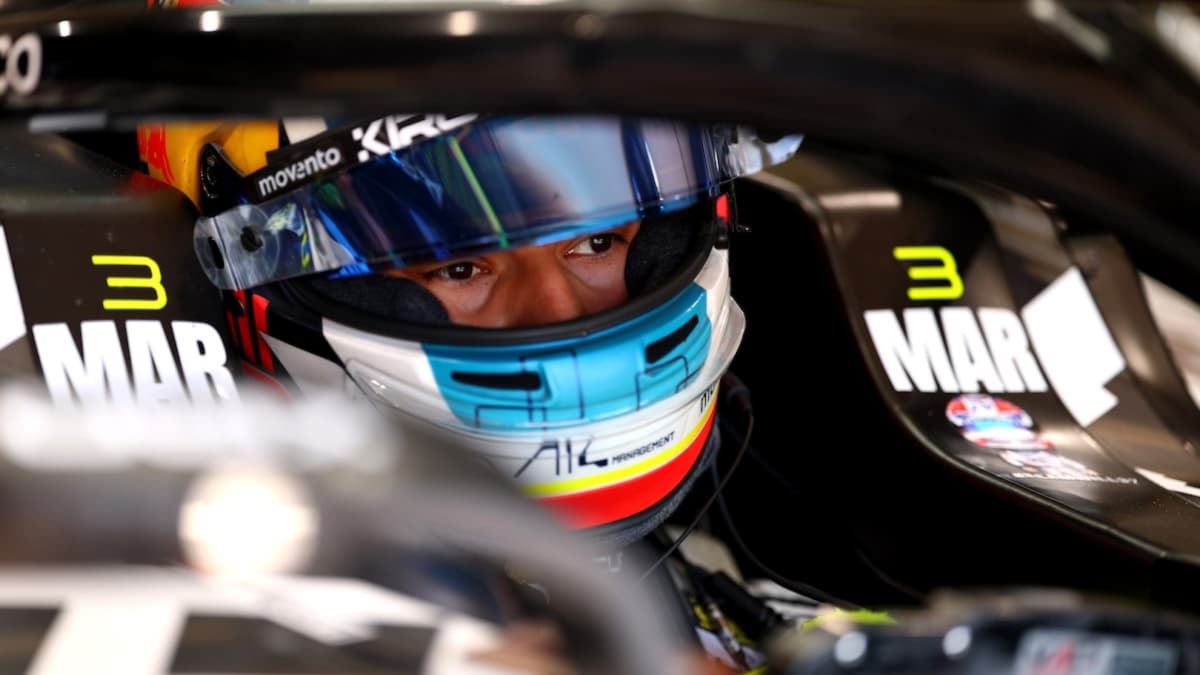
Pepe Martí: 'Estar en los puntos empieza a ser común... pero siempre quieres más'
Arsenal leads the Premier League, but tactical changes are needed for title success.
Jack Miller advises Quartararo to remain committed to Yamaha's V4 project despite frustrations.
Bruno Fernandes reveals how he’d change the assist system as he nears Premier League history.
See every story in Sports — including breaking news and analysis.