News
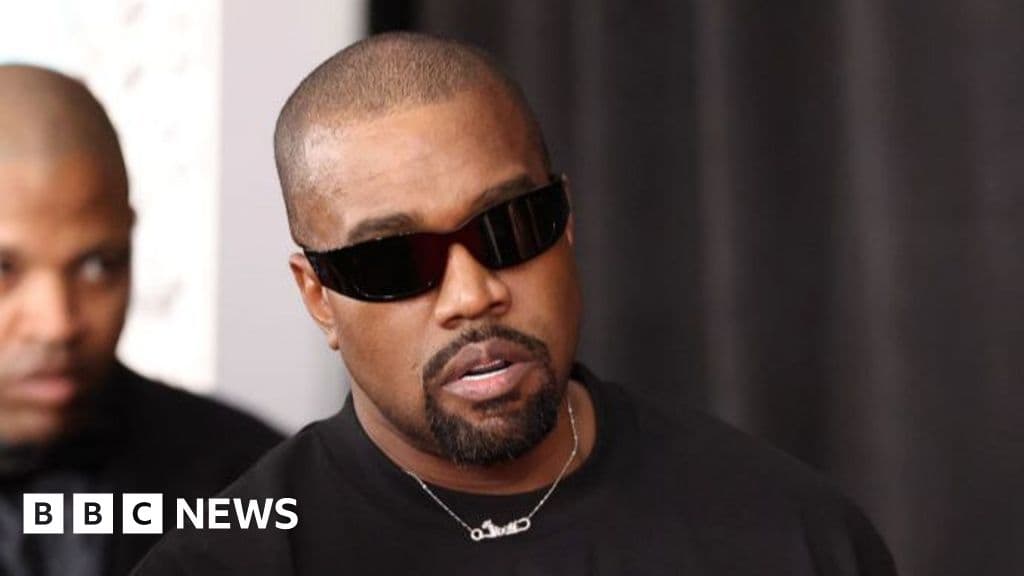
Keir Starmer 'concerned' over Kanye West UK festival dates
BBC News
If you're learning to drive, you'll know the cost of lessons has shot up and it can feel like it takes forever trying to get a practical test booked. But could it now get worse?
Since the start of the Iran war, prices at the pumps have jumped, and bodies that represent driving instructors have warned that further disruption could push up lesson prices further and make it even harder to get a test.
BBC Newsbeat checked in with instructors, learners and officials to find out what could happen for new drivers.
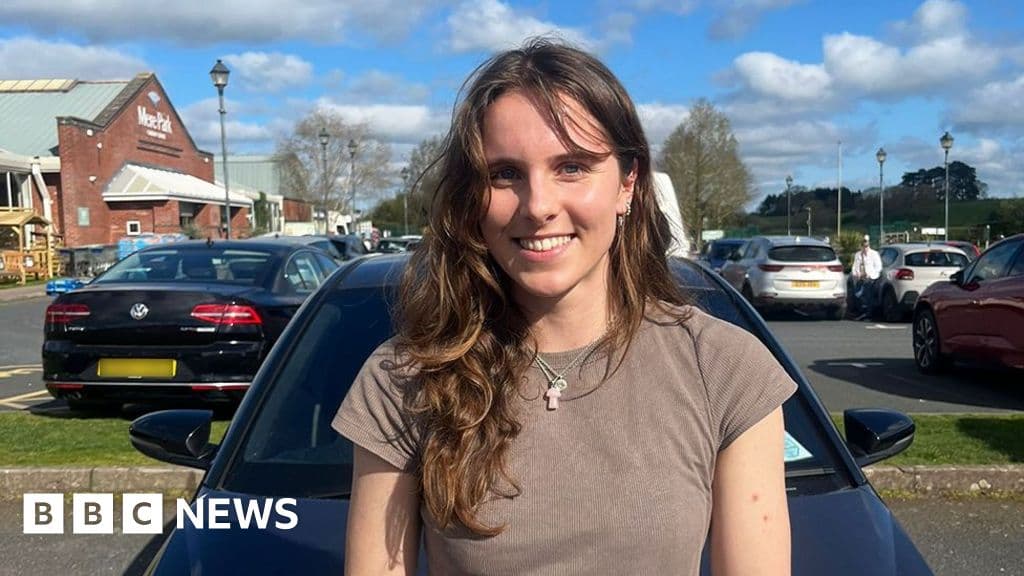
Rachael Hutson-Lumb has been a driving instructor for four years.
She told Newsbeat she's been "keeping an eye" on fuel prices, and has had to raise lesson prices by 50p to £37.50 per hour.
"My prices are going up a bit, not a lot, because I appreciate lessons are already not cheap for learners.
"I don't want to put prices up but at the end of the day, if it's a cost that's increasing, it's going to have to be reflected.
"Changes are going to have to be made just because that's my income stream," she says.
According to motoring group the RAC, UK petrol and diesel prices jumped more than in any previous single month, largely due to the war, although the government has said fuel supplies are "resilient".
The Driving Instructors Association (DIA), the UK's largest group representing the profession, says passing costs on to learners "will be a consideration for trainers".
Rachael, 26, says "most" of her learners are fine, for the moment, with the price.
"They were coming to me and asking me: 'Oh, fuel's really expensive, are the prices going to go up?' They're so aware of it," she says.
"And they also understand that when they go on to pass, it's going to be something that's going to impact them as well."
Catherine Thoyts has been learning to drive since November and says any price rises would make affording lessons more challenging.
The 26-year-old from Bristol works in a care home and a chunk of her income goes on driving lessons, with her instructor charging students £80 for a two-hour lesson.
"Higher prices would definitely make it harder for me, because as a carer, I only make so much a month. It's not a huge amount," she says.
While her own instructor hasn't yet increased prices due to rising fuel costs, Catherine feels with "a lot of young people, there is a jobs crisis", and with prices already high, "that's a lot to afford for most people".
With a test booked for July and hoping to pass first time, she adds higher fuel prices wouldn't put her off buying a car, but would impact how she uses it.
"I would use it for more essential travel than long journeys.
"I wouldn't drive to my friends in the north of England if it's going to cost a whole tank of petrol," she says.
Another worry that's been aired by the DIA and fellow professional organisation the Approved Driving Instructors National Joint Council (ADINJC) is fuel rationing.
Countries around the world have introduced measures to reduce fuel consumption, such as encouraging working from home or opting for public transport over driving, and urged people not to panic-buy fuel.
Slovenia, in the European Union, has introduced rationing - limiting the amount of fuel customers can purchase - because drivers were travelling from other countries due to its low prices.
However, only a handful of countries have introduced the measure.
The UK petrol industry says there is no supply shortage in the UK, and told Brits to continue to buy fuel as normal, when needed.
Both the DIA and ADINJC have written to the UK government urging it to give trainers and examiners "priority access to fuel" if rationing is implemented in Britain.
The UK government and Fuels Industry UK have described Britain's fuel supplies as "resilient", saying petrol stations are well stocked with petrol and diesel.
Instructor Rachael, who teaches in Shropshire, says if there were any plans to ration fuel, it would "be a massive problem", and not only for her business.
"I think it's impacting everyone," she says.
"If we can't get fuel, no one's going to be able to work and that's going to be a problem."
BBC Newsbeat has asked authorities in Scotland, Wales and Northern Ireland for comment.
A spokesperson for Transport Scotland said "the availability of driving tests is a reserved matter for the UK Government and is the responsibility of the DVSA".
"We are in touch with our counterparts in DVSA on a regular basis to understand and to press on what more can be done to alleviate the long wait times for driving tests that too many across Scotland are experiencing."
Additional reporting by Srosh Khan
Listen to Newsbeat live at 12:45 and 17:45 weekdays - or listen back here.
Share this article



See every story in News — including breaking news and analysis.