
Sports
Mood turns on Slot as Doku shines - but are Man Utd ready for European demands?
Liverpool fans express discontent as Chelsea takes control at Anfield
Sky Sports1 min read
Iran has confirmed its participation in the upcoming World Cup but is demanding guarantees from FIFA and the hosts regarding its concerns. The Iranian Football Federation insists that its beliefs and culture must be respected during the tournament.
Mentioned in this story
[AFP via Getty Images]
Iran has indicated it will take part in this summer's football World Cup, but has demanded a series of guarantees from Fifa and the tournament's hosts amid growing tensions surrounding the team's participation.
The Iranian Football Federation (FFIRI) said Iran would compete at the tournament "without any retreat from our beliefs, culture and convictions", while insisting the hosts "must take our concerns into account".
The demands come after FFIRI president Mehdi Taj was denied entry to Canada before last month's Fifa Congress.
Taj later revealed Iran had presented Fifa with 10 conditions for participation at the World Cup, which begins on 11 June in the United States, Mexico and Canada.
Among the demands published in a statement on Saturday are guarantees that all players, coaches and officials travelling with the team will receive visas, including those who completed military service with Iran's Islamic Revolutionary Guard Corps (IRGC).
The group is listed as a terrorist organisation in Canada and the US, and Mehdi Taj's links to it were cited as a reason he was denied entry into Canada.
Iran is also seeking assurances over the treatment of the national team, including respect for the Iranian flag and national anthem, as well as enhanced security at airports, hotels and stadiums during the tournament.
Some of the requests are likely to prove easier for Fifa to influence than others.
Fifa can help oversee tournament logistics, official protocols and the treatment of participating delegations during the competition itself.
But questions involving visas, border controls and security vetting ultimately remain under US jurisdiction rather than Fifa regulations.
US Secretary of State Marco Rubio has already stated that Iranian footballers would be welcome at the tournament, while warning that individuals with links to the IRGC could still face restrictions on entering the United States.
Iran is demanding that FIFA and the tournament hosts address its concerns regarding beliefs, culture, and convictions.
FFIRI president Mehdi Taj was denied entry to Canada prior to last month's FIFA Congress, which has contributed to Iran's demands for guarantees.
Iran's Football Federation stated that the team will compete without compromising its beliefs, culture, and convictions.
Iran's demands may complicate the organization of the World Cup and challenge FIFA's ability to accommodate diverse cultural concerns.
Liverpool fans express discontent as Chelsea takes control at Anfield
Donovan Ferreira opens up about his IPL journey and performance in 2026.
4-star WR Julian Caldwell chooses Texas Tech over Oregon and Texas

Giants' Harbaugh on Beckham reunion talks: 'It's got to be right for both parties'
Celtic's ban on Rangers' Union Bears sparks outrage among fans.
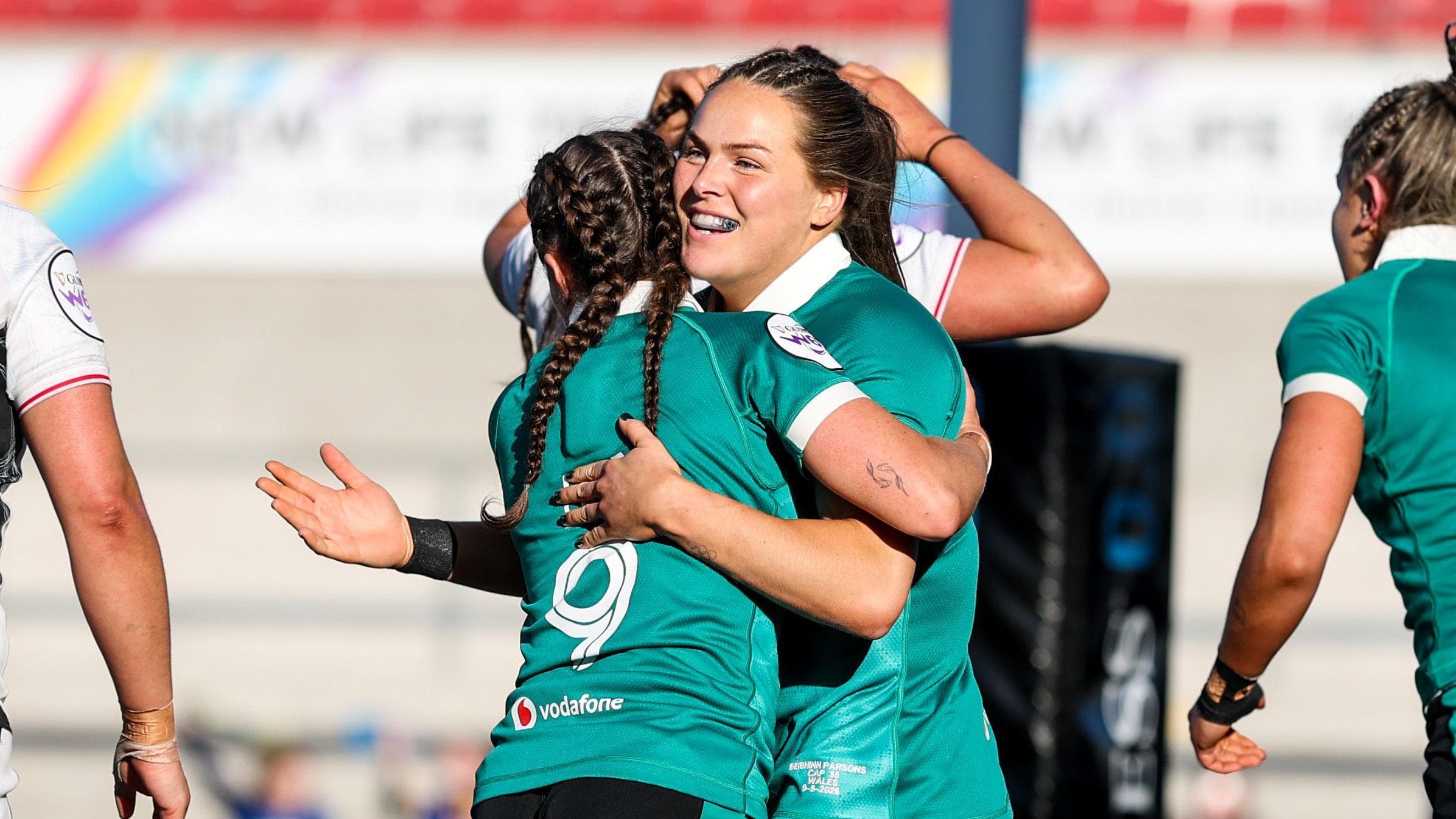
Ireland secures a hard-fought 33-12 win over Wales in Women's Six Nations!
See every story in Sports — including breaking news and analysis.
That leaves Fifa facing a delicate balancing act between ensuring the participation of all qualified teams and navigating the political realities surrounding relations between Tehran and Washington.
Israel and the US launched wide-ranging strikes on Iran on 28 February. Iran responded by launching attacks on Israel and US-allied states in the Gulf. Fighting has since been largely suspended under a fragile ceasefire.
Some of the Iranian federation's other requests may also prove difficult to enforce in practice.
Iranian officials have reportedly asked for journalists to avoid questions beyond "technical football matters".
But in Iran's case, the boundary between football and politics is often blurred.
Questions around squad selection, public support for the national team or the atmosphere surrounding matches can carry both sporting and political dimensions simultaneously.
This was on display at the women's Asian Cup in Australia in March when a number of Iranian players tried to claim asylum, sparking a tense diplomatic stand-off. Seven members of the team were granted humanitarian visas while in Australia - but five changed their minds and returned home.
Iranian men's coach Amir Ghalenoei recently acknowledged that politically charged atmospheres could surround some matches involving Iran at the World Cup.
Despite the tensions, there is currently no indication that Iran intends to withdraw from the tournament.
Instead, the latest developments point towards increasingly complex negotiations between Fifa, Tehran and US authorities over the conditions surrounding Iran's participation at the largest World Cup in history.