NBA
Mavs' Masai Ujiri reveals whether he would've traded Luka Doncic
Masai Ujiri discusses the Luka Doncic trade at press conference
Yahoo Sports1 min read
The NCAA has responded to a motion from plaintiffs regarding the House Settlement, arguing that disputes over NIL deals should be resolved by third-party arbitrators. This follows a conflict involving the College Sports Commission and University of Nebraska football players over NIL agreements.
Filing its formal response in U.S. Northern District Court of California to the April 20 motion from plaintiffs in the latest chapter of the House Settlement, the NCAA on Monday, May 4, outlined in its response why it believes disputes over approval of name, image and likeness deals by the College Sports Commission (CSC) should be handled by third-party arbitrators and not in the courts.
The latest salvo in the House settlement is in response from the filing last month from plaintiffs attorneys Steve Berman and Jeffrey Kessler that comes on the heels of a dispute between the CSC and 18 University of Nebraska football players, that seeks to declare NIL deals between student-athletes and institutions’ multi-media rightsholders (MMRs) separate from the monies those institutions distribute per terms of the House Settlement’s “revenue-sharing” agreement.
“Class Counsel’s motion seeks to rewrite the (House) Settlement, not enforce it,” attorneys for the defendant NCAA said in their Monday filing. “The question of how to regulate NIL transactions is at the heart of the Settlement Agreement in this case.
“The parties agreed that it would be a positive development for student-athletes if, as Class Counsel put it, ‘true third-party NIL’ were permitted for the length of the injunctive relief term.
“But the parties also agreed that it would undermine the transformative Benefits Pool structure established by the Settlement, and the competitive balance it sought to create if student-athletes could receive payments by the affiliated parties that are characterized as NIL but, in reality, are just pay-for-play compensation from a third party.”
The NCAA also included in its formal response filed late Monday a strongly worded declaration of support for the defendants from Bryan Seeley, the CSC’s chief executive officer. The document from Seeley also suggested that schools have “manufactured NIL deals” as a method of both recruiting and retaining student-athletes.
USA TODAY Sports obtained the NCAA's filing and Seeley’s declaration.
“While Class Counsel’s letter implies that MMRs are incapable of acting as Associated Entities, my team’s experience suggests otherwise,” per Seeley’s declaration. “The CSC has received information to the effect of, or is aware that:
“a. In partnership with institutions, MMRs have institution-specific entities that generate and source NIL deals for student-athletes at that specific school, as part of the recruitment and retention of student-athletes.
The House Settlement is an agreement related to revenue-sharing among college sports institutions, particularly concerning name, image, and likeness (NIL) deals.
The NCAA believes that handling disputes through third-party arbitrators is more appropriate than court proceedings, as it aligns with the terms of the House Settlement.
The conflict involves 18 University of Nebraska football players seeking to separate NIL deals from the revenue-sharing agreements outlined in the House Settlement.
The attorneys involved are Steve Berman and Jeffrey Kessler, representing the plaintiffs in the case.
Masai Ujiri discusses the Luka Doncic trade at press conference
The Vikings have made a surprise entry in Super Bowl LXI predictions, drawing parallels to last year's Seahawks.
Tim Bradley shares insights on the upcoming Zayas vs Ennis title fight
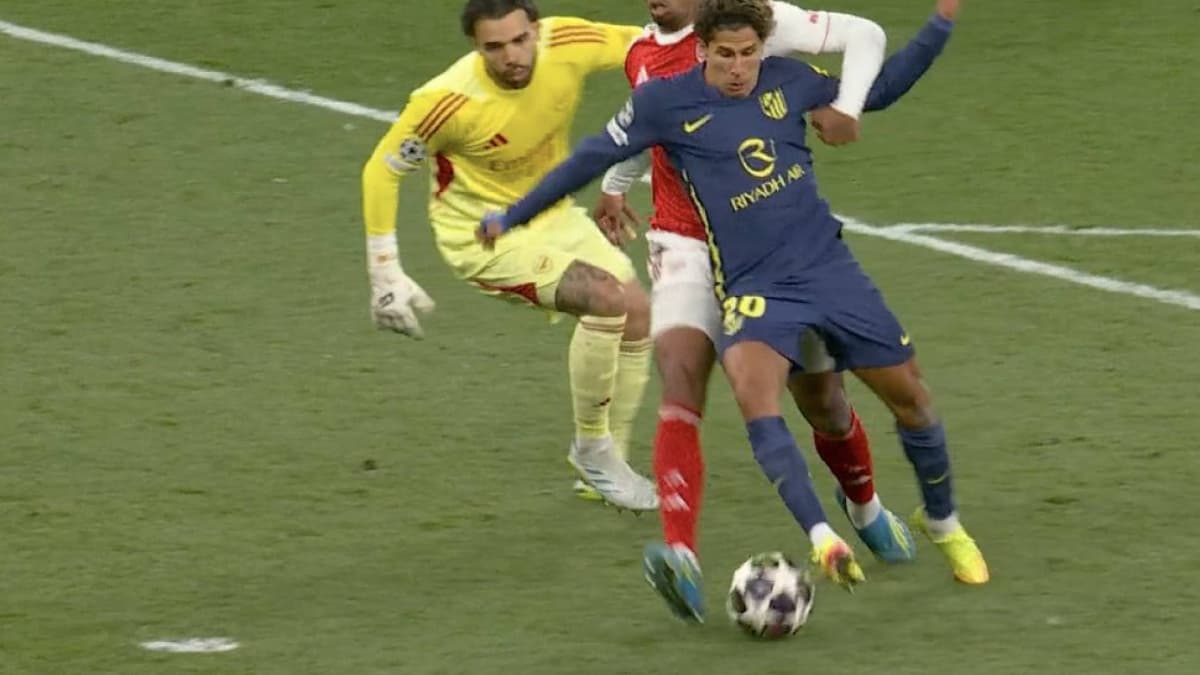
Burrull opina que el forcejeo con Giuliano no es penalti
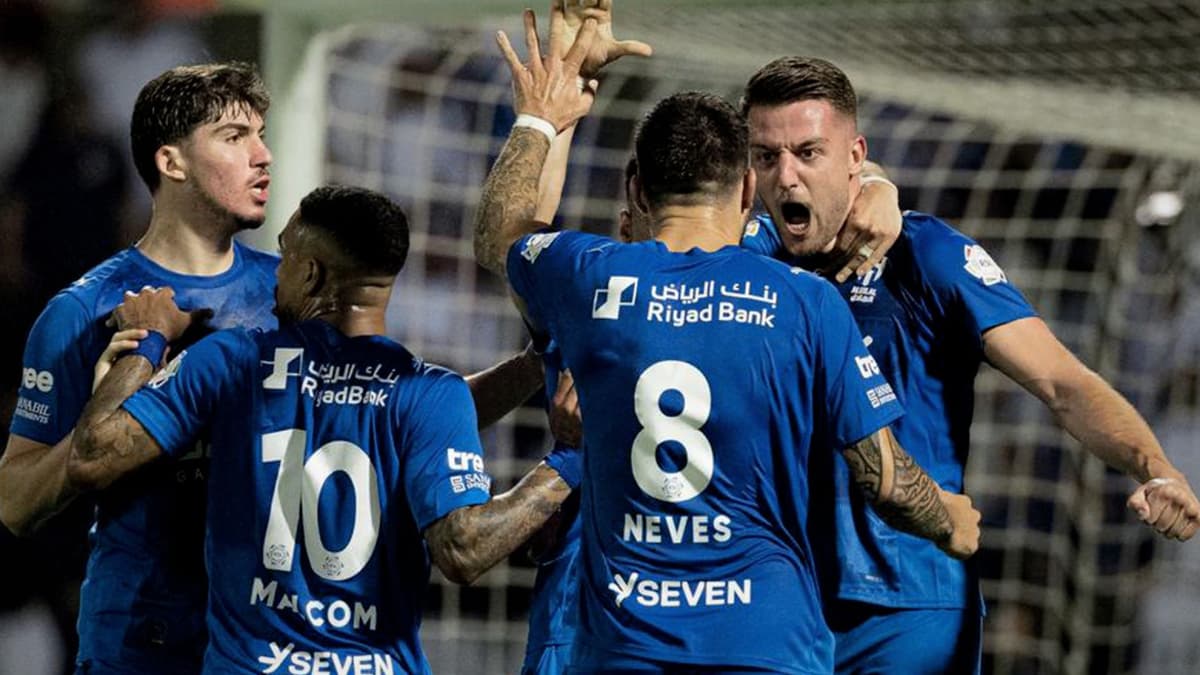
Al Hilal logra una victoria clave ante Al Khaleej y se acerca a Al Nassr en la liga.

Mayweather-Pacquiao rematch off for Sept. 19 as Eagles concerts take over the Sphere
See every story in Sports — including breaking news and analysis.
“b. MMR employees are embedded in athletic department offices on campuses to assist with student-athlete NIL generation, taking direction from the athletic department staff on which recruit recruits to provide NIL deals to, and in what amounts.”
The matter has been assigned in Judge Claudia Wilken’s U.S. District Court of Northern California to magistrate judge Nathanael M. Cousins and scheduled to be addressed in the court May 27, 2026, at 11 a.m. PT.
The CSC’s position in its response is not that MMRs should be entirely denied the opportunity to have NIL agreements with student-athletes but rather that a third-party arbitrator – the CSC uses NIL Go, an “online portal built with assistance from Deloitte” – should review each proposed deal on an individual basis and determine the merits of those proposals accordingly.
The plaintiffs’ filing seeks to declare that “NIL agreements involving Multimedia Rights companies are not subject to review by the Collegiate Sports Commission.”
This component in the ongoing layers to the settlement emanates, in part, from the Nebraska football players having proposed NIL deals worth more than $1 million with that school’s MMR, PlayFly rejected.
The Nebraska athletes retained the legal services of Husch-Blackwell and have sought to have the matter settled via arbitration after the CSC’s initial rejection of the NIL deals.
But the CSC pushed back last month and again this week, declaring that schools are seeking to use NIL deals via their MMRs as a method to “divert money into NIL pools.”
Per Seeley’s declaration, “Institutions have made arrangements with institution-affiliated third parties (including but not limited to MMRs and apparel companies) to divert money into ‘NIL pools,’ wherein the third party reallocates corporate sponsorship dollars, which otherwise would be paid to schools, to specified student-athletes through manufactured NIL deals – all as part of the recruitment and retention of student-athletes.”
The CSC has shared further data which it has maintained illustrates NIL Go’s clearance of most NIL proposals – 21,025 approvals against 711 rejections through February 2026 – in a timely manner. Per the CSC, “70% of deals were resolved” within one week and “50% deals were resolved within 24 hours.”
Per the CSC, proposed deals that took longer oftentimes lacked all of the documentation required to formally ratify an NIL arrangement.
When the CSC first released that data in late March, it also included a signed letter from Seeley as well as representatives from the Power Four conferences – ACC, Big Ten, Big 12 and SEC.
The House Class Counsel has contended with its filing that the CSC has illustrated “overreach” and a “narrow” definition of “associated entities” (such as MMRs) to reject these proposals and establish precedent against future proposals.
This article originally appeared on USA TODAY: NCAA reacts to Nebraska NIL dispute: A 'rewrite' of House Settlement