Sports
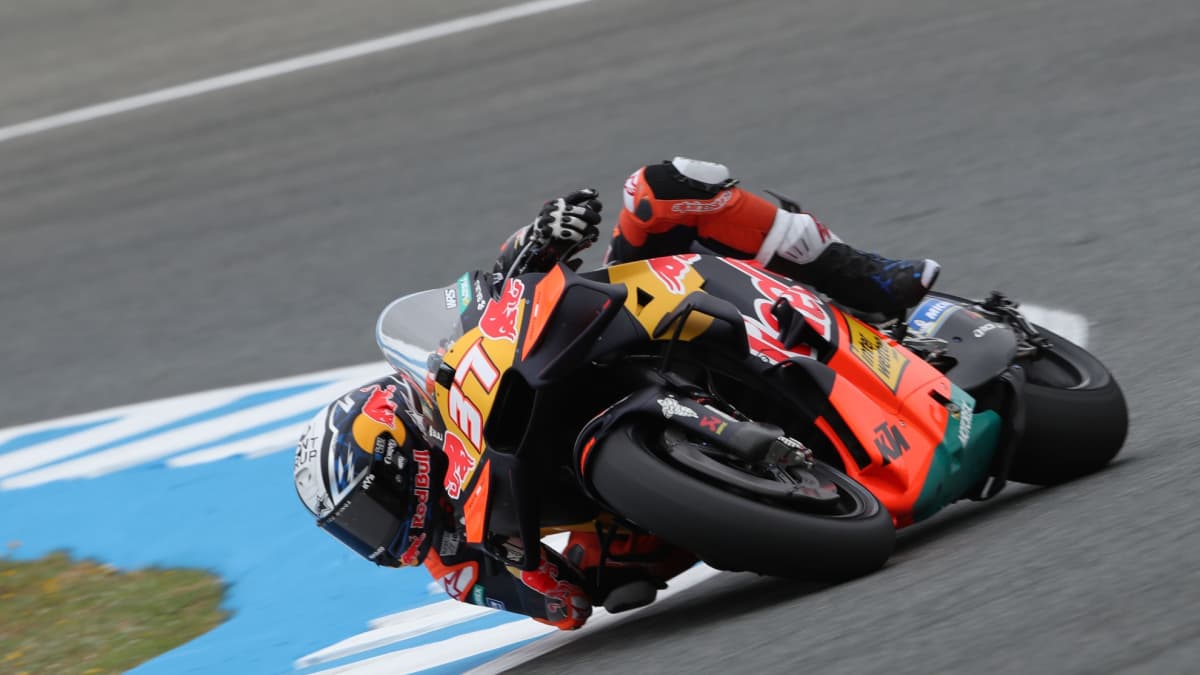
Acosta avisa: "La KTM va espectacular en la lluvia"
Marca

The Rugby Football League is considering whether to expand the Super League to 15 teams by adding London Broncos. This decision could impact teams like York and Toulouse, which have shown strong performances this season.
Mentioned in this story
With the Rugby Football League’s next round of talks with the NRL due on 15 May, the decision whether Super League will remain at 14 clubs or expand again to add London Broncos is imminent. The club could squeeze into a 14-team league via the IMG gradings but that would send any club ranked beneath them down to the Championship, potentially putting newly promoted York or Toulouse in grave and unnecessary danger. That would be foolish given the unique markets those clubs represent.
The three teams promoted to the expanded Super League this season have defied expectations. They have won three games each, beating champions Hull KR, Hull FC, Catalans and Wakefield along the way. They also gave Wigan, Leigh and St Helens major scares. And none of them occupy the bottom two places after 10 rounds of games.
As well as making highly respectable starts, the newcomers bring something different. Investors, be that the NRL or others, want variety and desirable destinations in the league, so all three should stay. Bradford Bulls are based in the sport’s heartlands, have five-figure attendances at an improving Odsal Stadium and are a brand that is recognised beyond the sport. Toulouse Olympique double the European dimension that has finally helped secure a French TV deal and the city, like London, is a massive market for new investors to exploit.
Having a handful of small clubs in the league appeals to the NRL, as long as they bring something special to the party – and have the potential and financial strength to transform themselves, as Leigh, Hull KR and Wakefield have. Castleford are suffering, but they are backed by hardcore support from a committed community and they have a determined new owner who is spending millions. Huddersfield have heritage and a spectacular stadium (even if it brings in such small attendances that the Giants want to leave town).
York offers a different dynamic. The city is booming, with its 10 million visitors each year bringing in £2bn in tourism. Despite being run on a skeleton staff, the Knights are engaging with the city’s corporate heavyweights. Hospitality suites line the back of the main stand: KPMG sponsored the match against Toulouse, and their shirts are sponsored by Land Rover, a distillery and a university. The economic potential of the club is considerable given the city’s comparatively wealthy population. No wonder the RFU wants a Prem team in North Yorkshire. The city famous for its churches, architecture, pubs and chocolate is now seen on Sky Sports for rugby league too.
The Rugby Football League is set to discuss the potential expansion of the Super League to include London Broncos on May 15.
Adding London Broncos could force a team ranked lower to drop to the Championship, potentially endangering newly promoted clubs like York or Toulouse.
The three newly promoted teams have each won three games and have performed well against established teams, showing they can compete effectively.
York attracts 10 million visitors annually, generating £2 billion in tourism, which makes it an appealing location for Super League investment.
Legendary Sevilla director Monchi nearing a return to La Liga with Espanyol.
Andoni Iraola set to join Crystal Palace, leaving United and Chelsea behind.
Top FPL Player Picks for Double Gameweek 36
Allyson Felix is making a comeback for the LA28 Olympics at age 42!
See every story in Sports — including breaking news and analysis.
Of course, turning local wealth into sporting success is a challenge. As the football clubs in Cambridge and Oxford can attest, playing a working-class sport in a world-famous tourist city is not easy. Few of York’s visitors are in the city for rugby league but, late on a Friday night, the pubs along the winding medieval streets are dotted with fans. When I went, the hotel breakfast room was dotted with red and green Leigh shirts on Saturday morning. The Knights are bringing positivity – and a considerable amount of money – to the city.
Whether the NRL invests or not, the way Super League games look on TV and feel in grounds will be more important than whether a few thousand more fans buy tickets. Just as the city is unique, so is York’s stadium. The Knights share the ground with two successful clubs – York Valkyrie, the outstanding women’s rugby league team, and York City, who recently earned promotion back to the Football League – and it is surely the only rugby league ground with a library in reception, a cinema in one corner and a Hotel Chocolat cafe outside.

York Knights players celebrate during their 38-14 win against Toulouse. Photograph: David Greaves/Focus Images Ltd/Shutterstock
With stands full and hospitality areas rammed, York’s home looks and feels good – and the sums should start to add up. The stadium is a bus ride from the city centre, but York’s community clubs are nearby. The Leigh winger AJ Towse came through down the road at Heworth and could have walked home after he made his Super League debut for Leigh at York last month.
The Knights’ immediate challenge is to build their fanbase. The sport is deep-rooted in the city, but not widespread. The clubs first – and arguably last – golden period was nearly a century ago. They sold their city-centre ground before Super League began and folded soon after. The reborn Knights are a work in progress.
This time last year they began a run of 20 successive wins before being squeezed out of the Grand Final, losing 10-8 at home to Toulouse. A month later both finalists were handed places in the enlarged Super League, but only if they agreed to half the funding, in effect buying a £650,000 expansion franchise with no guaranteed lifespan. Both clubs are tiny compared with Super League’s giants – they are ranked 14th and 15th in social media – but building a profile takes time.
Toulouse, who are hamstrung by having to pay for their opponents’ travel costs, stuck with their Championship-winning side whereas York chose to bring in a swathe of players of varying degrees of experience and pedigree, lodging many of them with sister club Newcastle Thunder in the Championship. The squads train together at York St John’s impressive facilities before dividing on match days, giving administrators a brain-mushing task to comply with the RFL’s loan and salary cap regulations.
The team’s star fullback, David Nofoaluma, for example, is on loan from Newcastle. Their recruitment has been savvy: Xavier Va’a has been a huge hit, and Scott Galeano, Jack Martin and Jesse Dee have all adjusted seamlessly. Signing Wales hooker Denive Balmforth on loan from Hull has also been a masterstroke.
“We’ve got a lot of players stepping up, mixed in with a lot of players who have been there and done that,” said coach Mark Applegarth. “So we have to allow time for them to learn. We’re building from the ground up. We’ve got the ingredients – now we’ve just got to bake the cake.”
Having watched Derek Beaumont transform Leigh from Championship makeweights to Super League contenders, with their attendances and social media followers trebling along the way, York owner Clint Goodchild is not lacking inspiration. “You’ve got to dream and Clint’s got real grand visions for where he wants the club to go,” said Applegarth.
“We look at Leigh and Wakefield for those lessons. York is the No 1 city in the UK for tourism outside London. We’ve got a very noisy bunch of fans, who are very passionate about the city, and a proud heritage in rugby league. Who wouldn’t want to come and visit this iconic city and watch a game of rugby league? We’re bringing loads to the table.”
Follow No Helmets Required on Facebook