SoccerRecap
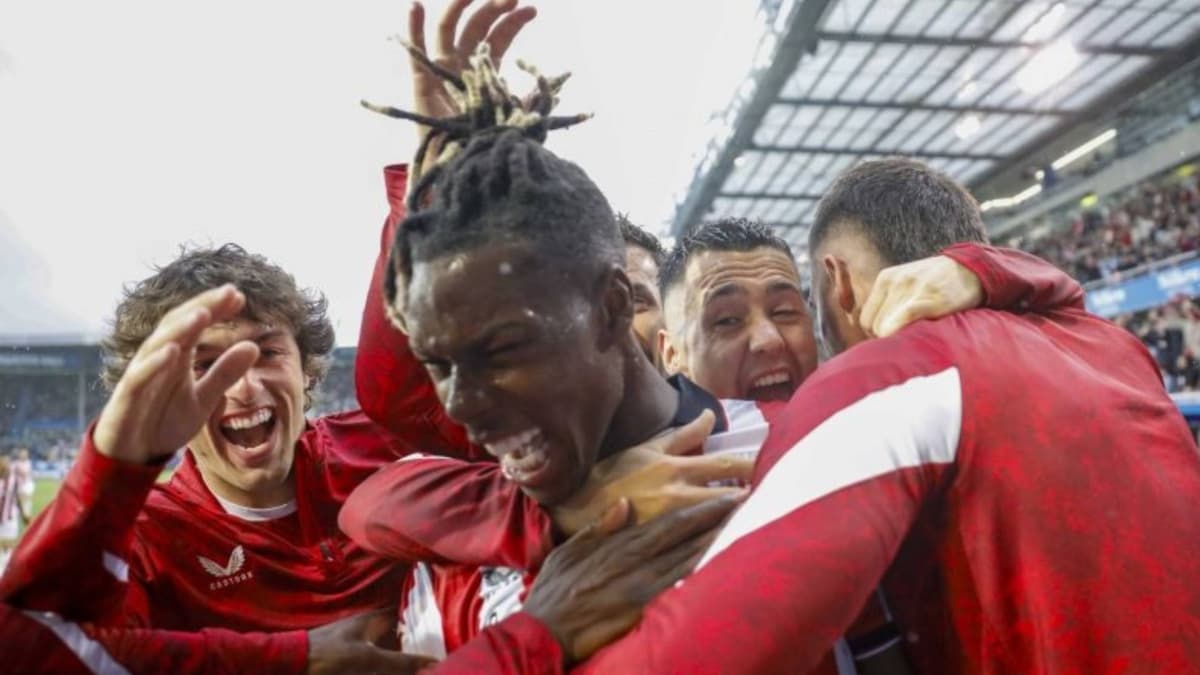
Nico provoca la tormenta en Mendizorroza
El Athletic de Bilbao logra una remontada espectacular contra el Alavés, ganando 2-4.
Marca1 min read
The NCAA's control over college athletics is diminishing as over 30 states enact their own Name, Image, and Likeness (NIL) laws. This has led to a fragmented economic landscape in college sports, complicating the regulatory environment.
It's no secret that college athletics has entered a new economic era, one that the NCAA no longer fully controls, and one that state governments are now forced to navigate in real time.
That was exactly the central talking point of a recent policy webinar, Chaos in College Sports: NIL and the Future of College Athletics, featuring representatives, a sports law attorney, and athletic administrators who dissected the legal and political evolution of Name, Image, and Likeness (NIL) rights. The discussion offered a blunt assessment of how NIL is just a trend anymore; it's an infrastructure of the new age of college sports.
For decades, the NCAA barred student-athletes from earning compensation beyond scholarships. That model began to fracture in 2019 when the state of California passed the first state NIL law, igniting a nationwide cascade of change. As of now, more than 30 states have enacted their own versions of NIL legislation. Unfortunately, the result has been anything but cohesive. If anything, it's created fragmentation.
That fragmentation, panelists warned, is now the core problem.
The collapse of the NCAA’s framework of amateur athletics didn’t just happen overnight, of course. It was an accumulation of mounting legal pressure, escalating revenues, and a shifting public perception of what was defined as "fair" in college sports.
Panelists traced the transformation back to one central tension: college athletics have become a billion-dollar enterprise while athletes remain restricted from sharing in its commercial upside. As one legal perspective in the discussion framed it, the NIL is fundamentally rooted in the “right of publicity,” or the ability of individuals to control and monetize their own identity. Once courts started treating college sports as a commercial market under antitrust scrutiny, the old model became increasingly difficult to maintain or even defend.
The result wasn’t simply NIL legislation; it was a much broader restructuring of compensation models across college athletics, including collectives, brand partnerships, and emerging revenue-sharing frameworks.
Across the panel, one theme was repeated with near unanimity: the public still misunderstands NIL. The most common misconception, according to multiple speakers on the panel, is that NIL equals pay-for-play, but that is not how it was designed. Instead, NIL was originally intended to compensate athletes for legitimate commercial activity, which included endorsements, sponsorship opportunities, social media promotions, and brand partnerships. But the ecosystem evolved quickly, and sadly, it spiraled out of control. Collectives emerged, booster-driven funding structures expanded, and revenue-sharing conversations entered the mainstream.
That thin line between market compensation and athletic incentive has become blurred in the college athletics landscape.
Other misconceptions highlighted by the panel included:
One of the most pressing policy challenges addressed by the panel is structural inconsistency. Each state has built its own NIL framework, which has created a patchwork system that differs when it comes to:
Some states prioritize the athlete's flexibility, while others aim to align more closely with the NCAA-style guardrails. The result, which frustrates many coaches and fanbases, is an uneven playing field that can influence recruiting, competitive balance, and compliance risk.
Federal intervention is frequently discussed, as many believe it's desperately needed, but panelists were skeptical. The consensus: Washington is aware of the issue, but gridlock, competing legislative priorities, and election-cycle politics make comprehensive NIL legislation unlikely in the near term. Even if federal action does emerge at some point, speakers noted that it would only reshape, not replace, the existing state-driven system.
If NIL was phase 1, then collectives and revenue-sharing models are phase 2. Collectives, which are defined as booster-funded entities that coordinate athlete compensation, have become the main players in the modern era of college athletics. And over time, many have professionalized into structured organizations working alongside universities, brands, and marketing partners.
At the same time, however, institutions are now negotiating revenue-sharing arrangements that formalize athlete compensation within the athletic departments themselves.
What is the result? A hybrid economy in college sports that includes:
It is no longer a system in transition; it's a system of overlap.
Representatives on the panel seem to be split on whether uniform NIL legislation across states is realistic or not. Some argued uniformity would improve fairness and reduce compliance chaos, while others said it runs directly against state competition. Especially when you consider recruiting-heavy sports like football and basketball.
The political reality is that states are not just regulating NIL, they are almost competing with it. In practice, NIL policy has become a tool of economic development and athletic competitiveness, not just sports governance.
Beyond the scope of NIL and economics, panelists raised growing concerns about the well-being of student-athletes. Three pressure points stood out:
One particularly stark concern was that those athletes with fewer NIL opportunities, those who do not make high-value deals, may be more exposed to exploitation or gambling-related targeting. The message across the panel was consistent. Modern college athletes are operating in a high-pressure ecosystem that has evolved faster than support systems can adapt.
Over the next decade, panelists expect the following:
The NIL didn't just change college athletics; it exposed the economic reality that was already there. The NCAA model of amateur sports didn't collapse from one single ruling or law. What it did was erode under the weight of commercialization, legal pressure, and market logic. And what replaces it is still being built. From state to state, institution to institution, and deal to deal, the rule-makers are no longer just governing sports; they’re managing a brand-new labor market that never existed before.\
The conversation is far from over. As NIL policy continues to evolve at both the state and federal levels, further discussion is expected to dig deeper into the long-term structure of college athletics. Follow along for continued coverage and analysis as this develops.
Contact/Follow @College_Wire on X and @College_Wires on Threads. Like our page on Facebook to follow ongoing coverage of college sports news, notes, and opinions.
This article originally appeared on College Sports Wire: NIL, college sports economics impacted by state legislation
State NIL laws have created a fragmented economic landscape, complicating the regulatory environment for college athletics.
The NIL era began in 2019 when California passed the first state NIL law, prompting other states to follow suit.
As of now, more than 30 states have enacted their own versions of NIL legislation.
The fragmentation of NIL laws poses challenges for compliance and consistency across different states, complicating the landscape for student-athletes and institutions.
El Athletic de Bilbao logra una remontada espectacular contra el Alavés, ganando 2-4.
MLB executive predicts Giants will trade $12M infielder Luis Arraez
Mets predicted to trade David Peterson for a $20M slugger with 3 Gold Gloves.
Kendal Daniels brings versatility to the Falcons' defense under Jeff Ulbrich.
Will Anderson Jr. assists LeBron James after he falls courtside during a game.
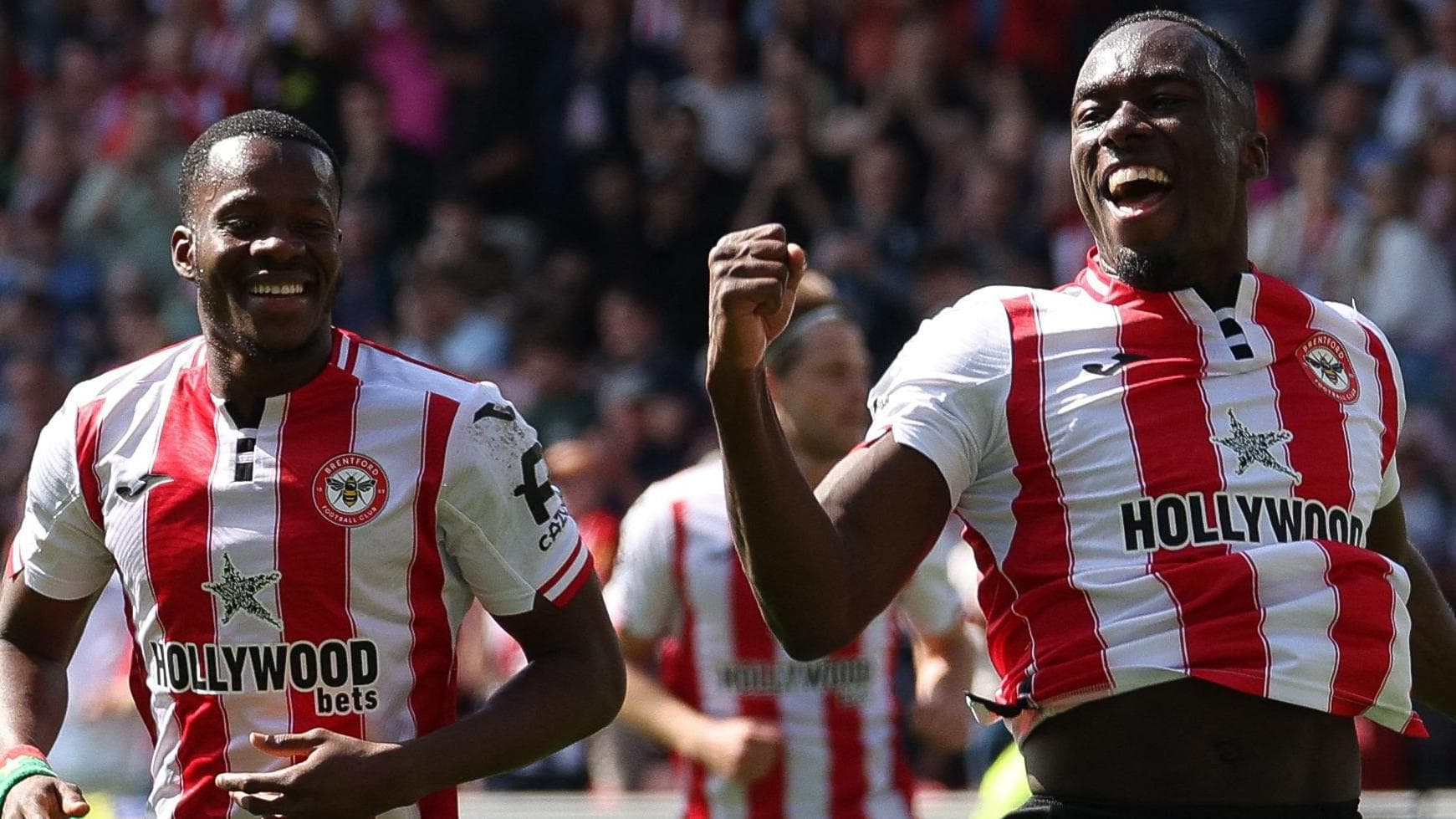
Brentford is sixth in the Premier League and eyeing Champions League qualification!
See every story in Sports — including breaking news and analysis.