
Sports
Transfer rumors, news: Arsenal eye summer move for Newcastle's Gordon
ESPN News
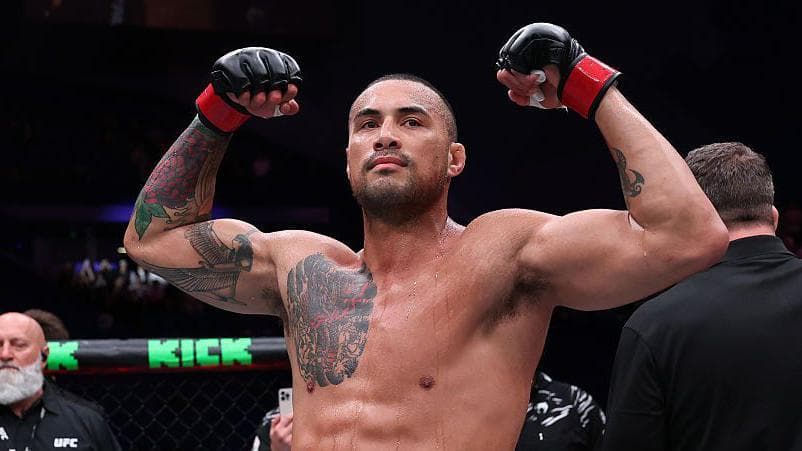
Carlos Ulberg, a 35-year-old UFC title challenger, credits his challenging upbringing as a foster child in New Zealand for shaping his resilience and determination. He moved between numerous foster homes from ages four to 13, experiencing both positive and negative environments that influenced his path to the UFC.
Carlos Ulberg has visualised winning a UFC title many times - and when he does, his mind goes back to his upbringing.
The 35-year-old has lived a diverse life, going from rugby league player to reality TV star to UFC title challenger, but before all that he was a foster child.
Ulberg moved between foster homes in New Zealand, living with dozens of different families, between the ages of about four and 13.
Ulberg says there were some "good homes" and some "not so good homes", while other times he would get "beaten up every day" by the other foster children - but the experience shaped him.
"That's what has created me into this space that I am now and it's a good thing. That's what's brought the best out of me," Ulberg tells BBC Sport.
"I grew out of that kind of feel-sorry-for-yourself mentality and started to just push forward, and that's what built a resilience in me."
At UFC 327 in Miami's Kaseya Centre on Saturday, Ulberg faces former champion Jiri Prochazka for the vacant light-heavyweight title after Alex Pereira dropped the belt to move up to heavyweight.
Ulberg, who is third in the UFC's light-heavyweight rankings, has earned the opportunity after winning his past nine fights.
Ulberg takes a moment to reflect on his journey from growing up in foster homes to challenging for a world title.
"The biggest draw for me is being able to go back in time and think 'wow man'. I've always been a world champion in different means of life, this is just a different way of approaching it," says Ulberg
"When I get that belt raised, it's gonna feel amazing because time will flash at that moment.
"When you're visualising it you just know you'll be thinking back to the times you had and the stresses - the physical stress, the emotional stress and everything that you'd gone through."
Ulberg describes himself as a "very physical person" who wanted to do "everything sports-wise" growing up.
Before fighting, Ulberg reached a semi-professional level playing rugby league, before transitioning to boxing and later MMA.
During the early stages of his fighting career, he supplemented his income by modelling and appeared on a reality TV dating show in New Zealand.
Ulberg credits his upbringing with helping him to be "open-minded" - a characteristic which has helped him travel an unconventional path towards the top of the UFC.
"The different families that you would see, and how they'd live their lives... you'd have some families who were well-off, and they had woken up and had a very good routine, and some just didn't have any routine at all," said Ulberg.
"I was really understanding at that age how different families would be, how loving some would be.
"I guess it just made me understand people. It just made me open-minded."
Now only Czech fighter Prochazka stands in the way of Ulberg completing his journey to the championship.
"I definitely always believed it. I always knew. The whole purpose for me being in the UFC was if I'm going to do anything I'm going to be the best at it," said Ulberg.
"At any sport, anything that I wanted to do was get to the very top of that mountain."
Share this article
Carlos Ulberg moved between numerous foster homes in New Zealand from ages four to 13, experiencing both supportive and abusive environments.
Carlos Ulberg transitioned from being a rugby league player to a reality TV star and ultimately became a UFC title challenger through his dedication and resilience.
Ulberg faced significant challenges, including being beaten by other foster children and living in both good and bad homes, which he believes shaped his character.
Carlos Ulberg is motivated by his past experiences in foster care, which he feels have created resilience and determination in his pursuit of a UFC title.
See every story in Sports — including breaking news and analysis.